Is Made In Cookware Non-Toxic? A Detailed Safety Review
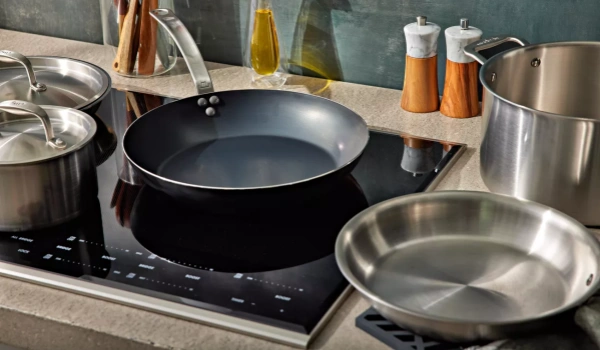
We break down their stainless steel, non-stick, and carbon steel lines so you can cook with confidence.
When preparing a meal for our families, the safety of our cookware is just as important as the freshness of our ingredients. Terms like Teflon, PFAS, and PFOA float around, often creating more confusion than clarity. You’ve seen Made In—the direct-to-consumer brand praised for its professional-quality gear—but the big question remains: Is it actually safe? Is Made In cookware non-toxic?
The short answer is a reassuring yes, Made In cookware is overwhelmingly considered non-toxic and safe for everyday cooking. But the complete story isn't a simple yes or no. The true measure of its safety lies in the specific material you choose—be it their celebrated Stainless Clad, their convenient Non-Stick, or their rustic Carbon Steel. This guide will walk you through each one, so you can make a truly informed decision for your kitchen.
Decoding "Non-Toxic" Cookware: What Are We Talking About?
Before we put Made In under the microscope, let's quickly define what "toxic" usually means in the kitchenware world. The concerns primarily revolve around a few key things:
- PFAS, PFOA, & PTFE: These are fluorine-based chemicals used to create non-stick surfaces. PFOA (Perfluorooctanoic acid) is an older chemical that has been linked to health issues and was phased out of production in the U.S. PTFE (Polytetrafluoroethylene) is the material that makes pans non-stick (Teflon is a brand name for PTFE) and is considered safe for cooking when not overheated.
- Heavy Metals: Lead and cadmium are toxins that can be found in low-quality ceramic glazes or coatings.
- Aluminum: While cooking in raw aluminum pans is debated, the aluminum used in high-quality clad cookware (like Made In's) is typically an inner core that never touches your food. Its job is to conduct heat, not to be a cooking surface.
With this foundation, let's see how Made In's product lines stack up.
A Material-by-Material Safety Breakdown
Made In offers several types of cookware, each with a unique profile. Here’s a detailed look at the safety of each one.
Is Made In Stainless Steel Cookware Non-Toxic?
Bottom Line: Yes, Made In's Stainless Clad cookware is completely non-toxic and one of the safest choices available.
Their signature product line is built with a 5-ply construction, meaning five layers of metal are bonded together. The crucial part is the surface that touches your food: it's made from 18/10 stainless steel. This designation means it contains 18% chromium and 10% nickel, making it highly resistant to rust, corrosion, and—most importantly—chemically inert. It won't react with acidic foods or leach metals into your meal.
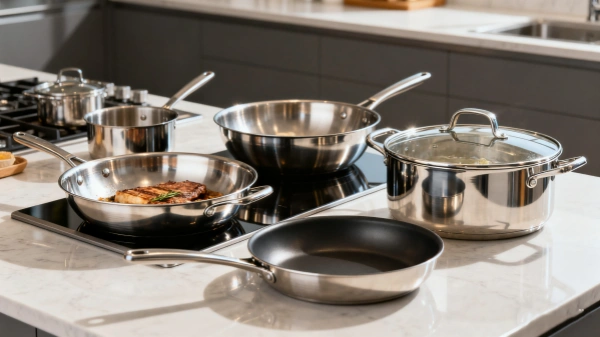
And what about the aluminum core? It's safely sandwiched between layers of stainless steel. Its purpose is purely for performance—to ensure fast, even heating—and it never makes contact with your food.
Deconstructing Made In's Non-Stick: Is It Safe?
Bottom Line: Yes, when used correctly, Made In's non-stick cookware is safe and free from the chemicals that caused past health concerns.
This is where most of the questions arise, and for good reason. Made In is transparent here: their non-stick coating is PTFE-based. However, and this is the critical point, it is made 100% free of PFOA. The health risks historically associated with non-stick pans were tied to PFOA, not the PTFE itself in normal conditions.
PTFE is stable and harmless at normal cooking temperatures. The only risk comes from significant overheating (above 500°F / 260°C), where the coating can begin to break down. To keep your pan safe and effective for years, simply follow these golden rules:
- Never heat an empty pan. Always have oil, butter, or food in the pan when you turn on the heat.
- Stick to low and medium heat. High heat is unnecessary for most non-stick cooking and can damage the coating.
- Use wood, silicone, or nylon utensils. Metal utensils can scratch the surface.
- Replace the pan if the coating is deeply scratched or flaking.
Carbon Steel: A Naturally Non-Toxic and Seasoned Surface
Bottom Line: Absolutely. Made In's Carbon Steel is one of the purest and safest materials you can cook on.
Composed of 99% iron and 1% carbon, this is the preferred pan of professional chefs for a reason. It contains no coatings, no chemicals, and no additives. Its non-stick properties come from a process called seasoning—baking thin layers of oil onto its surface to create a natural, slick patina. This surface is not only non-toxic but actually gets better with every use. It's a true workhorse that can last a lifetime, with zero worries about degrading coatings.
Enameled Cast Iron: Colorful, Classic, and Completely Safe
Bottom Line: Yes, this is an extremely safe and stable cooking material.
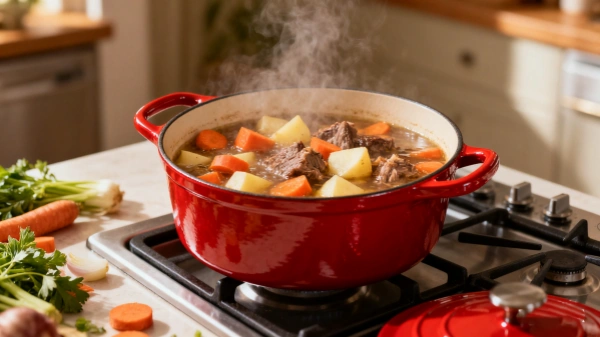
Made In's Enameled Cast Iron, like their Dutch Ovens, features a cast iron core completely sealed by a vitreous enamel coating. This coating is essentially a layer of fused glass. It's non-porous, non-reactive, and won't leach iron or anything else into your food. It provides the incredible heat retention of cast iron without the need for seasoning, making it a fantastic and worry-free option for soups, stews, and braises.
How Does Made In Compare to Other "Non-Toxic" Brands?
In the crowded market of non-toxic cookware, Made In holds a strong position. Unlike purely ceramic-coated pans (from brands like Caraway, Carote or Our Place), which can sometimes lose their non-stick properties over time, Made In's core offerings—Stainless and Carbon Steel—are designed for lifetime durability. Compared to other premium stainless steel brands like All-Clad, Made In offers similar multi-clad construction and safety standards, often at a more accessible price point.
The Verdict: Is Made In a Good Choice for a Non-Toxic Kitchen?
After reviewing each material, the conclusion is clear: Made In is an excellent choice for the health-conscious home cook. They prioritize high-quality, safe materials across their entire product range.
Your best choice simply depends on your cooking style:
- For Maximum Durability and Versatility: Go with their Stainless Clad. It's foolproof, non-toxic, and will last forever.
- For Effortless Eggs and Delicate Fish: The Non-Stick line is a safe, convenient option, provided you follow the usage guidelines.
- For Incredible Searing and a Pan That Evolves with You: Carbon Steel is an unbeatable, naturally non-toxic choice for the passionate cook.
- For Slow Cooking and Beautiful Presentation: The Enameled Cast Iron is a safe, stable, and beautiful addition to any kitchen.
Frequently Asked Questions
Where is Made In cookware made?
Made In partners with multi-generational manufacturers in the United States, France, and Italy. For example, their Stainless Clad and Non-Stick frying pans are made in the USA, while their Carbon Steel pans and Enameled Cast Iron are crafted in France. This transparency in sourcing is part of their commitment to quality.
Does Made In non-stick cookware contain Teflon?
The coating is made from PTFE, which is the same chemical compound as Teflon. However, "Teflon" is a brand name. Most importantly, Made In's coating is PFOA-free, which is the chemical that raised health concerns in older non-stick pans. They use a modern, high-quality PTFE coating that meets current safety standards.
Is Made In cookware dishwasher safe?
Most of their Stainless Clad and Carbon Steel products are dishwasher safe. However, to prolong the life of the cookware—especially the seasoning on carbon steel and the coating on non-stick pans—hand washing is almost always recommended by the manufacturer.
How do I care for my Made In non-stick pan to keep it safe?
To maintain its safety and performance, avoid high heat and never heat it while empty. Use non-abrasive utensils like wood or silicone, and clean it by hand with a soft sponge. Avoid using steel wool or harsh scouring pads.
Is Made In Cookware Non Toxic? The Truth Nobody Talks About
Where Is Made In Cookware Actually Made?