Is Your Pan Oven-Safe? A Complete Guide to Checking, Choosing, and Using Oven-Safe Cookware
Introduction: The Importance of Oven-Safe Pans
In modern kitchens, chefs and home cooks alike demand versatility—the ability to sear a steak on the stovetop and then finish it in the oven without transferring dishes.
Oven-safe pans streamline cooking workflows, reduce cleanup, and ensure safety when handling high temperatures. From casseroles to cornbread, using the right pan protects both your recipes and your investment in quality cookware.
1. Understanding Oven-Safe Pans
1.1 What Makes a Pan Oven-Safe?
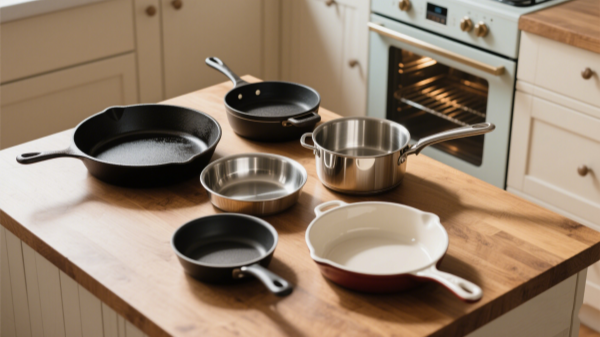
Material Durability: True oven-safe pans are made from metals—cast iron, stainless steel, carbon steel or cast aluminum coating ceramic—that withstand high heat without warping or melting.
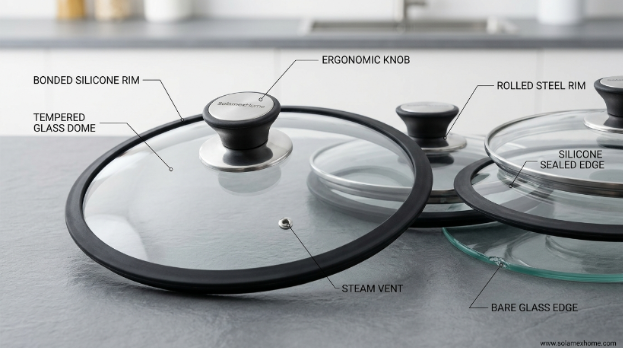
Handle & Lid Design: Even if the pan body survives, plastic or wooden handles and glass lids can fail at lower temperatures. Look for exposed metal or high-heat silicone handles, and check lid ratings separately.
Coatings: Ceramic non-stick coatings tolerate higher heat (up to ~520°F) than traditional Teflon (max ~350°F). Always verify the specific coating’s limit.

1.2 Key Terms to Know
Oven-Safe Symbol: Manufacturers often stamp an oven icon or temperature figure on the pan base. Absence of a symbol doesn’t imply safety—always cross-check with product specs.
Temperature Limits:
- Cast Iron: up to 500°F+; enameled variants still reach 500°F.
- Stainless Steel: Generally 500–800°F on multi-ply models.
- Carbon Steel: Practically unlimited—limited by handle/seasoning.
- Aluminum/Anodized: 400–500°F depending on finish.
- Ceramic Non-Stick: ~520°F max for ceramic; ~350°F for Teflon.
2. How to Check if Your Pan Is Oven-Safe
2.1 Step-by-Step Verification
- Read the Label: Examine the bottom of the pan, packaging, or instruction manual for “oven safe” markings and temperature figures.
- Inspect Materials: Solid metals (cast iron, steel) are inherently safe; coatings and attachments often impose lower limits.
- Check Handles & Lids: Remove or note detachable handles; verify glass lids (often 350–400°F max) vs. metal lids.
- Consult Manufacturer: Visit the brand website or contact support to confirm edge-case items (e.g., hybrid non-stick pans).
2.2 Common Mistakes to Avoid
- Assuming “Non-Stick” Means Oven-Safe: Many Teflon pans top out at 350°F, well below broiler settings.
- Overlooking Handle Materials: Phenolic or acrylic handles often limit pans to ~400°F—always check packaging.
3. Best Oven-Safe Pan Materials & Their Uses
3.1 Cast Iron
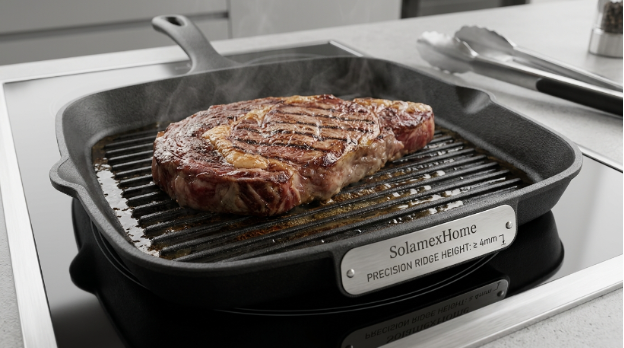
Pros: Exceptional heat retention; safe to 500°F+; versatile for searing, baking, and broiling.
Cons: Very heavy; requires ongoing seasoning; enameled versions chip if mishandled.
To maintain seasoning and prevent rust, clean with minimal soap, dry promptly, and re-oil. For deeper care, reseason at 350°F for 1 hour.
3.2 Stainless Steel
Pros: Durable, non-reactive, induction-compatible; premium 5-ply pans can handle 800°F.
Cons: Not truly non-stick—requires oil and careful heat management to prevent sticking.
3.3 Carbon Steel
Pros: Lightweight relative to cast iron; heats quickly; effectively unlimited oven tolerance—handles searing to broiling with ease.
Cons: Prone to rust; seasoning layer is critical and can wear off if scrubbed aggressively.
3.4 Aluminum & Anodized Aluminum
Pros: Excellent heat distribution; anodized versions resist corrosion; safe to 400–500°F depending on finish.
Cons: Bare aluminum may react with acidic foods; avoid direct broiler use on uncoated surfaces.
3.5 Non-Stick (Ceramic & Teflon)
Pros: Effortless cleanup; PFAS-free ceramic pans handle up to ~520°F; ideal for delicate foods.
Cons: Teflon degrades above 350°F; scratched coatings release particles; lids often limit overall use.

4. Practical Tips for Safe Oven Use
4.1 Preheating & Handling
Always preheat your empty pan or oil-coated surface gradually to avoid thermal shock and warping.
Use thick oven mitts or silicone grips—even “stay-cool” handles conduct heat—so you never risk burns.
4.2 Temperature Management
Stay within each material’s maximum heat threshold. Exceeding limits can damage coatings, handles, or lids, releasing toxins or causing failure.
If broiler use is essential, confirm broiler-safe status—many non-stick and glass lids are not designed for direct flame.
4.3 Cleaning & Maintenance
Cool pans before washing to prevent enamel or glass cracking. Hand-wash non-stick and enameled surfaces with gentle brushes.
For cast iron, avoid soaking—dry immediately and apply a thin oil layer while still warm. This preserves seasoning and prevents rust.
5. Product Recommendations for Every Budget
| Category | Product | Oven Limit | Key Feature |
|---|---|---|---|
| Budget | Lodge Cast Iron Skillet | 500°F+ | Pre-seasoned, lifetime durability. |
| Mid-Range | Made In Stainless Clad Pan | 800°F | 5-ply construction, induction-ready. |
| Premium | Le Creuset Enameled Cast Iron | 500°F | Colorful enamel, no seasoning needed. |
| Non-Stick | GreenPan Ceramic Cookware | 600°F (lid 425°F) | PFAS-free ceramic; glass lids. |
Retailers and multi-location kitchens shouldn’t miss Solamex’s wholesale program, which delivers tiered discounts on bulk orders to fit both small bistros and large chains
6. FAQs About Oven-Safe Pans
- Q: Can I use a pan with a silicone handle in the oven?
- A: Yes—if the handle is rated for high heat (typically up to 428–500°F). Always verify manufacturer specs to avoid melting.
- Q: Are tempered glass pans oven-safe?
- A: Many brands (e.g., Pyrex) rate tempered glass to 450°F; avoid sudden temp changes to prevent shattering.
Conclusion: Confidently Use Your Oven-Safe Pan
By verifying materials, handles, coatings, and referencing manufacturer guidelines, you can safely move from stovetop to oven every time.
Invest in quality cookware and follow these expert tips to maximize performance, safety, and lifespan—your kitchen workflow will thank you.
Mastering the Skillet Selection: A Data-Driven Guide to Material, Design, and Performance
Saucepan Mastery: Techniques, Recipes & Sustainability