Marble Pans & Cooking Pots: The Science-Backed Guide to Durable, Healthy, and Elegant Kitchen Mastery

Discover how marble-coated pans & pots deliver a next-level cooking experience by combining a multi-layered, mineral-infused non-stick surface with superior heat distribution, elegant aesthetics, and health-first formulations. Backed by industry tests and expert guidelines, this comprehensive guide covers everything from the science behind marble coatings to pro cooking tips, maintenance best practices, and a detailed buying checklist—ensuring you get the most out of your investment and extend the lifespan of your cookware.
1. Introduction
The culinary world is witnessing a surge in mineral-infused non-stick cookware, driven by home chefs seeking healthier, more durable, and visually striking kitchen tools. Marble coatings, featuring crushed natural minerals embedded in advanced resin matrices, promise a PFOA-free, scratch-resistant surface that can last up to ten times longer than traditional Teflon pans. Beyond durability, the marble-pattern finish elevates kitchen aesthetics, making cookware as much a design statement as a functional asset.
In this guide, we’ll delve into the science of marble-coated pans and pots, highlight their pros and cons, and provide expert-backed tips on cooking, cleaning, and selecting the perfect set for your kitchen—ensuring you maximize both performance and lifespan.
2. What Is Marble-Coated Cookware?
2.1 Definition & History
Marble-coated cookware emerged to address early PTFE non-stick surfaces’ tendency to chip and degrade. By integrating finely crushed calcium carbonate and other minerals into a multi-layer PTFE or ceramic base, manufacturers achieved a cooking surface that mimics marble’s hardness and premium look while retaining non-stick properties.
2.2 Composition & Manufacturing
Most marble-coated pans employ a 3–5 layer deposition process: a primer layer for adhesion, multiple marble-infused non-stick resin layers for durability and release, and a protective top coat to seal and enhance scratch resistance. These coatings are applied to a thick (3–4 mm) cast-aluminum base that ensures rapid, even heat distribution.
Premium brands often add a nano-ceramic infusion within the resin mix, further boosting scratch resistance and reducing the need for excessive cooking oil, thus aligning with health-conscious cooking trends.
3. Key Advantages
3.1 Enhanced Durability
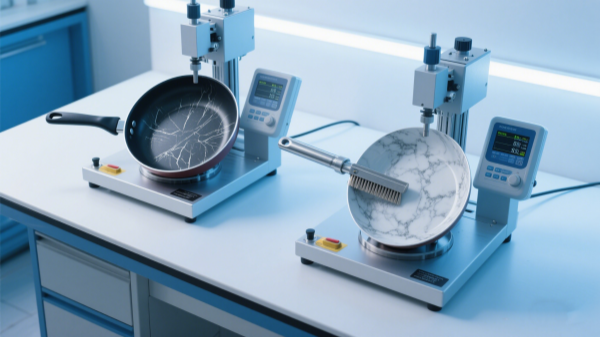
Laboratory abrasion tests show marble coatings resisting chipping and scratching up to 10× longer than conventional Teflon surfaces, even when used with metal utensils (like cast iron and stainless steel)—thanks to the mineral reinforcement within the resin layers.
3.2 Superior Non-Stick Performance
The ultra-smooth, mineral-polished finish ensures exceptional food release, minimizing sticking and enabling you to use significantly less oil or butter in cooking—for healthier meals and faster clean-up cycles.
3.3 Health & Safety
All leading marble coatings are certified PFOA-, PTFE-, lead-, and cadmium-free, emitting no harmful fumes below 230 °C. This makes them a safer option compared to older non-stick technologies that could degrade at high heat.
3.4 Aesthetic Appeal
The distinctive veined marble finish adds a luxury touch to kitchen décor, blending seamlessly with both modern minimalist and rustic designs—currently a high-demand trend among interior designers.
3.5 Even Heat Distribution
The thick cast-aluminum base efficiently transfers heat across the entire cooking surface, eliminating hot spots and ensuring uniform browning—ideal for searing, sautéing, and slow-cooked dishes alike.
4. Potential Drawbacks & Limitations
4.1 Heat Sensitivity
Although robust, marble coatings can degrade if overheated. Most cookware manufacturers recommend staying under 230 °C; exceeding this can cause smoking, discoloration, or gradual coating breakdown.
4.2 Weight Considerations
Compared to ultra-light aluminum or titanium pans, marble-coated cookware is heavier due to the multi-layer build and thicker base—potentially less comfortable for extended stovetop use.
4.3 Cost Factor
Premium marble-coated sets often carry a higher price tag than basic non-stick alternatives; however, their longevity and performance can offset the initial investment over time.
5. Cooking & Usage Tips
To maximize your marble pan’s lifespan and cooking performance, follow these expert recommendations:
- Preheat Gradually: Always start on low-to-medium heat. Sudden high heat can cause thermal stress and microscopic cracks in the coating.
- Use Gentle Utensils: Opt for wood, silicone, or nylon tools. Avoid metal utensils that may scratch or chip the surface over time.
- Minimal Oil: A light mist of oil is sufficient. Over-oiling can lead to polymerized residue buildup that dulls the non-stick finish .
- Avoid High-Heat Searing: For searing, preheat pan for only 1–2 minutes; then add oil and food to prevent coating damage.
6. Cleaning & Maintenance
6.1 Daily Cleaning
Wash immediately after use with warm water, a soft sponge, and mild, pH-neutral detergent. Harsh abrasives or scouring pads can erode the marble finish.
6.2 Stain & Residue Removal
For stuck-on bits, soak the pan in soapy water for 10–15 minutes, then gently scrape with a plastic spatula or soft brush.
6.3 Avoiding Damage
Never use acidic cleaners (e.g., undiluted vinegar or lemon juice) directly on the coating—they can etch or dull the surface over time.
6.4 Long-Term Care
Store pans unstacked or with felt liners between them to prevent friction. Inspect handles and seals annually; re-season or replace if recommended by the manufacturer.
7. Buying Guide & Specifications
When investing in marble-coated cookware, compare these critical features to ensure long-term satisfaction:
| Feature | Recommendation | Reason |
|---|---|---|
| Coating Layers | 3–5 Layers | More layers = better scratch resistance & longer lifespan |
| Base Thickness | ≥ 3 mm Cast Aluminum | Ensures even heating & prevents warping |
| Handle Design | Ergonomic & Heat-Resistant | Comfortable grip & safety during cooking |
| Certifications | PFOA-, Lead-, Cadmium-Free | Non-toxic cooking environment |
| Warranty | 2+ Years | Manufacturer confidence & quality assurance |
Additionally, read user reviews and cooking blogs to gauge real-world performance under varied cooking styles, from high-heat stir-frying to gentle simmering.
8. Conclusion
Marble-coated cookware offers an unbeatable blend of durability, safety, and style that caters to both amateur cooks and seasoned chefs. By following proper heating protocols, using the right utensils, and adhering to gentle cleaning methods, you can unlock years of non-stick performance and maintain that signature marble finish in your kitchen. When choosing your set, prioritize multi-layer coatings, solid aluminum bases, ergonomic handles, and robust warranties to ensure your investment continues delivering professional-grade results.
Ready to level up your culinary game? Embrace the elegance and functionality of marble-coated pans and pots—where science, design, and health converge on your stovetop.
Marble-Coated Cookware: Where Tradition Meets Tech in Modern Kitchens
Stock Pot Sizes: How to Choose the Perfect Kitchen Essential