Master Your Cast Aluminum Cookware: Pro Tips for Perfect Non-Stick Results & Longevity
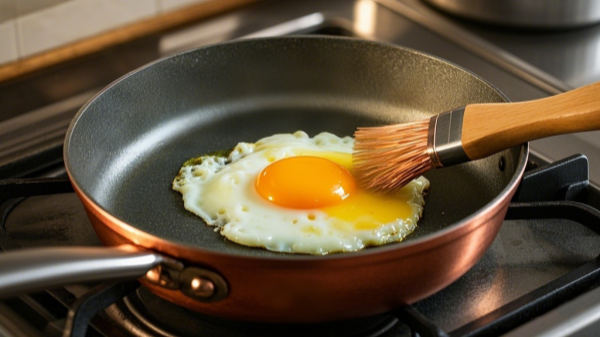
Learn how to choose, use, and maintain cast aluminum cookware to elevate your cooking experience.
I. Introduction
Cast aluminum cookware is a type of kitchen utensil made from aluminum alloys that are cast into various shapes using advanced manufacturing techniques. Its popularity in modern kitchens is largely due to its lightweight design, excellent heat conduction, and overall affordability.
This guide is designed to help you choose, use, and maintain cast aluminum cookware effectively. Whether you're a seasoned chef or a home cook looking to upgrade your kitchen cookware, this article will provide you with essential insights into the product's origins, technology, and practical benefits.
II. Understanding Cast Aluminum Cookware
Historical Background & Manufacturing Process
Cast aluminum cookware is produced by melting aluminum alloy and pouring it into molds. This process allows manufacturers to create cookware with complex shapes and consistent quality. Over time, improvements in the casting process and alloy composition have enhanced both the durability and performance of these products.
Historically, cast aluminum emerged as a cost-effective alternative to heavier materials like cast iron. Its evolution in the cookware market has been driven by technological advancements that have improved heat distribution, energy efficiency, and overall design.
Material Properties & Technological Advantages
One of the standout properties of cast aluminum is its even heat distribution, which allows for precise cooking and reduces the occurrence of hot spots. Its ability to heat up rapidly and cool down quickly makes it highly efficient and energy-saving.
Moreover, cast aluminum is inherently lightweight and durable, offering excellent maneuverability compared to heavier alternatives. These characteristics make it a popular choice among chefs who value both performance and ease of handling.
III. Benefits for the Home Chef
Performance in the Kitchen
Cast aluminum cookware is celebrated for its outstanding performance in the kitchen. Its ability to conduct heat evenly not only results in better cooking outcomes but also helps in achieving a quick heat-up and cool-down, which is essential for recipes requiring rapid temperature adjustments.
User-Centric Advantages
The lightweight design of cast aluminum cookware makes it incredibly easy to handle. This is particularly beneficial when you need to transfer pots and pans between the stove and the countertop. Additionally, its versatility means it can be used for a wide range of cooking styles—from sautéing and simmering to frying and beyond.
With a lower price point compared to some premium alternatives, cast aluminum cookware offers excellent value, making it a wise investment for both everyday use and special culinary endeavors.
IV. Comparison with Other Cookware Materials
Cast Aluminum vs. Cast Iron
Although both cast aluminum and cast iron have their merits, they differ in several important ways:
| Feature | Cast Aluminum | Cast Iron |
|---|---|---|
| Weight | Lightweight and easy to maneuver | Heavier and can be cumbersome |
| Maintenance | Low-maintenance; many models are dishwasher-safe | Requires seasoning and careful cleaning |
| Heat Retention | Heats up quickly but cools down fast | Excellent at retaining heat for longer periods |
Cast Aluminum vs. Stainless Steel
Comparing cast aluminum with stainless steel cookware:
- Heat Performance: Cast aluminum heats rapidly and distributes heat evenly, whereas stainless steel is best suited for high-heat cooking but may experience hot spots.
- Reactivity: Stainless steel is non-reactive with acidic foods, while untreated aluminum can react; however, anodized or coated aluminum mitigates this concern.
- Durability: Stainless steel is exceptionally durable, yet cast aluminum provides a balance between durability and ease of handling.
Overall, for many home chefs, the cost-benefit balance tips in favor of cast aluminum cookware, especially when looking for lightweight, high-performance options.
V. Health, Safety, and Maintenance Considerations
Is Cast Aluminum Cookware Safe?
Concerns about aluminum leaching into food have been widely discussed. However, current research and expert opinions affirm that cast aluminum cookware is safe for everyday use, particularly when it is anodized or coated. These treatments create a barrier that minimizes any potential reactivity with food.
Studies indicate that the levels of aluminum exposure from such cookware are negligible, and regulatory agencies support its safe use in kitchens.
Cleaning and Maintenance Tips
Proper care is essential to ensure the longevity of your cast aluminum cookware. Here are some practical tips:
- Cleaning: Use a mild dish soap and a soft sponge. Avoid abrasive scrubbers that might damage the nonstick or anodized surface.
- Storage: Always ensure that your cookware is completely dry before storing to prevent any moisture-related damage. Consider using protective layers between pieces when stacking.
- Upkeep: Periodically inspect your cookware for signs of wear. If you notice the nonstick coating deteriorating, it may be time to re-season (if applicable) or replace the piece.
VI. How to Choose the Right Cast Aluminum Cookware
When shopping for cast aluminum cookware, keep these key buying factors in mind:
- Price Range: Cast aluminum cookware is available across various price points, allowing you to find quality options that fit your budget.
- Brand Reputation and Warranty: Choose reputable brands that back their products with warranties and strong customer service.
- Coating Effectiveness: The type of coating (e.g., nonstick, anodized) can significantly affect both performance and safety. Look for products that ensure optimal nonstick performance without harmful chemicals.
It is also beneficial to read user reviews and expert recommendations. This feedback can provide real-world insights into the performance and durability of the cookware you are considering.
VII. Advanced Tips for Optimizing Performance
Cooking Techniques & Recipes
Maximize your cast aluminum cookware's potential with these tips:
- Preheating: Always preheat your pan over medium heat to ensure even cooking before adding ingredients.
- Adapt Recipes: Modify traditional recipes to take advantage of cast aluminum’s fast heat-up and cool-down capabilities. This is ideal for stir-fries pans, delicate sautéing pans, or quick searing.
- Low-Oil Cooking: With superior nonstick properties, you can cook with minimal oil for healthier meals without compromising flavor.
Upgrade Your Kitchen Setup
For a truly versatile kitchen, consider integrating complementary cookware:
- Combine Materials: Pair your cast aluminum pots with select pieces of cast iron or stainless steel. Each material excels at different cooking techniques, providing an all-around culinary toolkit.
- Invest in Specialty Items: Consider adding items like a nonstick frying pan or a versatile sauté pan that can work across different heat sources, including induction and conventional stoves.
This integrated approach helps create a cohesive kitchen environment that caters to every cooking need.
VIII. Conclusion & Final Recommendations
In conclusion, cast aluminum cookware offers a winning combination of lightweight design, efficient heat conduction, and affordability, making it an excellent choice for both everyday cooking and special culinary projects.
Its performance benefits, ease of handling, and versatility mean that investing in quality cast aluminum cookware can transform your kitchen experience. With proper care and thoughtful selection, these products will serve you well for years to come.
Ready to elevate your culinary game? Explore our top recommendations and start optimizing your cast aluminum cookware today!
Cast Aluminum Cookware: The Ultimate Guide for Modern Kitchens
Outdoor Frying Pans & the Importance of Aluminum Cookware in Outdoor Cooking