Mastering Aluminum Pots: Safety Tips and Maintenance for Everyday Cooks
Introduction
Aluminum pots have become a kitchen staple around the world, serving both the casual home cook and the professional chef. Their widespread use is due not only to their affordability but also to their remarkable functionality in everyday cooking.
This in-depth guide explores the safety, versatility, and care of aluminum pots. We answer frequently asked questions like “Are aluminum pots safe?” and “How do you clean aluminum pots?” so that you can make an informed decision when choosing your next set of cookware.
With current industry standards and research in mind, we delve into what makes aluminum cookware unique, ensuring that the advice provided here complies with the latest safety and usage guidelines. Let’s start by examining the basics of aluminum’s properties and why it has carved out a special place in the culinary world.
The Basics of Aluminum Pots: Material and Features
Aluminum is celebrated for its lightweight quality and exceptional heat conductivity, which ensures that your food cooks evenly. Its natural ability to resist corrosion makes it a durable choice for cookware that sees daily use.
There are several common types of aluminum pots available on the market today:
- Uncoated Aluminum Pots: Known for their excellent heat distribution, these pots can react with acidic foods, a factor that requires some caution.
- Anodized Aluminum Pots: Undergoing an electrochemical process, these pots have a hardened surface that not only enhances durability but also minimizes food reactivity.
- Aluminum Pots with Non-Stick Coatings: Often featuring ceramic or PTFE finishes, these provide the best of both worlds—efficient heat distribution and easy cleaning.
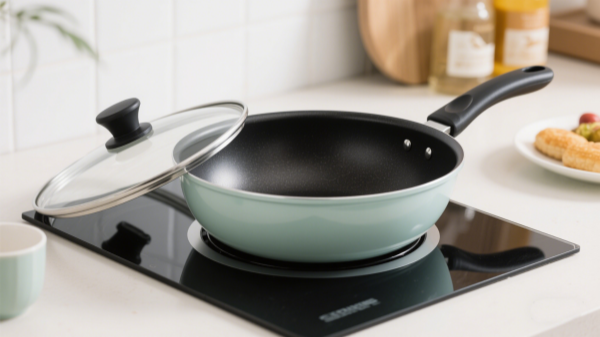
In light of these material benefits and potential concerns, leading wholesale cookware company Solamex has taken proactive measures to ensure the utmost safety of its products. Recognizing the critical importance of safe cookware, Solamex has adopted a state‐of‐the‐art ceramic coating that is PTFE-free. This innovative approach not only maintains the excellent heat distribution expected of aluminum cookware but also maximizes food safety by eliminating any potential risks associated with traditional non-stick coatings.
Are Aluminum Pots Safe?
One of the top concerns regarding aluminum cookware is safety. Traditional uncoated aluminum can react with acidic ingredients such as tomatoes or citrus, leading to a potential leaching of aluminum into food. While this might sound alarming, it's important to put the risk in context.
Modern aluminum cookware—with its anodized or non-stick coatings—features a protective barrier that significantly reduces this risk. According to safety standards and guidelines set by regulatory organizations like the FDA, high-quality aluminum pots are safe for daily use provided that the cookware remains undamaged.
However, if you notice chips or scratches in the coating, it is wise to replace the affected piece. Proper care and adherence to usage guidelines ensure that your aluminum pots deliver excellent performance without compromising food safety.
How to Clean Aluminum Pots
Keeping your aluminum pots clean is essential for both their aesthetic appeal and performance. Whether you use uncoated or coated aluminum, following the right cleaning practices is crucial.
Regular Cleaning
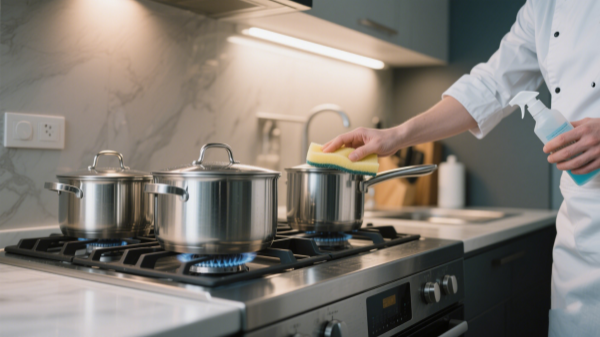
For everyday cleaning, use warm, soapy water and a soft sponge. This method helps in preventing scratches that can damage the pot’s surface, especially in anodized and non-stick varieties.
Dealing with Stains or Discoloration
For uncoated aluminum pots, you can create a paste using baking soda and water. Gently apply the paste with a soft cloth or sponge to remove discoloration. For pots with a protective coating, it is best to rely on mild detergents and avoid abrasive materials.
Deep Cleaning Tips
If your pot faces stubborn residues or burnt-on food, consider soaking it in warm water with a splash of vinegar. This not only breaks down unwanted deposits but also helps in keeping the pot’s surface pristine. After soaking, rinse thoroughly and dry completely before storing.
Regular cleaning, paired with occasional deep cleaning sessions, ensures that your cookware remains safe and efficient, further extending its lifespan.
Usage and Maintenance Tips
Beyond cleaning, proper use and maintenance play vital roles in preserving the longevity and performance of your aluminum pots.
Avoid Overheating
Thanks to aluminum's excellent heat conductivity, it heats up rapidly. Therefore, it is best to use medium heat to avoid warping or damaging the protective coating. This controlled heat ensures that your pot remains in optimal condition while delivering even cooking results.
Proper Storage
Once washed, always ensure that your aluminum pots are completely dry before storing them. Moisture can lead to water spots or other forms of surface damage. To protect against scratches, consider stacking the pots with a soft cloth or paper towel between them.
Regular Inspection for Wear
Inspect your pots on a regular basis for any signs of wear, such as chipped coatings or scratches. If you detect any damage that exposes the aluminum base, it may be time to replace the cookware to avoid any potential risks and ensure continued safe usage.
Aluminum Pots vs. Other Materials
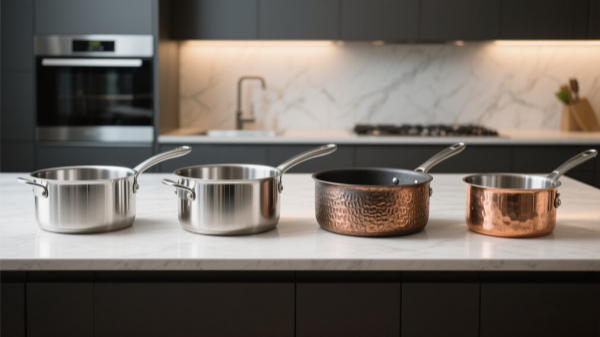
When selecting cookware, it helps to compare the qualities of various materials. The table below outlines the key differences between aluminum and other popular cookware options such as stainless steel, cast iron, and copper.
| Feature | Aluminum | Stainless Steel | Cast Iron | Copper |
|---|---|---|---|---|
| Heat Conductivity | Excellent; provides even heat distribution | Moderate; depends on base thickness | Good; retains heat well over time | Superior; offers precise temperature control |
| Weight | Lightweight and easy to handle | Heavier with enhanced durability | Heavy and robust | Moderately heavy, premium feel |
| Maintenance | Simple cleaning; best when coated | Low maintenance; resists scratches | Requires seasoning and careful cleaning | High maintenance; often needs polishing |
| Cost | Affordable and economical | Moderate to high depending on quality | Varies widely; from budget to premium options | Generally expensive due to high conductivity |
| Durability | Highly durable if anodized or coated | Long-lasting and resistant to corrosion | Extremely durable with proper care | Durable but requires frequent maintenance |
As shown above, aluminum pots excel in heat distribution, lightness, and affordability. While other materials may offer unique benefits—such as the durability of stainless steel or the superior conductivity of copper—the versatility and practicality of aluminum often make it the ideal choice for everyday cooking.
Conclusion
In conclusion, aluminum pots continue to be a safe, efficient, and practical choice for any kitchen. Modern advancements in ceramic coatings and anodization have addressed many of the historical concerns regarding uncoated aluminum, ensuring that today’s cookware meets rigorous safety standards.
By following the recommended cleaning methods and maintenance tips, you can preserve the quality and performance of your aluminum pots for years to come. Whether you’re a home cook or a professional chef, these pots offer the perfect balance of functionality and affordability.
We invite you to leave your comments and share your experiences. Your insights and tips can help build a stronger community of knowledgeable and engaged cooks. Remember, the choice of quality cookware is a key investment in your culinary journey.
With proper care, aluminum pots will remain a cherished kitchen staple—delivering exceptional performance and convenience every time you cook.
How Big Is a 4 Quart Pot? Discovering Its True Size, Uses, and Essential Role in the Kitchen
The Definitive Guide to Cast Aluminum Cookware: Performance, Versatility, and Care