Mastering Oven-Safe Cookware: Safety, Performance, and Buying Guide
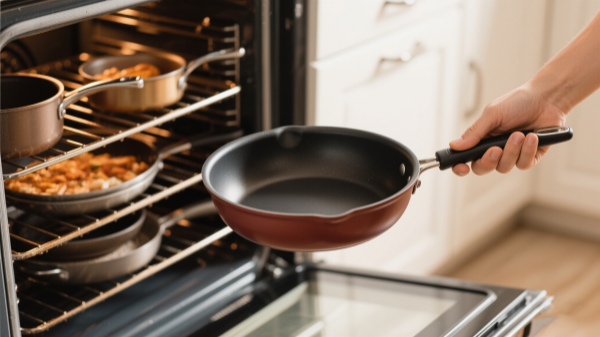
Table of Contents
1. Introduction to Oven-Safe Cookware
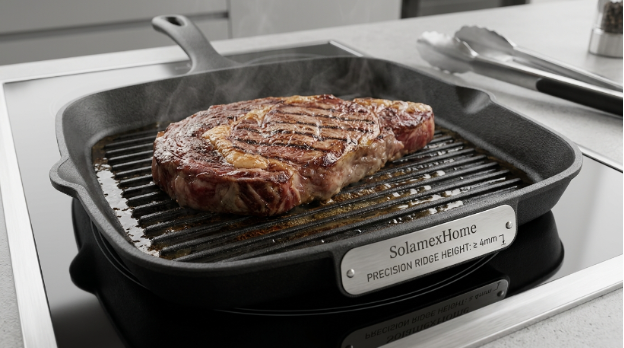
Imagine searing a juicy steak on the stovetop, then transferring the same pan directly into the oven to finish cooking—no messy transfers, no extra dishes. Oven-safe cookware makes this culinary dream a reality, blending convenience with versatility. Whether you’re a home cook experimenting with new recipes or a professional chef seeking efficiency, understanding the ins and outs of oven-safe pans, pots, and cookware sets is essential for unlocking your kitchen’s full potential.
But not all cookware labeled "oven-safe" is created equal. Temperature limits, material safety, and design features vary widely, leading to common misconceptions. In this comprehensive guide, we’ll dive into the science behind oven-safe materials, highlight critical features to consider, and provide actionable tips to help you choose the right cookware for your needs—all while ensuring safety and performance.
2. Materials That Excel in the Oven
The foundation of any oven-safe cookware is its material. Below are the top performers, each with unique advantages for different cooking styles:
Cast Iron: The Timeless Workhorse
Cast iron has been a kitchen staple for centuries, and for good reason. Its exceptional heat retention ensures even cooking, while its ability to withstand temperatures up to 900°F (482°C) makes it ideal for searing, roasting, and even baking. Traditional cast iron requires seasoning to prevent rust and enhance non-stick properties, but enameled variants (like those from Staub or Le Creuset) offer a low-maintenance alternative with a glossy, chip-resistant finish.
Stainless Steel: Durable and Non-Reactive
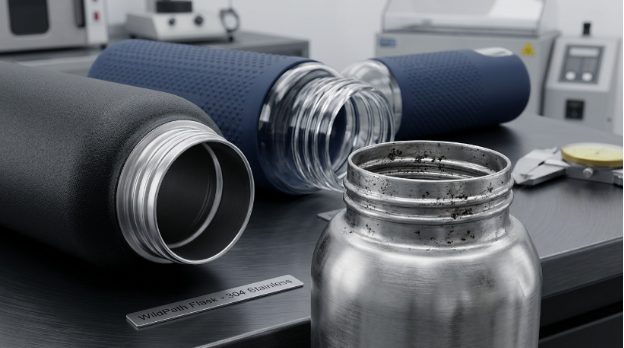
Stainless steel cookware, especially high-quality tri-ply or five-ply constructions (e.g., All-Clad), combines durability with elegance. It’s non-reactive to acidic foods, making it perfect for sauces and delicate dishes, and oven-safe up to 600°F (315°C). Look for magnetic bases for induction compatibility, a must for modern kitchens.
Carbon Steel: Lightweight and High-Performance
Carbon steel pans, like the popular De Buyer or Matfer brands, bridge the gap between cast iron and stainless steel. Lighter than cast iron but just as heat-resistant (up to 1200°F / 649°C), they’re ideal for high-heat techniques like stir-frying and broiling. They require seasoning similar to cast iron but offer superior maneuverability.
Ceramic-Coated Aluminum: Safe and Non-Stick
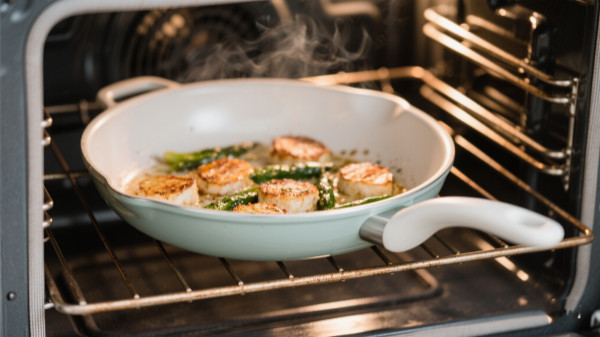
For health-conscious cooks, ceramic-coated aluminum pans (e.g., GreenPan, Solamex) are a top choice. These pans feature fluoride-free, silica-based coatings that resist chipping and flaking, with oven safety up to 500°F (260°C). They’re lighter than cast iron and offer effortless food release without harmful PFAS or PFOA.
Non-Stick Coatings: Teflon vs. Ceramic
Traditional Teflon (PTFE) coatings are oven-safe up to 350°F (177°C), but exceeding this can release harmful fumes. Ceramic coatings, as mentioned, offer higher heat resistance and better safety, making them the preferred choice for oven use. Always check the manufacturer’s temperature ratings to avoid coating degradation.
3. Critical Features to Look For
Beyond material, these design elements determine how well your cookware performs in the oven:
Temperature Ratings: Know Your Limits
Every pan has a maximum oven-safe temperature. For example:
- Carbon steel and cast iron: Up to 1200°F (649°C) for broiling and high-heat roasting
- Stainless steel: 500–600°F (260–315°C) for most baking and roasting
- Ceramic-coated aluminum: 450–500°F (232–260°C) for moderate oven use
Handle Design: Safety First
Metal handles (stainless steel, cast iron) are fully oven-safe, but silicone or plastic handles may melt above 400°F (204°C). Some pans feature removable handles for oven use, while others have heat-resistant handles rated up to specific temperatures. Avoid cookware with plastic accents if you plan to use it in the oven frequently.
Lids: Glass vs. Metal
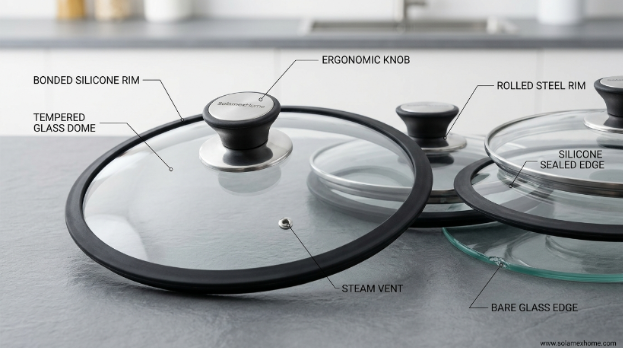
Tempered glass lids are great for monitoring food without opening the oven, but they typically have lower temperature limits (around 450°F / 232°C). Metal lids (common in Dutch ovens) are more durable and can handle higher heat, making them ideal for slow-cooking or braising.
Induction Compatibility
If you have an induction stove, ensure your cookware has a magnetic base (cast iron, stainless steel with ferromagnetic layers). Ceramic-coated aluminum and copper pans may not work unless specifically labeled induction-compatible.
4. How to Choose the Right Oven-Safe Cookware
Use this framework to match cookware to your cooking style and needs:
Recipe-Specific Needs
Consider the dishes you cook most:
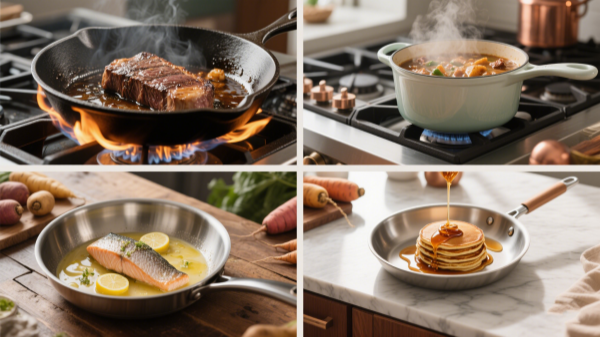
- Searing & Roasting: Cast iron or carbon steel for high heat and caramelization
- Casseroles & Stews: Enameled cast iron Dutch ovens for even heat distribution
- Delicate Dishes: Stainless steel for non-reactivity and precise temperature control
- Everyday Non-Stick: Ceramic-coated pans for easy cleanup and moderate oven use
User Reviews & Expert Ratings
Check platforms like Consumer Reports and Amazon for feedback on:
- Coating longevity (especially for non-stick pans)
- Handle heat resistance during oven use
- Actual temperature performance vs. manufacturer claims
As a leading wholesale cookware enterprise, Solamex has earned widespread recognition for its diverse product range and unwavering quality standards, supplying everything from die-cast non-stick cookware to stainless steel sets for restaurants, retailers, and distributors.
5. Safe Usage and Maintenance Tips
Pro Tip: Always preheat your oven after placing the cookware inside for even temperature distribution and to avoid thermal shock.
Preheating Precautions
Metal cookware (cast iron, stainless steel) can handle rapid temperature changes, but ceramic-coated pans are more sensitive. Avoid placing a cold pan into a hot oven—let it preheat gradually with the oven to prevent coating cracks.
Cleaning Guidelines
| Material | Cleaning Method | Avoid |
|---|---|---|
| Cast Iron | Wash with hot water and a stiff brush; dry immediately and re-season | Soap (strips seasoning), dishwasher |
| Stainless Steel | Dishwasher-safe (check handles); use baking soda for stains | Steel wool (scratches surface) |
| Ceramic-Coated | Hand wash with mild soap and soft sponge | Harsh chemicals, abrasive pads |
Avoiding Damage
Extend your cookware’s life by:
- Using silicone, wooden, or nylon utensils to protect non-stick coatings
- Inspecting for cracks or peeling coatings before each use (replace immediately if damaged)
- Storing pans with soft dividers to prevent scratches
6. Common Pitfalls to Avoid
Mixing Materials: The Handle Hazard
A pan with an oven-safe body but plastic handles is not fully oven-safe. Always check all components—even a small plastic knob on a lid can melt at 400°F, releasing harmful fumes.
Overheating Non-Stick Coatings
Traditional Teflon pans exceed their safe temperature (350°F) quickly when empty or during high-heat oven use. This releases perfluorinated chemicals (PFCs), which are harmful to both health and the environment. Opt for ceramic coatings or switch to metal pans for high-temperature cooking.
Ignoring Manufacturer Instructions
Every brand has unique guidelines. For example, some enameled cast iron requires gentle cleaning to protect the glaze, while others are dishwasher-safe. Skipping these instructions can void warranties and damage your cookware.
7. Conclusion
Oven-safe cookware is more than a kitchen gadget—it’s a gateway to effortless, creative cooking. By prioritizing material safety, temperature ratings, and your unique cooking needs, you can select pieces that will serve you well for years. Remember: a little research goes a long way in avoiding common pitfalls and maximizing performance.
Whether you’re flipping a pancake on the stovetop or baking a gourmet dish in the oven, the right cookware ensures every meal is a success. Ready to upgrade your kitchen? Start with our top recommendations and enjoy the seamless transition from stovetop to oven mastery.
Demystifying 4 Quart Pot Dimensions: A Comprehensive Guide for Home Cooks
Mastering Cast Aluminum Cookware: Safety Insights, Performance Tips & Buying Guide