Mastering the Grill Pan: A Complete Guide to Indoor-Outdoor Cooking

Mastering the Grill Pan: A Complete Guide to Indoor-Outdoor Cooking
Introduction: Unlocking Culinary Freedom
Grill pans have revolutionized modern cooking by bridging the gap between indoor convenience and outdoor flavor. Whether you’re searing a steak in a city apartment or grilling veggies at a campsite, these versatile tools deliver restaurant-quality results. This guide explores their core benefits, design innovations, and practical applications to help you make the most of your kitchen arsenal.
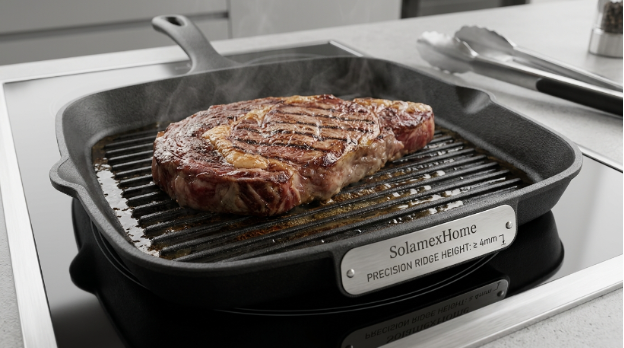
According to a Serious Eats, the best grill pans balance heat retention and grill mark definition. The Lodge Chef Collection 11-inch cast iron pan, for example, features 0.2-inch ridges that elevate food for even browning while preventing excessive grease buildup.
Design & Materials of Grill Pan: The Science Behind Performance
Material Breakdown
Grill pans come in various materials, each with unique advantages:
- Cast Iron: Retains heat exceptionally well, ideal for high-heat searing. Brands like Lodge and Victoria offer pre-seasoned options that develop natural nonstick properties over time.
- Cast Aluminum: Lightweight and fast-heating, often paired with nonstick coatings (e.g., SENSARTE’s PFOA-free pans) for easy cleanup.
- Ceramic/Enamel: Eco-friendly and corrosion-resistant, though prone to scratching. Le Creuset’s enameled cast iron pans are oven-safe up to 900°F.
Structural Innovations
Key design features enhance functionality:
- Ridges: Create iconic grill marks and drain excess fat. Tests by Serious Eats showed that 0.2-inch ridges strike the perfect balance between char and even cooking.
- Pour Spouts: Allow easy grease disposal, reducing mess and promoting healthier cooking (e.g., Anolon’s divided grill pan).
- Detachable Handles: Enable oven use and compact storage, a must for small kitchens.
Buying Guide: Matching Needs to Features
Choosing by Scenario
Select the right pan based on your cooking habits:
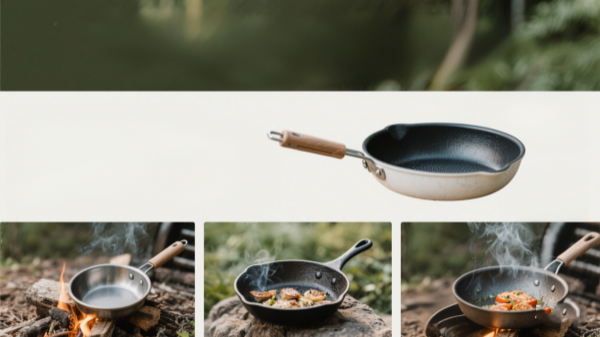
- Indoor Use: Ceramic Coating nonstick cast aluminum pans (e.g., Solamex) minimize smoke and simplify cleanup.
- Outdoor Adventures: Cast iron or stainless steel pans (e.g., Lodge’s pre-seasoned models) withstand rugged conditions.
- Small Spaces: Look for foldable handles and compact sizes, such as 7-9 inch pans.
Performance Factors
Consider these technical aspects:
- Heat Distribution: Aluminum pans conduct heat faster, while cast iron excels at even heating and retention.
- Coating Safety: Opt for PFOA-free coatings like Solamex or GreenPan’s ceramic technology.
- Stove Compatibility: Ensure induction compatibility if needed (e.g., Lodge’s enameled cast iron).
Budget & Brands
Top picks across price ranges:
| Category | Brand | Key Features | Price Range |
|---|---|---|---|
| Budget | Lodge | Pre-seasoned cast iron, versatile | $20-$50 |
| Mid-Range | GreenPan | Ceramic nonstick, eco-friendly | $50-$100 |
| Luxury | Le Creuset | Enameled cast iron, premium design | $150-$300 |
Cooking Techniques: From Novice to Pro
Prep & Preheating
Proper preparation ensures optimal results:
- Cast Iron: Season with oil to maintain nonstick properties. Avoid soap during cleaning.
- Nonstick Pans: Use low to medium heat to prevent coating damage. Preheat slowly to avoid warping.
Heat Control
Master temperature for different dishes:
- High Heat: Ideal for searing steaks and seafood. A Serious Eats test showed that cast iron pans reached 500°F in 10 minutes on high heat.
- Low Heat: Perfect for vegetables and delicate foods like eggs. Use a grill press (e.g., Cuisinart’s cast iron press) to ensure even contact.
Signature Recipes
Try these crowd-pleasing dishes:
- Korean BBQ: Use a ridged pan like TeChef’s Korean grill pan to achieve caramelized edges on marinated meats.
- Healthy Bowls: Grill chicken breast and rainbow veggies for a nutrient-dense meal.
- Desserts: Caramelize fruits or bake desserts like apple crisp directly in the pan.
Maintenance: Prolonging Lifespan
Daily Care
Keep your pan in top shape:
- Cast Iron: Clean with salt and a stiff brush. Dry immediately to prevent rust.
- Nonstick: Use mild soap and avoid metal utensils. Replace if coating peels.
- Enamel: Wipe clean with a soft cloth. Avoid abrasive cleaners.
Deep Conditioning
Revitalize cast iron pans:
- Scrub with hot water and a chainmail scrubber.
- Apply a thin layer of flaxseed oil.
- Bake at 450°F for 1 hour, then cool.
Grill Pan vs. Other Tools
Grill Pan vs. Skillet
While both are versatile, grill pans’ ridges:
- Reduce grease contact by 75% (electric models).
- Create distinct grill marks unavailable on flat skillets.
Grill Pan vs. Outdoor Grill
Complementary but different:
- Weather Resistance: Grill pans work year-round, while outdoor grills depend on conditions.
- Flavor: Outdoor grills impart smoky notes, while pans excel at controlled searing.
Grill Pan vs. Air Fryer
Combine for healthier meals:
- Use the pan to sear, then finish in the air fryer for crispy results with less oil.
Future Trends: Sustainability & Innovation
Eco-Friendly Materials
Brands like Solamex Cookware are using recycled aluminum and ceramic coatings to reduce environmental impact. Look for RCS-certified products for transparency.
Smart Technology
Advanced models now feature:
- Temperature Sensors: Maintain precise heat for consistent results (e.g., Anolon’s smart pans).
- APP Connectivity: Monitor cooking progress via smartphone apps.
Multi-Functional Design
Hybrid pans like the Anolon Divided Grill/Griddle combine ridged and flat surfaces for versatile cooking.
Conclusion: Elevate Your Cooking
A grill pan is more than cookware—it’s a gateway to creative, flavorful meals. Whether you’re a home cook or a professional, investing in the right pan and mastering its techniques will transform your kitchen experience. As Serious Eats notes, the best grill pans balance performance and versatility, making them a must-have for any culinary enthusiast.
The Indoor Griller's Code: Choosing & Maintaining Your Perfect Grill Pan
Cast Aluminum Cookware: A Comprehensive Guide to Safety, Care, and Performance