Mastering the Wok: A Comprehensive Guide to Selection, Cooking, and Kitchen Aesthetics
Mastering the Wok: A Comprehensive Guide to Selection, Cooking, and Kitchen Aesthetics
Table of Contents
Introduction
The wok is much more than just a cooking utensil—it is a symbol of culinary tradition and innovation. Originating from Asia, this versatile pan has been adapted in kitchens worldwide, proving its indispensability in various cuisines. Whether you are a professional chef or a home cook, understanding the nuances of selecting, maintaining, and using a wok can greatly elevate your cooking experience. This comprehensive guide covers everything from the types and materials of woks to innovative cooking techniques and even the impact of wok colors on kitchen aesthetics.
Types and Materials of Woks
Common Types of Woks
Woks come in a variety of designs, each suited to different cooking methods and stoves. Below are some popular types:
- Flat-bottomed Woks: Ideal for electric and induction stovetops, these woks offer stability and even heat distribution.
- Round-bottomed Woks: The traditional design that works best on gas stoves, allowing for quick temperature changes and superior heat circulation.
- Electric Woks: Perfect for those who value convenience, these woks come with integrated heating elements and are portable.
Materials Used in Wok Construction
The material of a wok significantly influences its cooking performance and maintenance requirements. Here’s a detailed comparison:
| Material | Advantages | Considerations |
|---|---|---|
| Carbon Steel | Heats quickly, lightweight, and develops a natural non-stick patina with proper seasoning. | Requires regular maintenance to prevent rust; must be seasoned before use. |
| Cast Iron | Retains heat exceptionally well, ideal for slow cooking and braising, and adds depth to flavors over time. | Heavier than other materials and takes longer to heat up; needs careful cleaning to avoid rust. |
| Stainless Steel | Durable, resistant to rust and staining, and easy to clean. | Not the best conductor of heat; often enhanced with an aluminum or copper core for better performance. |
The choice of material should reflect your cooking style and maintenance willingness. For example, if you prioritize quick, responsive cooking, carbon steel may be the best option, whereas those who value durability might lean towards stainless steel.
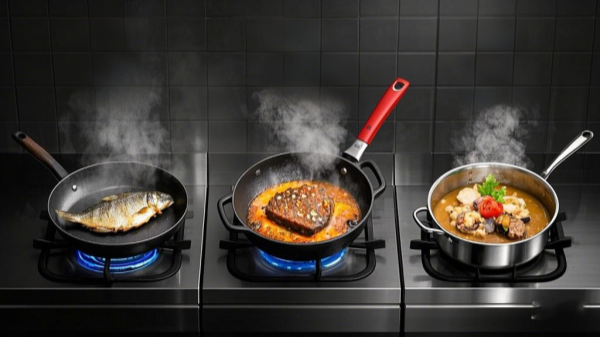
Choosing the Right Wok Size
Selecting an appropriately sized wok is crucial for optimal cooking performance. The size you choose will depend on your cooking habits, the number of servings you typically prepare, and the type of stove you use. Consider the following options:
- 12 inches (30 cm): Best for single servings or small households.
- 14 inches (35 cm): A versatile option for families of four or those who enjoy cooking a variety of dishes.
- 16 inches (40 cm) and above: Ideal for large families or for preparing dishes in large quantities, such as during parties or gatherings.
When selecting a wok, ensure it fits your stovetop and storage space. A well-chosen wok not only improves your cooking efficiency but also provides a reliable surface for stir-frying, steaming, and deep-frying.
Wok Maintenance and Care
Seasoning Your Wok
Seasoning is the process of preparing your wok’s surface to develop a natural non-stick coating. This step is essential, especially for carbon steel and cast iron woks. Follow these steps for a proper seasoning:
- Clean the wok with warm water and a mild detergent to remove any factory residues.
- Dry the wok thoroughly over low heat.
- Apply a thin layer of high-smoke point oil (such as vegetable or flaxseed oil) evenly over the interior.
- Heat the wok until the oil begins to smoke, forming a protective patina.
- Allow the wok to cool and repeat the process 2-3 times for optimal results.
Cleaning and Storage
Proper cleaning and storage will extend your wok’s life and maintain its cooking performance. Here are some best practices:
- Avoid harsh detergents: Instead, rinse the wok with warm water and use a soft sponge to clean it gently.
- Dry immediately: Prevent rust by thoroughly drying your wok after every use.
- Store properly: Hang your wok or place it in a dry area to maintain its seasoning and avoid moisture buildup.
Following these simple steps can ensure that your wok remains a reliable companion in the kitchen for years to come.
Restaurants and retailers benefit from our bulk pricing and customizable branding woks. Enjoy consistent performance in busy kitchens or offer customers premium cookware that combines effortless maintenance with stylish design.
Cooking Techniques and Recipes
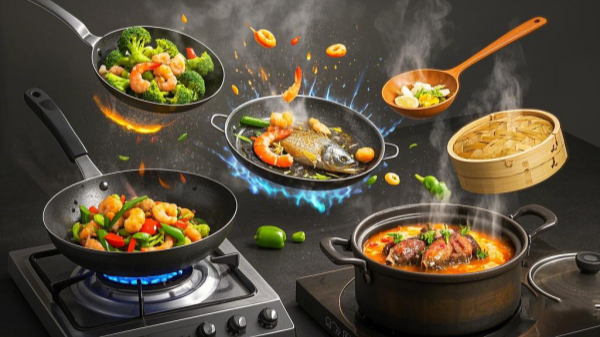
The wok’s design allows for a multitude of cooking techniques, making it one of the most versatile tools in any kitchen. Its high sides and broad surface are perfect for quick, high-heat cooking as well as slow simmering and braising. Let’s explore some popular methods:
Versatile Cooking Methods
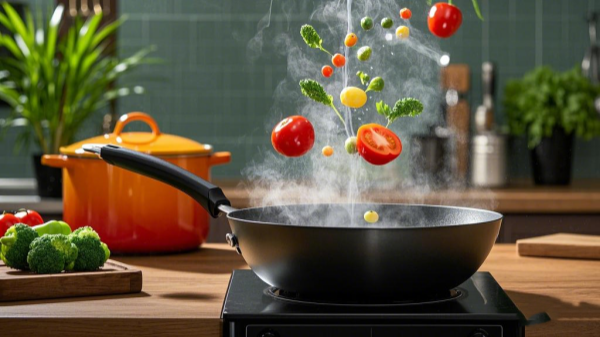
- Stir-Frying: Perhaps the most popular method, stir-frying involves cooking ingredients quickly over high heat while constantly stirring. This technique seals in flavors and retains the crispness of vegetables.
- Deep-Frying: The wok’s deep structure makes it suitable for deep-frying. Its design ensures even cooking, resulting in crispy exteriors and tender interiors.
- Steaming: Traditional steaming using a bamboo steamer inside the wok is ideal for delicate foods like dumplings and fish, preserving nutrients and flavor.
- Braising: Combining searing with slow cooking, braising in a wok is perfect for dishes that benefit from tenderizing tougher cuts of meat.
Recipe Recommendations
To bring these techniques to life, here are some tried-and-true recipes that showcase the wok’s versatility:
- Beef and Broccoli Stir-Fry: A classic dish that pairs tender beef slices with crisp broccoli, all cooked rapidly over high heat to preserve flavor and texture.
- Saucy Mushroom Stir-Fry: Ideal for vegetarians, this dish features an assortment of mushrooms stir-fried in a rich, umami sauce that perfectly complements their natural flavors.
- Chicken Pad Thai: This vibrant noodle dish utilizes the wok's quick-cooking ability to mix flavors of sweet, tangy, and spicy in a harmonious balance.
- Pineapple Fried Rice: A delightful mix of savory rice, fresh pineapple chunks, and crunchy vegetables that demonstrates the wok’s ability to create a dish bursting with contrasts in flavor and texture.
Each recipe is designed to take full advantage of the wok’s unique properties, ensuring that every meal is a flavorful experience that resonates with both tradition and innovation.
The Aesthetics of Wok Colors in Kitchen Design
The visual appeal of your kitchen is just as important as its functionality. Modern culinary trends show that cookware can be a significant design element. The color of your wok not only reflects your personal style but also enhances the overall ambience of your kitchen.
For instance, a yellow wok has gained popularity for its vibrant and energetic presence. Yellow, a color often associated with warmth and optimism, can brighten up a kitchen and serve as a striking focal point. Whether your kitchen style is modern, rustic, or eclectic, a yellow wok can be a conversation starter while also reminding you of the rich culinary heritage behind this timeless cooking tool.
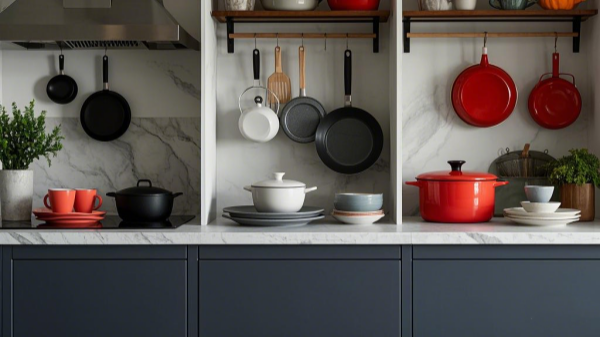
In addition to yellow, other colors such as deep red, charcoal black, and even pastel shades are making their way into modern cookware design. When selecting a wok, consider how its color will blend with your kitchen decor. A cohesive color scheme can elevate your cooking space, making it both functional and visually appealing. Here are a few tips to ensure your cookware complements your kitchen:
- Contrast or Complement: Choose a wok color that either contrasts with your kitchen walls to create a focal point or complements them to maintain harmony.
- Mix and Match: Consider a set of woks in different colors that can be arranged as part of your open shelving or countertop display.
- Seasonal Updates: If you like changing your kitchen's look seasonally, opt for cookware with interchangeable colored accents.
Conclusion
In conclusion, mastering the wok goes beyond simply purchasing a pan—it is about understanding the materials, sizes, maintenance practices, and cooking techniques that come together to create an unparalleled culinary experience. By investing in the right type of wok, from a quick-heating carbon steel to a robust cast iron option, you empower yourself to explore a myriad of cooking styles, from high-heat stir-frying to delicate steaming.
Soup Pots Unveiled: Your Key to Perfect Stews, Soups, and More
7 qt Nonstick Soup Pot Essentials: Efficiency, Durability & Versatility Uncovered