Non-Toxic Cookware Guide: How to Spot Safe Pans (HexClad, Caraway & More)
Key Takeaways
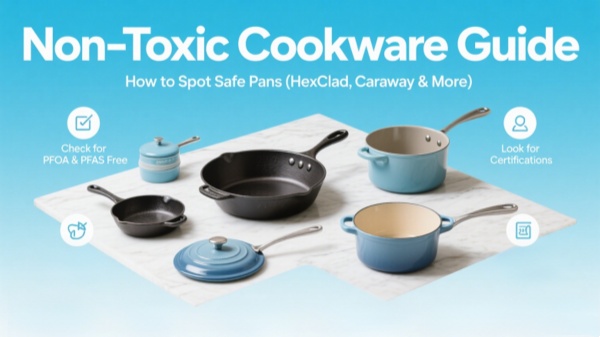
- Check for harmful substances: Avoid PFOA, PFAS, and non-food-grade metals (201/430 stainless steel).
- Trust certifications: FDA, LFGB, and Prop 65 compliance indicate safer cookware.
- HexClad, Caraway, and Le Creuset are confirmed non-toxic; GreenPan is safe but needs careful maintenance.
- New pans with strong odors or peeling coatings may pose risks—stop using them immediately.
Have you ever wondered if that new non-stick pan is secretly releasing chemicals into your food? From Teflon breakdown at high temperatures to heavy metal leaching in cheap pots, cookware safety directly impacts your daily health. As discussed in Reddit's r/KitchenConfidential, users often share stories of "mysterious headaches after using budget non stick pan"—but identifying safe options doesn't require a chemistry degree. This guide breaks down 3 easy ways to spot non-toxic cookware and analyzes four popular American brands to help you shop smarter.
3 Practical Ways to Check if Your Cookware Is Non-Toxic
With so many "safe" labels on the market, it's hard to tell marketing from reality. These methods—used by home cooks on Quora and verified by consumer experts—cut through the noise.
1. Inspect the Material: Avoid These Red Flags
Not all materials are created equal. Here's what to watch for:
- Non-stick pans: Look for "PFOA-free" and "PFAS-free" labels. While PFOA was banned in the U.S. in 2014, many brands still use PFAS (a family of harmful chemicals) as alternatives. As noted in Reddit's r/Cooking, "ceramic non-stick" is a safer bet if you see these terms missing.

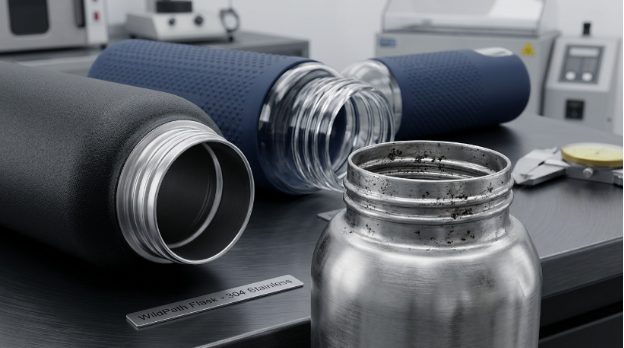
- Metal cookware: Stainless steel should specify "304" or "316" (food-grade). Avoid 201 or 430 stainless steel—these often contain excessive manganese, which can leach into food. Cast iron is generally safe but needs seasoning to prevent rust (per Quora's top-rated answers).
- Enameled cookware: The interior enamel (which touches food) must be lead- and cadmium-free. Dark-colored enamels (red, orange) pose higher risks in cheap brands, according to Consumer Reports tests. Stick to light-colored interiors when possible.
2. Check for Trusted Certifications
Labels matter—if they're from reputable organizations:
- FDA Certification: The baseline standard for food contact materials in the U.S. Any cookware sold legally should meet this, but it's just the minimum.
- LFGB Certification (Germany): Stricter than the FDA, it tests for smaller amounts of leached substances. As one Quora user put it, "I only buy LFGB-certified pans for my baby's food—worth the extra cost."
- Prop 65 Compliance: California's Proposition 65 requires warning labels for products with known carcinogens. If a pan sold in California lacks this label, it may be hiding something (a common topic in Reddit's r/Frugal).
3. The "Sensory Test": Use Your Senses to Spot Risks
You don't need lab equipment to detect issues. Try these quick checks:
- Smell test: Heat an empty pan on low for 1 minute. A strong chemical or plastic-like odor means unstable coatings—discard it, advises Consumer Reports.

- Visual check: Peeling or chipping non-stick coatings are dangerous—bits can mix into food. For enameled pans, cracks in the interior mean metal may leach out.
- Taste test: If food tastes metallic (and it's not supposed to), the pan is likely leaching metals. This is common in worn aluminum or low-quality stainless steel (per Reddit's r/HomeCooking discussions).
3 Myths About "Non-Toxic" Cookware to Ignore
Even experienced cooks fall for these—let's set the record straight.
Myth 1: "All 'PFOA-Free' Pans Are Safe"
False. PFOA is just one harmful chemical in the PFAS family. As Caraway's explicitly states, "PFOA-free doesn't mean safe—we're 100% PFAS-free." Many budget brands hide behind "PFOA-free" labels while using other PFAS compounds, which build up in the body over time (a point emphasized in multiple Quora debates).
Myth 2: "Enameled Cookware Can't Have Lead"
False. While reputable brands like Le Creuset test for lead, cheaper enameled pans often fail. A 2023 Consumer Reports study found 12% of budget enameled Dutch ovens had detectable lead in interior coatings. "Stick to brands that publish third-party test results," advises a top Reddit comment in r/BuyItForLife.

Myth 3: "Heavier Pans Are Always Safer"
False. Weight has nothing to do with toxicity. A lightweight 304 stainless steel pan is safer than a heavy 201 stainless steel one. As one Quora user joked, "My grandma's 5-pound cast iron is safe, but so is my 1-pound ceramic pan—safety isn't about muscle."
People Also Ask: Are These 4 Popular Brands Non-Toxic?
Based on brand specs, third-party tests, and user feedback from Reddit, Quora, and Amazon, here's the truth:
Q: Is HexClad cookware non-toxic?
A: Yes. HexClad's hybrid coating (stainless steel + ceramic) is free of PFOA, PFAS, lead, and cadmium, with FDA and LFGB certifications. Reddit users in r/Cooking praise its stability—"No weird smells even when searing at 500°F"—though some note minor scratching after 6+ months (no safety risk).
Q: Is Caraway cookware safe for daily use?
A: Absolutely. Caraway's ceramic coating is explicitly free of PFOA, PFAS, lead, and cadmium. Its enameled cast iron is third-party tested for heavy metals. Quora users highlight it as "family-safe—we use it for everything from eggs to stews without concerns."
Q: Does Le Creuset contain lead or toxins?
A: No. Le Creuset's interior enamel is lead- and cadmium-free, confirmed by Consumer Reports tests. The exterior glaze may have trace lead, but it doesn't touch food. As noted in Reddit's r/cooking, "My Le Creuset Dutch oven is 8 years old—still no issues, and I use it weekly."
Q: Is GreenPan non-toxic and durable?
A: Mostly safe, but with caveats. GreenPan's Thermolon ceramic coating is PFOA-free, but Amazon and Reddit reviews mention coating peeling after 1-2 years of heavy use—stop using it if this happens. Their newer "Venice Pro" line with reinforced coating is more durable, per recent feedback.
Final Tips: Keep Your Cookware Safe Long-Term
Even non-toxic cookware can become unsafe without proper care. Follow these habits from seasoned home cooks:
- Never preheat empty non-stick pans—high heat breaks down coatings, even "heat-resistant" ones.
- Use silicone or wooden utensils on non-stick surfaces to avoid scratches.
- For enameled cast iron, boil a vinegar-water mix (1:3 ratio) before first use—if the interior discolors, it may leach metals.
- Replace non-stick pans every 2-3 years (or sooner if damaged), as coatings degrade over time (a tip from Quora's cooking experts).
By combining material checks, certification reviews, and common-sense tests, you can ensure your cookware supports—rather than harms—your health. When in doubt, stick to brands with transparent safety claims and positive long-term reviews from communities like Reddit and Quora. Your next meal (and body) will thank you.
How to Identify Truly Non-Toxic Cookware: A Comprehensive Guide
Frying Pan Sizes Decoded: How to Measure & Choose the Right Fit