Not All Deep Frying Pans Are Created Equal: How to Find the Best One for Your Kitchen
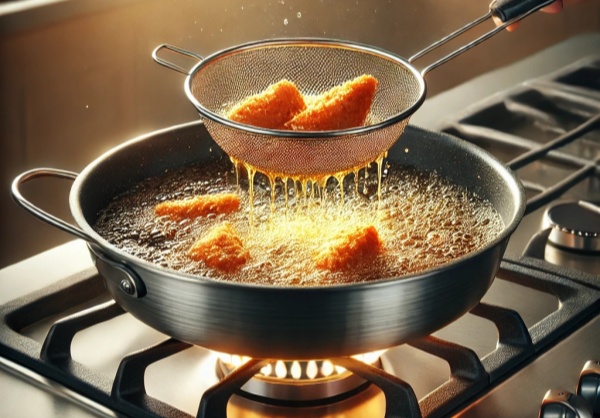
When it comes to deep frying, not just any pan will do. The right deep frying pan can mean the difference between perfectly crispy, golden-brown food and a frustrating cooking experience. With so many options on the market, choosing the perfect one might seem overwhelming. But don’t worry—this guide will break down the essential factors to consider, from materials to size and must-have features, ensuring that you pick the best deep frying pan for your kitchen.
Material Matters: What Sets Each Type Apart?
Not all deep frying pans are created equal—different materials affect heat distribution, cooking performance, and durability. Here’s what you need to know:
| Material | Advantages | Disadvantages |
|---|---|---|
| Non-Stick Coating |
|
|
| Cast Iron |
|
|
| Stainless Steel |
|
|
| Tri-Ply or Multi-Layer |
|
|
Each material has its pros and cons, so choosing the right one depends not only on cooking style and maintenance preferences but also on understanding your target customers—a crucial factor for any B2B seller. Knowing who your end users are will help you stock the right deep frying pans and maximize sales.
Size and Depth: One Size Does Not Fit All
Choosing the right size and depth is just as important as selecting the right material. A pan that’s too small may lead to overcrowding and uneven frying, while one that’s too large might waste oil and take up too much space.
How to Pick the Right Size for Your Needs
- Small (8-10 inches) – Ideal for individuals or small households; great for frying small portions.
- Medium (10-12 inches) – A versatile size suitable for most families, allowing multiple pieces to fry at once.
- Large (12+ inches) – Best for big families or batch cooking, ensuring you can fry large quantities efficiently.
Depth: Why It Matters
- Shallow Pans (2-3 inches deep) – Good for sautéing and pan-frying but not ideal for deep frying due to oil splattering.
- Medium Depth (3-4 inches deep) – A balance between frying and sautéing, providing enough oil depth for crispy results.
- Deep Pans (4-6 inches or more) – The best choice for deep frying, as they reduce oil splashing and ensure even cooking.
Essential Features: What Makes a Deep Frying Pan Stand Out?
Beyond size and material, certain features can enhance your frying experience and make cooking safer and more convenient.
Compatibility with Different Stove Types
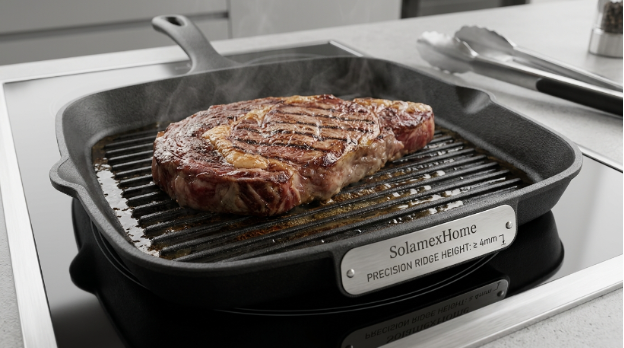
- Gas Stoves – Most materials work well, but cast iron and stainless steel perform best.
- Electric Stoves – Non-stick and stainless steel provide even heating.
- Induction Cooktops – Requires magnetic materials like stainless steel or cast iron.
Deep Frying Pans with Baskets: A Game-Changer?
- Allows easy draining of fried food, reducing excess oil.
- Prevents direct contact with the pan, reducing the risk of burning.
- Useful for blanching or steaming before frying.
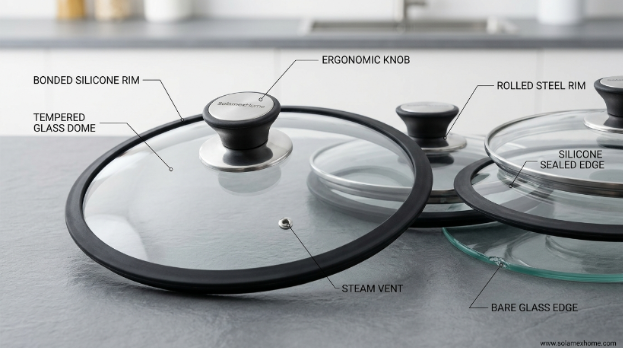
Why a Lid Can Be a Lifesaver
- Helps retain heat and speeds up cooking time.
- Minimizes oil splattering, keeping your kitchen cleaner.
- Useful for simmering dishes after frying.
Silicone Handles: Comfort Meets Safety
- Provides a comfortable grip and prevents burns.
- Stays cool during cooking for safer handling.
- Offers better control when moving or lifting the pan.
Conclusion: Finding the Best Deep Frying Pan for Your Kitchen
With so many deep frying pans available, it’s clear that not all of them are created equal. Choosing the right one comes down to understanding what works best for your cooking habits, kitchen setup, and personal preferences. Whether you prioritize durability, heat retention, or ease of cleaning, selecting the right material, size, and features will help you achieve perfect frying results every time.
So, before you make your next purchase, ask yourself: Does this pan meet my needs? With the right deep frying pan, you can cook up crispy, delicious meals effortlessly—because great frying starts with the right tools!
Best Practices for Deep Frying Pans: Temperature Control, Maintenance & Longevity