Outdoor Frying Pan Mastery: Essential Guide for Camping & Outdoor Cooking
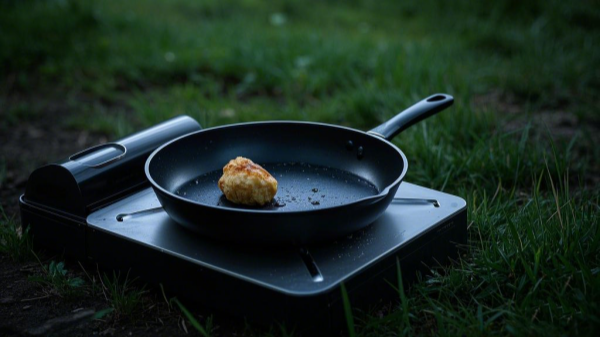
With the growing popularity of outdoor activities such as camping, picnics, and hiking, the need for portable and efficient cooking tools has never been greater. Outdoor frying pans play a vital role in these settings, allowing enthusiasts to prepare delicious meals in challenging conditions.
In this comprehensive guide, we will explore every aspect of outdoor frying pans—from understanding their unique design requirements to choosing the right material, maintaining them in the field. Whether you are a seasoned camper or a beginner planning your first outdoor adventure, this guide will empower you with expert insights and practical tips.
2. Overview of Outdoor Frying Pans
Outdoor frying pans are specifically designed to withstand the rigors of outdoor cooking. Unlike their indoor counterparts, these pans must endure unpredictable weather, uneven heat sources, and the need for portability. Key features include a durable build, fast heat conduction, and non-stick surfaces to facilitate quick and efficient meal preparation.
Their versatility makes them perfect for various outdoor scenarios—from cooking a hearty breakfast on a camping trip to preparing a quick snack during a hiking break. Moreover, the design of outdoor frying pans is optimized for both ease of use and safe handling, ensuring that even under extreme conditions, you can cook without compromise.
3. Material Selection and Comparison
Choosing the right material for an outdoor frying pan is critical. The most common materials include aluminum alloy, titanium alloy, stainless steel, and cast iron. Each has its own advantages and limitations, but for outdoor enthusiasts, the material that often stands out is aluminum alloy.
Material Comparison Table
| Material | Weight | Heat Conduction | Durability | Cost |
|---|---|---|---|---|
| Aluminum Alloy | Very Light | Fast and Even | Good (with proper coating) | Low to Moderate |
| Titanium Alloy | Ultra Light | Moderate | Excellent | High |
| Stainless Steel | Heavy | Slow | Very Durable | Moderate to High |
| Cast Iron | Very Heavy | Good (but uneven) | Excellent | Moderate |
As seen in the table, aluminum alloy stands out for its lightweight nature and excellent heat conduction. These properties are particularly beneficial for outdoor use, where minimizing weight and ensuring quick, even heating can make a significant difference in your cooking experience.
4. Design and Functional Highlights
Outdoor frying pans are engineered with several functional features that set them apart from traditional kitchen pans. One of the primary design elements is the use of advanced non-stick coatings, such as PTFE or ceramic, which ensure that food does not stick and that cleaning is effortless.
Additionally, these pans are designed for optimal heat distribution. A well-designed outdoor pan will have a base that heats up quickly and distributes heat evenly, reducing the risk of hot spots and burnt food. Portability is also a key design consideration, meaning that many outdoor frying pans are compact, lightweight, and feature folding handles or nesting capabilities for easy storage.
5. How to Choose the Right Outdoor Frying Pan
When selecting an outdoor frying pan, consider the following factors:
- Activity Type: Choose a pan that matches your outdoor activity—lightweight models for hiking and robust ones for car camping.
- Material: Opt for a material that balances weight and heat conduction. As discussed, aluminum alloy is an excellent choice for most outdoor needs.
- Capacity: Consider the size and capacity you require. A larger pan is ideal for group camping, while a smaller pan might be perfect for solo adventures.
- Price: Evaluate your budget. While premium materials like titanium offer unmatched durability, aluminum offers a cost-effective solution without sacrificing performance.
- User Reviews: Look for products with positive feedback from outdoor enthusiasts to ensure reliability and performance in real-world conditions.
Balancing these factors will help you choose an outdoor frying pan that not only meets your cooking requirements but also enhances your overall outdoor experience.
6. Usage, Cleaning, and Maintenance Tips
Using an outdoor frying pan effectively under challenging conditions involves more than just cooking. Proper usage, cleaning, and maintenance are crucial to ensure longevity and optimal performance.
Usage Tips in Outdoor Conditions
When cooking outdoors, preheat your pan gradually using a moderate flame or heat source. This helps achieve a uniform temperature and minimizes the risk of thermal shock. Avoid using high heat immediately as it may damage the non-stick coating or warp the pan.
Cleaning Tips
After each use, let your pan cool down naturally before cleaning it with warm water and mild dish soap. For stubborn residues, use a soft sponge or non-abrasive brush. Avoid using harsh scrubbers or steel wool as they can damage the pan’s surface.
In outdoor environments, it is advisable to rinse the pan thoroughly to remove any food particles or grease, which can attract insects or lead to unpleasant odors. Dry the pan completely before storing it to prevent rust formation, especially if you are using pans with metal components.
Maintenance Guidelines
Regular maintenance is key for long-lasting performance. Periodically check the non-stick coating for any signs of wear and avoid using metal utensils which can scratch the surface. If the coating begins to deteriorate, consider re-seasoning the pan with a thin layer of cooking oil to restore its protective barrier.
Moreover, store your outdoor frying pan in a dry, cool place. Using a protective bag or case during transport can help prevent scratches and dents. Following these simple tips will not only keep your pan in excellent condition but also ensure it delivers consistent performance during all your outdoor adventures.
7. Hot Product Recommendations and Case Studies
2C Market: Top Brands for Personal Use
- Swiflon: Lightweight aluminum pans with non-stick coatings, ideal for compact storage.
- Fire-Maple: Known for rapid heat conduction and easy cleanup in outdoor settings.
- Coleman: Affordable stainless steel models offering stability and even heating.
- Lixada: Titanium alloy pans (ultra-light, ~400g) for backpackers prioritizing weight reduction.
- Lightweight Aluminum Construction: Optimized for portability without compromising durability.
- Cost-Effective Bulk Pricing: Competitive rates for large orders, reducing per-unit costs significantly.
- Customized Design: Features like foldable handles and uniform sizing simplify logistics for commercial use.
Are outdoor frying pans really more suitable for outdoor cooking than regular pans?
Yes, outdoor frying pans are specifically designed to handle unpredictable weather and uneven heat sources, making them ideal for camping and picnicking.
How should I clean and maintain my outdoor frying pan?
Always let your pan cool before washing with warm water and mild soap. Use non-abrasive tools and ensure the pan is completely dry before storage to prevent rust.
What is the safest material for outdoor frying pans?
While each material has its pros and cons, many outdoor enthusiasts prefer aluminum alloy for its lightweight and fast, even heat conduction.
How can I tell if a pan is worth purchasing?
Look for products with positive user reviews, check the manufacturer’s reputation, and ensure the pan meets your specific outdoor needs in terms of weight, durability, and performance.
9. Conclusion and Recommendations
In conclusion, choosing the right outdoor frying pan can greatly enhance your outdoor cooking experience. By considering factors such as material, design, ease of cleaning, and maintenance, you can select a pan that not only performs efficiently but also lasts for many adventures to come.
We encourage you to explore the options available and consider the expert tips provided in this guide. If you have any questions or would like to share your experiences, feel free to leave a comment below. Happy cooking and safe adventures!
About Outdoor Frying Pan Buying Guide: From Materials to Scenarios, Solving All Your Camping Cooking Challenges
Outdoor Frying Pans: Lightweight Aluminum Cooking for Camping and Beyond