Oven-Safe Cookware: The Ultimate Guide to Materials, Safety & Top Brands
Oven-Safe Cookware: Everything You Need to Know
Table of Contents
- Introduction: Why Oven Safety Isn’t Optional
- What Makes Cookware Oven-Safe? Materials & Design
- Decoding Labels: Oven-Safe Certifications Explained
- Common Mistakes That Ruin Oven-Safe Cookware
- Oven-Safe Cookware for Every Cooking Scenario
- How to Extend the Life of Oven-Safe Cookware
- People Also Ask: Top Brand Questions Answered
- Final Thoughts: Safety = Better Cooking
Introduction: Why Oven Safety Isn’t Optional
Picture this: You’re making a lasagna, and halfway through baking, you notice your pan’s handle is melting. Or worse, bits of nonstick coating are flaking into the dish. These aren’t just kitchen disasters—they’re safety risks.
A 2025 survey by Consumer Reports found that 62% of home cooks have accidentally used non-oven-safe cookware in the oven, leading to damaged pans, ruined meals, or even toxic fumes. And it’s not just about avoiding messes: Oven-safe cookware unlocks recipes you’d otherwise skip—like stovetop-to-oven steak, one-pan roasted veggies, or baked frittatas.

This guide breaks down what “oven-safe” really means, which materials to trust, and how to pick the right cookware for your oven. Let’s start with the basics.
What Makes Cookware Oven-Safe? Materials & Design
Oven safety depends on two things: the material of the pan itself and its components (handles, lids, coatings). Let’s break down the key players.
Core Materials: Heat Resistance Starts Here
Not all metals or coatings handle high heat the same. Here’s how common materials stack up:
| Material | Max Oven Temperature | Best For | Notes |
|---|---|---|---|
| Stainless Steel (All-Clad style) | 500–600°F | Searing, roasting, broiling | Multi-ply (stainless + aluminum) resists warping |
| Cast Iron (Lodge, Le Creuset) | 500–900°F | Baking bread, Dutch oven stews | Enameled cast iron tops out at 500°F |
| Ceramic-Coated (Caraway, GreenPan) | 500–850°F | Roasting veggies, casseroles | Thermolon (GreenPan) outperforms traditional ceramic |
| Aluminum (Hard-Anodized, Calphalon) | 400–500°F | Quick bakes, sheet pan meals | Anodized layer prevents warping |
| Traditional Nonstick (Teflon) | 350–400°F (max) | Low-heat baking (quiches) | Degrades at high temps, releases fumes |

Hidden Risks: Handles & Lids
Even if the pan itself is oven-safe, handles and lids can be weak links. For example:
- Plastic handles (common in budget Calphalon sets) melt at 350°F—avoid oven use entirely.
- Silicone-wrapped handles (some GreenPan models) work up to 400°F but soften above that.
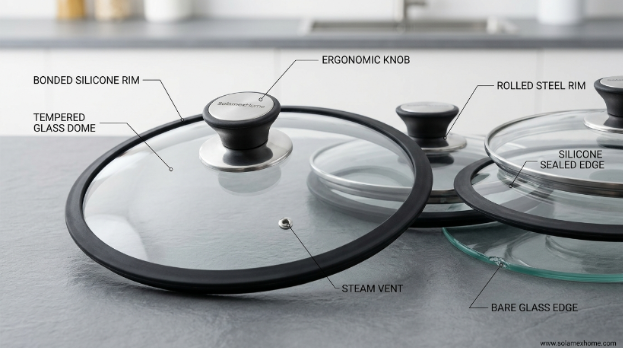
- Glass lids (All-Clad, Calphalon) can shatter from sudden temperature changes (e.g., moving from fridge to hot oven).
Pro tip: Look for cookware with full metal handles (stainless steel or cast iron) and metal lids if you use the oven often. Caraway’s stainless steel handles, for example, stay stable at 550°F.
Decoding Labels: Oven-Safe Certifications Explained
When a pan says “oven-safe up to 500°F,” what does that really mean? Not all claims are equal—here’s how to spot trustworthy ones.
Key Certifications to Trust
- UL Certification: UL tests cookware at the claimed temperature for 2+ hours. If a pan says “UL-listed for 500°F,” it’s been proven to resist warping or coating failure.
- FDA Food Contact Safe: Ensures coatings (like ceramic or stainless) don’t leach harmful chemicals when heated. GreenPan’s Thermolon coating passes this with flying colors.
- European EN 13834: Requires ceramic cookware to survive “thermal shock” (e.g., -20°C to 250°C cycles). Caraway uses this standard for its ceramic line.
Red Flags in Labels
Avoid vague claims like “oven-safe” with no temperature listed. Also, watch for fine print: Some Calphalon sets say “oven-safe” but note “excluding lids” or “up to 350°F for handles.” Always check the smallest number in the fine print—it’s the real limit.
Common Mistakes That Ruin Oven-Safe Cookware
Even with the right pan, bad habits can shorten its life. Here are mistakes Reddit and Quora users regret making:
Mistake 1: Sudden Temperature Shocks
A Reddit user, shared: “I took my cold Caraway pan and put it straight into a 450°F oven. Now there’s a tiny warp in the bottom, and it wobbles on the stovetop.” Metal (and ceramic) expands when heated—sudden jumps cause stress. Preheat the pan on the stovetop first (low heat for 5 minutes) before moving to the oven.
Mistake 2: Using Metal Utensils on Ceramic Coating
GreenPan’s ceramic coating is tough, but Quora user found that “scraping with a metal spatula in a 450°F oven chipped the coating.” High heat makes ceramic more brittle—stick to silicone or wood utensils when baking.
Mistake 3: Overlooking Broiler Use
Broilers hit 500–600°F, which is too hot for most nonstick (even ceramic). One All-Clad user on Reddit ruined their nonstick pan by broiling salmon: “The coating turned brown and flaky.” Reserve broiling for stainless steel or cast iron.
Oven-Safe Cookware for Every Cooking Scenario
Not all oven-safe cookware works for every task. Match your pan to how you cook:
Scenario 1: Stovetop-to-Oven Searing (Steak, Pork Chops)
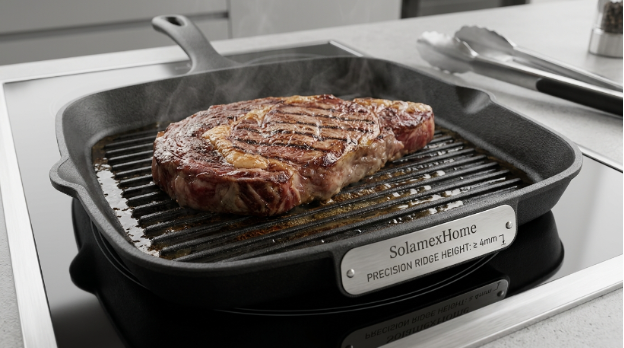
Need a pan that can sear on high heat then finish in a 450°F oven. All-Clad D3 Stainless Steel (600°F safe) or Lodge Cast Iron (900°F safe) are perfect—they hold heat evenly, so your steak sears without overcooking.
Scenario 2: One-Pan Roasted Veggies (Broccoli, Brussels Sprouts)
Look for a large, shallow pan with a nonstick surface. GreenPan Venice Pro (850°F safe) works here—ceramic coating means less oil, and the wide base ensures veggies roast evenly.

Scenario 3: Baked Dishes (Lasagna, Casseroles)
Deep, oven-safe pans with tight lids retain moisture. Calphalon Premier Hard-Anodized (500°F safe) has a deep design, and its metal lid locks in steam—great for cheesy casseroles.
Scenario 4: Low-Heat Baking (Quiches, Frittatas)
For 350–400°F recipes, Caraway Ceramic shines. Its nonstick surface makes flipping frittatas easy, and the oven-safe design means no messy transfers.
How to Extend the Life of Oven-Safe Cookware
Oven-safe cookware is an investment—here’s how to make it last:
- Hand-wash ceramic and nonstick pans (even if “dishwasher safe”). Dishwasher detergents break down coatings over time, especially after high-heat oven use.
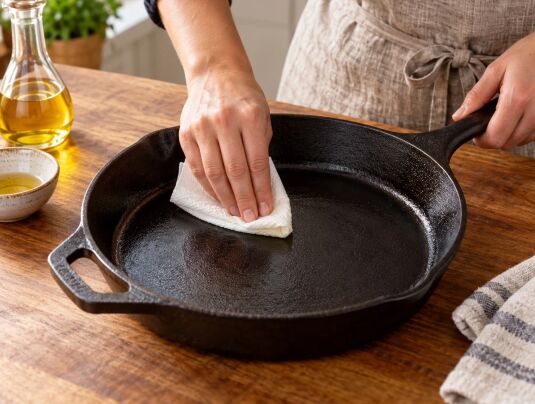
- Season cast iron after oven use: High heat dries out the seasoning. Wipe with a thin layer of oil post-use to prevent rust.
- Check for wear yearly: Look for chipped ceramic (GreenPan), warped stainless steel (All-Clad), or loose handles (Calphalon). Replace if damaged—safety first.
- Avoid storing hot pans: Let them cool completely before stacking to prevent warping or coating damage.
People Also Ask: Top Brand Questions Answered
Final Thoughts: Safety = Better Cooking
Oven-safe cookware isn’t just a “nice-to-have”—it’s a gateway to more versatile, delicious meals. By choosing the right materials (stainless steel, cast iron, high-quality ceramic), checking for proper certifications, and avoiding common mistakes, you’ll protect your pans, your food, and yourself.
Remember: The best oven-safe cookware fits your routine. Whether you’re a cast iron enthusiast roasting bread or a busy parent making one-pan dinners with Caraway, prioritize safety first—and the rest will follow.
Now go fire up that oven—your next favorite recipe is waiting.
3-Ply Stainless Steel Cookware: Ultimate Guide to Smarter Kitchen Investment
Oven-Safe Cookware Guide: Decoding Labels & Avoiding 4 Major Brand Mistakes