Perfect Your Pizza: A Comprehensive Guide to Choosing the Ideal Pizza Pan for Every Kitchen
Introduction
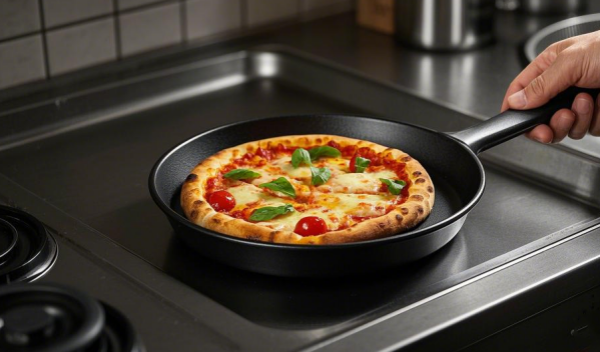
Pizza is one of the most beloved dishes worldwide, and the right cookware can make all the difference in achieving that perfect crust and melt-in-your-mouth flavor. Whether you are a home cook striving for restaurant-quality results or a professional chef in a busy kitchen, selecting the right pizza pan is essential. In this comprehensive guide, we will explore the key considerations for choosing a pizza pan, including size, design, material, heat distribution, and maintenance. By the end of this article, you will have all the insights you need to make an informed decision and elevate your pizza-making game.
Key Considerations When Choosing a Pizza Pan
When it comes to selecting the ideal pizza pan, several factors come into play. Understanding these elements will help you determine which pan best suits your cooking style and needs.
1. Size and Capacity
Pizza pans come in various sizes, and the right size depends largely on your serving needs and the type of pizza you intend to make.
- Personal vs. Family Size: Personal pizza pans (typically 10-12 inches) are perfect for single servings, while larger pans (14-20 inches) are ideal for family-sized pizzas or for sharing.
- Deep Dish vs. Thin Crust: Deep dish pizza pans are designed with higher sides, allowing for a thicker crust and more toppings, often used for Chicago-style pizzas. In contrast, traditional pan pizza pans tend to be shallower, creating a thinner, chewier crust.
2. Design and Shape
The design and shape of a pizza pan can significantly affect your pizza’s texture and overall cooking outcome.
- Flat vs. Deep Pans: Flat pans are best for achieving a crispy, evenly baked crust, while deep pans can hold more toppings and create a softer interior with a crunchier edge.
- Perforated Bottoms: Some pizza pans feature perforations or holes in the bottom, which allow for better airflow and can result in a crisper crust by letting excess moisture escape during baking.
- Edge Design: High, raised edges help contain the ingredients and prevent spills, while low edges can allow for more even heat distribution.
3. Material and Build Quality
Different materials offer distinct advantages and drawbacks. The choice of material affects heat conduction, durability, and overall performance.
| Material | Advantages | Disadvantages | Best For |
|---|---|---|---|
| Aluminum |
|
|
Neapolitan-style thin crust |
| Stainless Steel |
|
|
Deep-dish & frozen pizzas |
| Cast Iron |
|
|
Detroit-style thick crust |
| Carbon Steel |
|
|
Artisan wood-fired pizzas |
4. Surface Coatings and Nonstick Properties
Surface treatments can greatly enhance the cooking experience by improving food release and simplifying cleanup.
- Nonstick Coatings: Pans with PTFE or ceramic nonstick coatings allow you to use less oil and make cleaning easier. Look for products that are PFOA- and PFAS-free to ensure health safety.
- Anodized Surfaces: Anodized aluminum pans offer a durable, non-reactive surface that prevents leaching of aluminum, making them a popular choice for health-conscious cooks.
- Durability: Evaluate the longevity of the coating. Some coatings are prone to scratching and may need to be replaced sooner than others. This factor should influence your buying decision, especially if you plan heavy use.
5. Compatibility and Versatility
Finally, consider how versatile the pizza pan is in your cooking setup.
- Oven and Stove Compatibility: Many pizza pans are designed for both oven use and stovetop use, allowing you to finish a pizza under a broiler or in a conventional oven. Ensure the pan is compatible with your cooking appliances.
- Induction Cooktops: If you have an induction stove, check that the pan is magnetic or specifically designed for induction cooking.
- Multi-Purpose Use: Some pizza pans can double as baking trays or even for roasting vegetables, adding extra value to your purchase.
Performance and Cooking Outcomes
The design and material of your pizza pan can have a significant impact on the final product. A pan that heats evenly and retains moisture properly will help create a well-balanced pizza with a crispy crust and a tender interior. For instance, deep dish pans tend to produce a thicker, softer interior with a crunchy edge, whereas perforated pans can help in achieving a uniformly crispy base.
Understanding these differences is key to selecting the right pan for your desired pizza style—whether you prefer the classic New York-style thin crust, the hearty Chicago deep dish, or even personal pan pizzas with specific nutritional profiles.
Care, Maintenance, and Longevity
Proper maintenance of your pizza pan ensures that it continues to perform well over time. Here are some essential tips:
- Regular Cleaning: After each use, clean your pan with mild detergent and a non-abrasive sponge. Avoid harsh chemicals that may damage nonstick coatings.
- Proper Storage: Store your pizza pan in a dry area and avoid stacking heavy items on top, which can scratch or warp the surface.
- Maintenance of Coatings: For nonstick or anodized pans, use only silicone, wood, or nylon utensils. Periodically re-season your pan if recommended by the manufacturer to maintain its protective layer.
- Inspection: Regularly inspect your pan for signs of wear or damage. Early detection of scratches or coating deterioration will help prevent further damage and extend the life of your cookware.
Conclusion and Final Recommendations
Choosing the perfect pizza pan requires a careful evaluation of several key factors: size, design, material, surface treatment, and compatibility with your cooking methods. Whether you are making a traditional deep dish pizza, a personal pan pizza, or a thin-crust creation, the right pan can significantly impact your culinary results.
For home cooks looking for versatility and ease of use, a medium-sized, anodized aluminum pizza pan with a perforated bottom might offer the perfect balance between a crispy crust and ease of cleaning. Professionals and B2B buyers, on the other hand, may prefer a heavy-duty stainless steel or cast iron option for high-volume use and longevity.
Ultimately, the best pizza pan is one that aligns with your cooking style, budget, and nutritional goals. Explore our internal guides on cookware maintenance and check out our detailed Pizza Pan Reviews for further insights and product recommendations.
Pizza Pan 101: Understanding Design, Materials, and Their Culinary Impact
Beyond Non-Stick: Why Die-Cast Aluminum Dominates Professional Kitchens