Pizza Pan 101: Understanding Design, Materials, and Their Culinary Impact
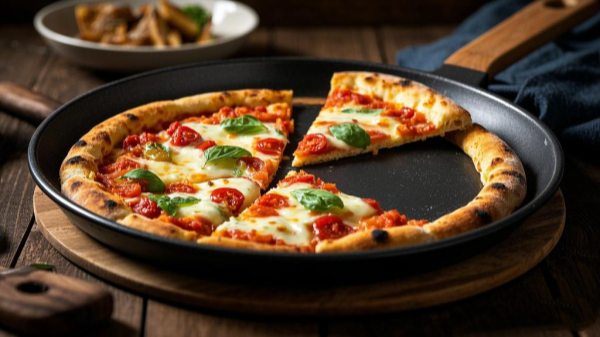
Crafting the perfect pizza extends beyond mastering dough and toppings; the choice of pizza pan plays a pivotal role in determining the crust's texture, flavor, and overall quality. This comprehensive guide delves into the nuances of pizza pan design, materials, and their effects on your culinary creations.
Design and Shape of Pizza Pan
The design and shape of a pizza pan significantly influence the baking process and the final product's characteristics.
Flat vs. Deep Pans
Flat pans are ideal for achieving a crispy, evenly baked crust, making them perfect for thin-crust pizzas. Their shallow design allows heat to penetrate the dough uniformly, resulting in a delightful crunch. In contrast, deep pans are designed to hold more toppings and create a thicker, softer interior with a crunchier edge, characteristic of styles like Chicago deep-dish pizza.
Perforated Bottoms
Some pizza pans feature perforations or holes in the bottom, enhancing airflow during baking. This design allows moisture to escape, leading to a crisper crust—a desirable trait for those who prefer a firm bite.
Edge Design
High, raised edges help contain ingredients and prevent spills, especially useful for pizzas with generous toppings. Conversely, low edges facilitate more even heat distribution, promoting uniform cooking and browning across the pizza's surface.
Material Composition of Pizza Pan
| Material | Advantages | Disadvantages |
|---|---|---|
| Aluminum | Lightweight and excellent heat conductivity, ensuring quick and even baking. | May warp at high temperatures and can react with acidic ingredients if not properly coated. |
| Stainless Steel | Durable and resistant to rust. Provides a sturdy baking surface. | May not conduct heat as efficiently as aluminum, potentially leading to longer baking times. |
| Cast Iron | Superior heat retention and even heating. Can produce a crispy crust and is highly durable. | Requires proper seasoning and maintenance to prevent rusting. |
| Carbon Steel | Offers a balance between weight and performance, providing good heat conduction and durability. Develops a natural non-stick patina over time. | Requires regular seasoning. |
Impact on Cooking
The combination of pan design and material directly influences the pizza's cooking process and final quality.
Heat Distribution
Materials like aluminum and carbon steel heat up quickly, promoting even cooking and browning. Cast iron, while slower to heat, maintains consistent temperatures, which is beneficial for achieving a well-cooked crust.
Crust Texture
Perforated pans and those made from materials with high heat conductivity can produce a crispier crust. In contrast, deep pans made of cast iron or stainless steel may yield a softer, thicker crust due to their heat retention properties.
Flavor Development
Cast iron pans can impart a distinct, rich flavor to the crust, especially when well-seasoned. The choice of pan can subtly influence the taste profile of the pizza.
Maintenance and Longevity
Proper care extends the lifespan of your pizza pan and ensures consistent baking results.
Cleaning
Non-stick and aluminum pans are generally easy to clean with mild soap and water. Cast iron and carbon steel pans require careful cleaning to maintain their seasoning; avoid using soap and instead opt for hot water and a stiff brush.
Seasoning
Regular seasoning of cast iron and carbon steel pans prevents rust and creates a natural non-stick surface. This involves applying a thin layer of oil and heating the pan to bond the oil to the metal.
Storage
Store pans in a dry environment to prevent moisture-induced damage. Nesting pans with protective layers can prevent scratches and maintain surface integrity.
Conclusion
Understanding the intricacies of pizza pan design and material composition is essential for any pizza enthusiast aiming to elevate their homemade creations. By selecting the appropriate pan, you can tailor your pizza's crust and flavor to your personal preferences, ensuring a delightful culinary experience every time.
For those interested in acquiring quality pizza pans, consider exploring options from reputable pizza pan wholesalers to find the perfect fit for your kitchen needs.
How to Properly Season and Care for Your Pizza Pan for Long-Lasting Performance
Perfect Your Pizza: A Comprehensive Guide to Choosing the Ideal Pizza Pan for Every Kitchen