Saucepan Mastery: Techniques, Recipes & Sustainability

1. Introduction: The Saucepan as a Culinary Canvas
From delicate emulsions to bold global flavors, a saucepan transforms humble ingredients into unforgettable experiences. In fact, a recent Good Housekeeping survey found that 87% of home cooks consider versatility among their top priorities when selecting cookware, and over 60% of Americans cook at home at least five times per week. This guide dives into how saucepan design, advanced techniques, and sustainable practices can elevate both your home cooking and environmental responsibility.
2. Choosing the Right Saucepan: Performance Meets Purpose
2.1 Material Science for Optimal Results
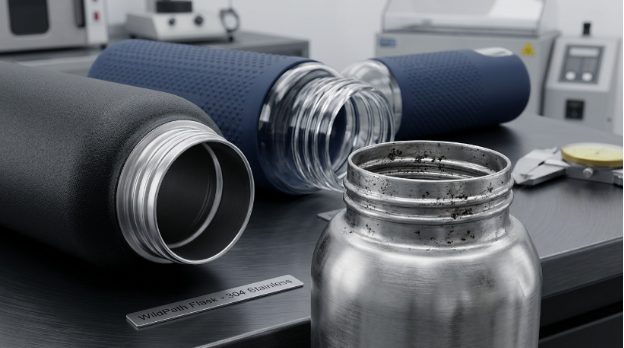
Stainless Steel: Preferred in professional kitchens for its non-reactive surface that fosters fond formation during searing, stainless steel saucepots ensure even deglazing without metallic aftertastes
Recycled Aluminum: Lightweight and eco-friendly, models like Farberware’s 3-quart Eco Advantage are crafted from 100% recycled aluminum and feature durable ceramic nonstick coatings, marrying performance with sustainability.
Cast Aluminum Ceramic-Coated Pans: Brands like GreenPan use ceramic nonstick—free of PFAS, PFOA, lead, and cadmium—to deliver toxin-free cooking with excellent release properties and metal utensil safety.
| Material | Pros | Cons |
|---|---|---|
| Stainless Steel | Non-reactive, fond-friendly, induction-compatible | Requires oil, can stick if under-heated |
| Recycled Aluminum | Lightweight, sustainable, rapid heat conduction | Not induction-compatible, potential warp |
| Ceramic-Coated | Toxin-free, easy release, dishwasher safe | Coating may wear over time, hand-wash recommended |
2.2 Functional Design Features
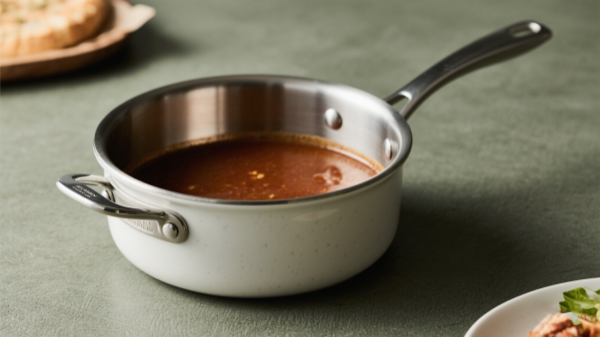
Dual-Riveted Handles: Look for ergonomic grips that stay cool and offer control, reducing fatigue during long simmers.
Pour Spouts & Built-in Strainers: Integrated straining lids simplify draining, while precision rims minimize drips.
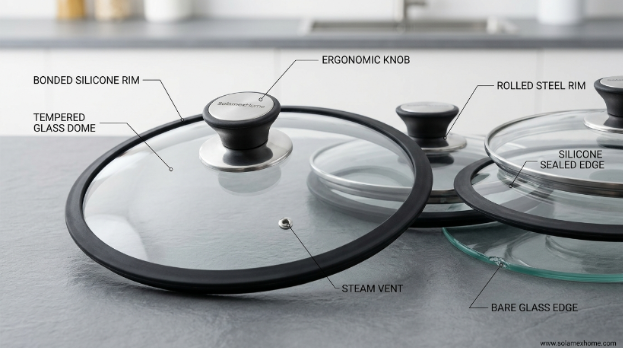
Lid Fit: A tight-fitting lid locks in moisture for braising or yogurt-making, enhancing flavor and reducing energy use.
3. Core Techniques: Elevating Sauces from Basic to Brilliant
3.1 Deglazing: Unlocking the Flavor Vault
The Maillard reaction—a chemical process between amino acids and sugars—creates hundreds of flavor compounds responsible for the rich taste of browned food. Follow these steps:
- Sear proteins or vegetables until browned fond develops.
- Pour in an acidic liquid (wine, vinegar) to dissolve up to 90% of those compounds into your sauce.
- Reduce by half to concentrate umami and depth.
Pro Tip: Use a wooden spoon to scrape every bit of fond—metal can damage nonstick surfaces.
Burnt Pans: Soak in a 1:1 baking soda–water solution for 15 minutes to lift scorch marks without harsh scrubbing.
3.2 Thickening Strategies for Every Occasion
- Natural Reduction: Ideal for tomato sauces; slowly evaporates water to intensify flavor.
- Roux: Equal parts flour and fat by weight, cooked to desired color—white, blond, or brown—to thicken and enrich sauces.
- Slurry: A quick mix of cornstarch and water (1:1) for crystal-clear, fast-setting Asian-style sauces.
3.3 Emulsification & Flavor Amplification
Beurre Blanc & Hollandaise: Stable emulsions of butter and acid; Hollandaise’s egg lecithin creates a smooth sauce at temperatures below 80 °C to prevent curdling.
Umami Bombs: Mushroom powder, miso, or anchovy paste add depth with minimal salt.
Acid Balance: A squeeze of lemon juice or a spoonful of vinegar brightens richness and cuts through fat.
4. Signature Sauces & Recipes
4.1 Classic Proteins Reinvented
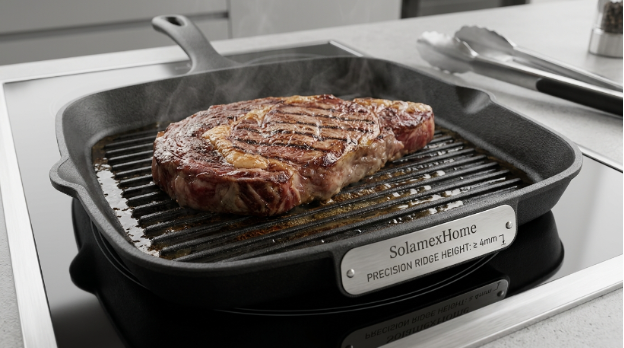
Steak: Red Wine & Shallot Reduction
Recipe: Deglaze pan with ½ cup red wine, add 1 cup beef broth, reduce by 50%, whisk in Dijon mustard and cold butter to finish.
Healthy Hack: Swap half the butter for Greek yogurt for creaminess and tang.
Chicken: Lemon Caper Sauce
Sauté capers in pan drippings, deglaze with white wine, add lemon juice and butter to finish.
Tofu: Garlic Soy Sesame Glaze
Use a recycled-aluminum saucepan for rapid heat changes, reducing energy use during searing.
4.2 Global Inspirations & Modern Twists
- Thai Penang Curry: Simmer red curry paste, coconut milk, and lemongrass for 15 minutes for balanced heat and sweetness.
- Mexican Mole Poblano: Stir in a square of dark chocolate to deepen flavor without extra sweetness.
- Italian Bolognese: Use grass-fed beef and whole-wheat pasta for a sustainability twist.
4.3 Quick & Healthy Options
- Low-Cal Cream Sauce: Blend coconut milk and cauliflower puree to cut fat by 60%.
- Vegan Mushroom Gravy: Thicken with arrowroot powder for a gluten-free option that sets faster than cornstarch.
5. Beyond Sauces: Multipurpose Uses for Your Saucepan
One-Pot Meals: Risotto—stir arborio rice and stock continuously for creamy texture; chili—simmer ground meat, beans, and tomatoes for 45 minutes for deep flavor.
Desserts & Baking: Crème anglaise—stir egg yolks and milk at 80 °C; caramel—heat sugar and water to 150 °C for perfect golden syrup.
Sustainability Practices: Repurpose pan drippings into stocks or gravies; using lids can reduce cooking time and energy by up to fivefold and minimize kitchen humidity.
6. Maintenance & Longevity
6.1 Cleaning Best Practices
Nonstick Pans: Hand-wash with mild soap—dishwashers can degrade coatings.
Stainless Steel: Use a baking-soda paste to remove stains without harsh abrasives.
6.2 Eco-Friendly Storage
Vertical Hanging: Saves space and prevents scratches.
Biodegradable Covers: Beeswax wraps can keep lids and surfaces protected without plastic waste.
7. Conclusion & Call to Action
Your saucepan is more than cookware—it’s a partner in creativity. Whether you’re mastering deglazing, whisking emulsions, or experimenting with global flavors, the right pan empowers you to cook responsibly and deliciously. Invest in high-quality materials, embrace sustainable practices, and let your saucepan be the catalyst for culinary innovation.
Ready to level up? Explore our curated selections:
- All-Clad D5 3-Quart Stainless Steel Saucepan – Best All-Rounder
- GreenPan Valencia Pro – Eco-Choice for toxin-free ceramic performance
- Scanpan Classic 2-Quart Covered Saucepan – Professional Grade nonstick success
Invest in quality, experiment boldly, and cook with conscience—your next masterpiece awaits!
Is Your Pan Oven-Safe? A Complete Guide to Checking, Choosing, and Using Oven-Safe Cookware
Crafting the Perfect Aluminum Saucepan: Through Design, Performance, and Innovation