Soup Pots Unveiled: Your Key to Perfect Stews, Soups, and More
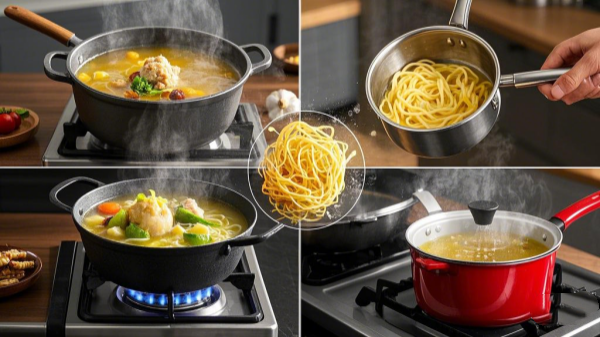
Table of Contents
I. Introduction
Soup pots hold an indispensable position in our daily cooking routines. Whether you are simmering a rich chicken broth, slowly stewing vegetables, or preparing hearty meat stews, a good soup pot can make all the difference. The right soup pot not only enhances the flavor of your dishes but also brings convenience and joy to your culinary adventures.
This guide aims to provide you with an in-depth understanding of various soup pots—from their materials and capacities to practical selection tips, care advice, and even recipe ideas. Throughout the article, we will explore how different types of soup pots can elevate your cooking and answer the questions that matter most to you.
II. Types and Characteristics of Soup Pots
A. By Material
Understanding the material of a soup pot is crucial as it affects durability, heat conduction, and maintenance. Here, we break down the most popular materials:
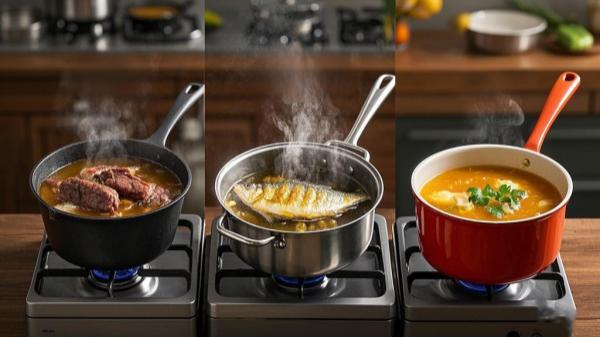
- Stainless Steel Soup Pots: Known for their durability, ease of cleaning, and excellent heat conduction. However, some models may experience sticking issues if not used properly.
- Cast Iron Soup Pots: Praised for their superior heat retention, these pots are ideal for slow-cooked meals and stews. The downside is their heavier weight and the need for regular maintenance, such as drying and oiling to prevent rust.
- Ceramic Soup Pots: Offer even heating and can add a unique flavor to your food. They are, however, relatively fragile and require careful handling to avoid chipping.
- Aluminum Nonstick Soup Pots: These are designed for easy cleaning and reduced use of oil. For instance, the 7 qt nonstick soup pot is a popular option that combines a nonstick coating with a generous capacity, making it perfect for family meals or batch cooking.
B. By Capacity
The capacity of a soup pot determines its suitability for various cooking scenarios:
- Small Capacity Soup Pots (1 - 3 quarts): Ideal for single servings or preparing small quantities of soup. Perfect for individuals or couples.
- Medium Capacity Soup Pots (4 - 6 quarts): Well-suited for small families or daily cooking needs, balancing size and convenience.
- Large Capacity Soup Pots (7 quarts and above): Excellent for larger families or when hosting gatherings. This category includes options like the 7 qt nonstick soup pot, which offers ample space without sacrificing ease of use.
With various materials and sizes available, selecting the right soup pot means considering both your cooking style and household needs.
III. How to Choose the Right Soup Pot
Choosing a soup pot involves balancing several factors to ensure you get the best tool for your kitchen. Here are the key considerations:
Cooking Needs
If your daily cooking revolves around making light vegetable soups, a small or medium soup pot might be sufficient. However, if you enjoy preparing robust meat stews or large quantities of broth, a large capacity pot will be more suitable.
Stove Compatibility
Your cooking appliance also plays a role in your choice:
- Induction Stoves: Require a pot with a flat bottom and magnetic properties. Look for models that are specifically designed for induction cooking.
- Gas Stoves: Offer more versatility. Almost any type of soup pot works well, but stability is key to prevent spills and ensure even cooking.
Budget Considerations
Prices for soup pots can vary significantly based on material, brand, and design features. It’s important to assess your budget and decide whether you prefer a cost-effective solution or a premium product. In this article, we will discuss options across various price ranges to help you make an informed decision.
IV. Maintenance and Cleaning of Soup Pots
Proper care and maintenance can greatly extend the lifespan of your soup pot while ensuring optimal performance. Each material requires specific care:
Material-Specific Care Tips(These guidelines apply to all cookware of the same material, not just stockpots)
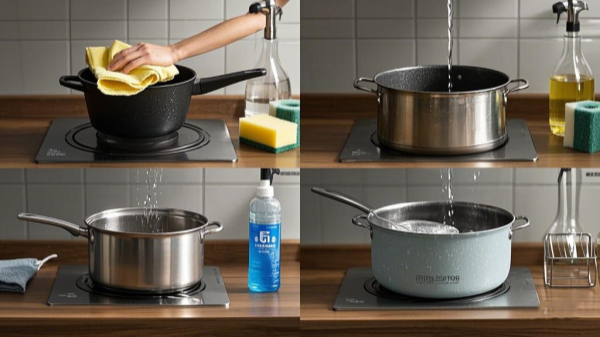
- Stainless Steel: Avoid using abrasive cleaners or sharp utensils that might scratch the surface. Regular polishing can keep the pot looking new.
- Cast Iron: After each use, dry the pot thoroughly and apply a light layer of oil. This helps prevent rust and maintains the seasoning.
- Ceramic: Handle with care to avoid chipping. Avoid sudden temperature changes which can cause cracks or breakage.
- Nonstick Soup Pots: Use utensils designed for nonstick surfaces to preserve the coating. Gentle cleaning with soft sponges is recommended to avoid damaging the nonstick layer.
Daily Cleaning Techniques
For all types of soup pots, immediate cleaning after use is essential. Here are some general tips:
- Soak the pot in warm water to loosen any food residue.
- Use a mild detergent and a soft sponge for cleaning.
- Rinse thoroughly and dry completely before storing.
- For stubborn stains, a paste of baking soda and water can be gently scrubbed onto the surface.
By following these steps, you can ensure your soup pot remains a reliable companion in the kitchen for years to come.
V. Delicious Soup Pot Recipes and Cooking Applications
One of the greatest advantages of owning a quality soup pot is its versatility in the kitchen. Beyond making simple soups, these pots are perfect for a wide variety of recipes. Let's explore some popular options:
Classic Chicken Soup
This recipe is a timeless favorite that highlights the slow-cooking benefits of a soup pot. The process allows flavors to meld together, creating a rich and savory broth.
- Begin with a whole chicken, fresh vegetables like carrots, celery, and onions, and your choice of herbs.
- Simmer the ingredients slowly for several hours until the flavors fully develop.
- Strain the broth and serve with tender chicken pieces and fresh vegetables.
Vegetable Stew
Perfect for vegetarians, this stew takes advantage of a soup pot's capacity to blend a variety of flavors and textures. A well-chosen soup pot can accommodate a medley of seasonal vegetables without sacrificing taste.
- Combine root vegetables, tomatoes, and leafy greens with vegetable stock.
- Season with herbs and spices, allowing the dish to simmer until all the ingredients are tender.
- Enjoy a nutritious and hearty meal that warms you from the inside out.
Seafood Chowder
For those who enjoy a touch of luxury, a seafood chowder is an excellent option. The large capacity of some soup pots enables you to create a chowder that is both creamy and packed with fresh seafood flavors.
- Use a mix of your favorite seafood, such as shrimp, clams, and fish, combined with diced potatoes and corn.
- Slow simmer the ingredients in a creamy broth, allowing the flavors to blend harmoniously.
- The end result is a robust dish that benefits from the even heat distribution of a quality soup pot.
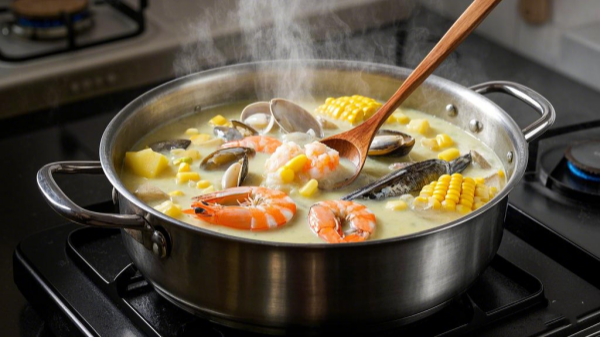
These recipes demonstrate the versatility of soup pots, making them an essential addition to any kitchen, whether you are cooking for one or hosting a large family gathering.
VI. User Reviews and Product Recommendations
Before making a purchase, it’s important to consider feedback from other users. Reviews can provide valuable insights into the performance and durability of various soup pots. Below is a comparison table that outlines the key features of budget-friendly versus premium options:
| Feature | Budget Option | Premium Option |
|---|---|---|
| Material | Stainless Steel / Basic Nonstick | Heavy-gauge Stainless Steel / Advanced Nonstick (e.g., 7 qt nonstick soup pot) |
| Capacity | 3 - 6 quarts | 7 quarts and above |
| Heat Distribution | Good | Excellent |
| Ease of Cleaning | Moderate | High |
| Price Range | $$ | $$$$ |
While user reviews vary, many home cooks appreciate the durability and performance of premium soup pots, especially when it comes to ease of cleaning and consistent heat distribution. For those on a budget, there are plenty of reliable options that offer good performance without breaking the bank.
Solamex offers a diverse range of soup pots and kitchenware at competitive wholesale prices, ensuring retailers and restaurants can cater to a broad spectrum of customers. From budget-friendly nonstick options ideal for everyday use to premium stainless steel and ceramic models designed for professional-grade performance. With customizable bulk pricing and a focus on soup pots and cookware, Solamex helps businesses confidently meet both budget-conscious and high-end demands while maintaining profit margins.
VII. Frequently Asked Questions (FAQ)
1. What is the best material for a soup pot?
Each material has its advantages. Stainless steel offers durability and ease of cleaning, cast iron provides excellent heat retention for slow-cooked meals, ceramic pots impart unique flavors but can be fragile, and nonstick options ensure easy cleaning and reduced oil usage.
2. How do I choose the right size soup pot?
Your choice should depend on your household size and cooking habits. For individual or small servings, a 1-3 quart pot might suffice. Small families might benefit from a 4-6 quart pot, while larger families or those who entertain often should consider a 7 quart or larger option.
3. Can a soup pot be used for other types of cooking?
Absolutely. Many soup pots are versatile and can be used for boiling pasta, cooking risotto, or even braising meats. Their deep design makes them ideal for a variety of culinary applications.
4. How do I care for my nonstick soup pot?
To preserve the nonstick coating, avoid using metal utensils and abrasive cleaners. Always allow the pot to cool before cleaning, and use a soft sponge with mild detergent to maintain its integrity.
VIII. Conclusion
In summary, a soup pot is more than just another kitchen utensil—it’s a vital component that can transform the way you cook and bring families together around delicious, home-cooked meals. From selecting the ideal material and capacity to understanding proper maintenance techniques, this guide has explored every aspect of choosing the perfect soup pot.
Your journey to better cooking starts with the right tools, so make an informed decision, explore new recipes, and enjoy the art of cooking. Feel free to share your experiences or ask any questions in the comments section below—let's continue the conversation and learn from one another!
The Ultimate Guide to Soup Pot Capacity: Choosing the Right Size for Your Culinary Needs
Mastering the Wok: A Comprehensive Guide to Selection, Cooking, and Kitchen Aesthetics