Stainless Steel Pans: Benefits, Maintenance, and Common Misconceptions
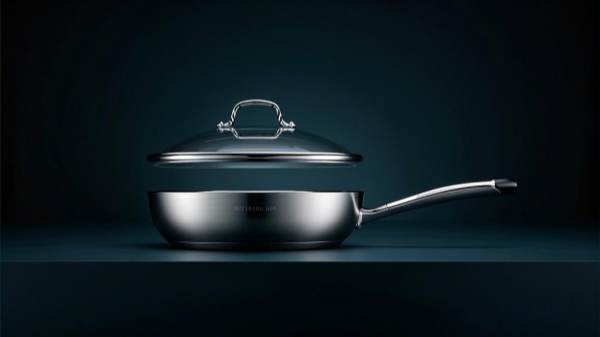
Stainless steel pans have long been a staple in kitchens around the world, thanks to their durability, even heat distribution, and non-reactive surface. Whether you’re a professional chef or a home cook, understanding the benefits of stainless steel cookware, knowing how to properly use and maintain them, and dispelling common misconceptions can greatly enhance your cooking experience.
Advantages of Stainless Steel Pans
One of the major advantages of stainless steel pans is their longevity. High-quality stainless steel is resistant to rust, corrosion, and staining, making it ideal for daily use. Their non-reactive nature ensures that foods, even acidic ones like tomato sauces or citrus-based dishes, retain their natural flavors without metallic interference.
Additionally, stainless steel cookware is renowned for its excellent heat retention and distribution, which allows for even cooking and reduces the risk of hot spots. For more details on the benefits of stainless steel cookware, check out our Cookware Benefits Guide.
Stainless Steel Pan Buyer’s Guide (Mobile Version)
1️⃣ Material Matters
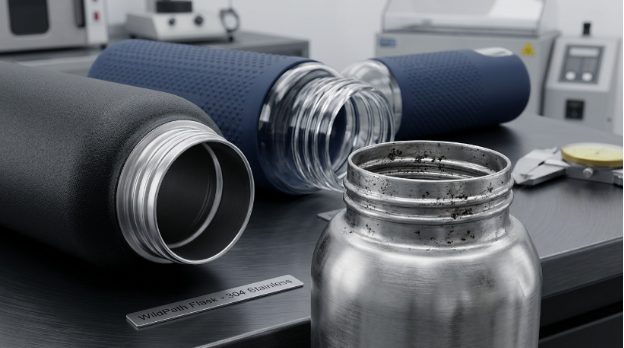
- 304 (18/8) Steel: Cost-effective with excellent corrosion/heat resistance (18% chromium + 8% nickel) Ideal for daily cooking.
- 316 (18/10) Steel: Enhanced salt/acid resistance (added molybdenum), perfect for seafood or acidic dishes
- 430 Steel: Magnetic for induction stoves but less durable (low nickel)
2️⃣ Construction Essentials
✅ Tri-Ply/Clad Design: Aluminum/copper core between stainless layers ensures even heat distribution.
✅ Base Thickness: ≥2mm minimizes warping and hot spots.
⚠️ Induction compatibility requires magnetic layers (e.g., 430 base).
3️⃣ Design Features
Handles: Hollow stainless steel or heat-resistant phenolic resin (avoid screws)
Weight: 1.5-2kg balances heat retention and maneuverability
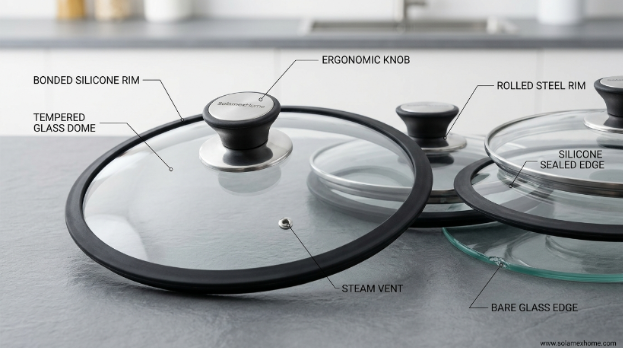
Rim & Lid: Rolled edges prevent spills; tight-sealing lids lock in moisture.
4️⃣ Brand & Warranty
Prioritize professional cookware brands
Look for ≥10-year warranties for durability assurance.
Mid-range models (¥300-800) often offer optimal value.
Proper Use and Maintenance of Stainless Steel Cookware
Proper use and maintenance are key to getting the most out of your stainless steel pans. It is important to preheat your pan gradually—this ensures even heating and prevents food from sticking. Using the correct amount of oil or fat can also help create a natural non-stick surface over time.
When it comes to cleaning, avoid harsh abrasives that can scratch the surface. Instead, use a mild detergent, warm water, and a non-abrasive sponge. For stubborn stains, a paste of baking soda and water or a vinegar solution can work wonders. After cleaning, dry your pan thoroughly to prevent water spots and maintain its shine.
Comparing Stainless Steel with Other Cookware Materials
While stainless steel pans offer many benefits, it's useful to compare them with other common cookware materials:
| Cookware Material | Advantages | Drawbacks |
|---|---|---|
| Non-Stick Pans | Great for low-fat cooking and easy cleanup. | Coatings can wear off over time; not ideal for high-heat cooking. |
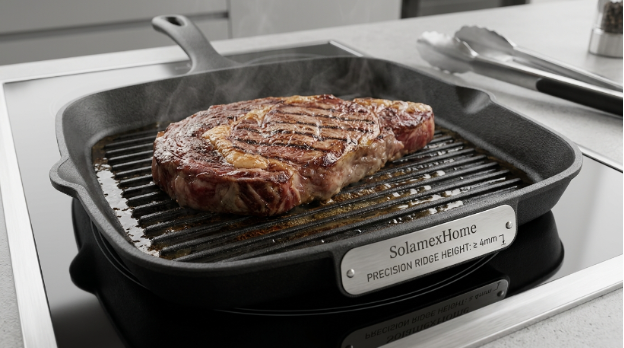
| Cast Iron | Excellent heat retention; develops a natural non-stick surface when seasoned. | Heavy; requires regular maintenance and seasoning. |
| Copper | Superior heat conduction for precise temperature control. | Expensive; often lined with another metal to prevent reactivity. |
| Aluminum | Lightweight and heats rapidly for even heat distribution. | Pure aluminum can react with acidic foods; anodized aluminum is preferred for its non-reactive surface. |
The table above compares various cookware materials based on their strengths and drawbacks. Each material offers distinct benefits—non-stick pans are ideal for easy cleanup, cast iron for its heat retention and natural seasoning, copper for superior heat conduction, and aluminum for its light weight and rapid heating. Ultimately, the choice depends on your cooking style, maintenance preferences, and budget.
Frequently Asked Questions (FAQ) & Common Misconceptions
1. Is a stainless steel pan oven safe?
Yes, many stainless steel pans are oven safe, but it is essential to check the manufacturer's guidelines for specific temperature limits. High-quality pans often have handles and lids that can withstand temperatures up to 500°F or more. Always refer to the care instructions provided by the manufacturer.
2. Why did my stainless steel pan turn brown?
Browning of stainless steel pans is usually due to heat-induced oxidation, often referred to as "heat tint." This discoloration is common, especially when pans are used at high temperatures without proper preheating. While it does not affect cooking performance, regular cleaning and proper preheating can help restore the pan's shine.
3. How do I preheat a stainless steel pan properly?
Preheating a stainless steel pan is crucial for even cooking and to reduce the likelihood of food sticking. Begin by placing the pan on medium heat for 2-3 minutes. Test the heat by sprinkling a few drops of water onto the surface; if the water forms small beads that dance around the pan, it is ready. Avoid overheating, as this can cause discoloration and damage the pan's surface.
Conclusion
In summary, stainless steel pans are a reliable and versatile choice for everyday cooking due to their durability, non-reactive surface, and excellent heat distribution. By understanding how to properly use, maintain, and care for these pans—through methods like gradual preheating, gentle cleaning, and proper storage—you can ensure that your cookware performs optimally for years to come.
Addressing common misconceptions such as oven safety, discoloration, and preheating techniques helps you make informed decisions in the kitchen. Additionally, incorporating preventive measures can reduce issues like soot and heat tint, keeping your stainless steel pans in pristine condition.
Happy cooking, and may your kitchen always shine!
Can Stainless Steel Utensils Damage Your Cookware? A Definitive Guide
How to Remove Soot from Metal Cookware: Expert Techniques for Spotless Results