The Complete Guide to Oven Safe Pots: Everything You Need to Know
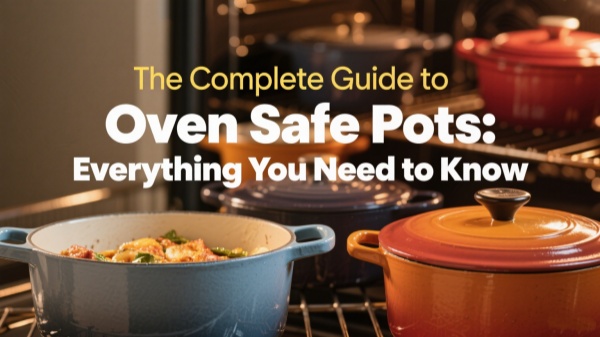
Picture this: You're searing chicken thighs to golden perfection on the stovetop, and now it's time to finish them in the oven for that juicy, fall-off-the-bone tenderness. But wait—is your pot actually oven safe? This moment of uncertainty is all too familiar for home cooks everywhere.

Table of Contents
Why Oven Safe Pots Matter
Using the wrong cookware in your oven isn't just about ruining dinner—it's a serious safety concern. Placing pans or stockpots that are not oven safe in an oven may cause damage not only to the cookware but also to the oven. It may also be a fire hazard since the oven works on extremely high temperatures. When plastic handles melt or non-stick coatings break down, they can release toxic fumes that nobody wants floating around their kitchen.
But here's the thing: when you get it right, oven safe pots transform your cooking game entirely. It's not just about tossing any pan into the oven—you need to understand your cookware's materials, coatings, and limitations to avoid a kitchen disaster. From braised short ribs that melt in your mouth to crusty artisan bread with that perfect crumb, the right oven safe cookware opens up a world of culinary possibilities.
How to Identify Oven Safe Cookware
Check for the Oven Safe Symbol
The easiest way to determine if your pot can handle oven heat? Look for the telltale signs. Common oven-safe symbols include: A small oven icon: This is the most straightforward representation. It often looks like a simplified oven or rack. Wavy heat lines: These lines symbolize heat resistance, suggesting that the cookware can handle intense oven temperatures. Text markings: Sometimes, manufacturers use labels like "Oven Safe" or "Oven Proof" directly on the cookware or in the product description.
Check the bottom of your pot first—that's where manufacturers typically place these markings. First of all, understand the pan or pot's temperature limits which the manufacturer may state at the bottom of the pan by stating the limit temperature or a symbol to state that it is oven safe. If you don't see anything there, check the handles or consult the product manual.
Examine the Construction
Sometimes you need to be a detective. Check the cookware for any plastic that may be damaged if used in the oven. Identify the material the pan/pot is made of since every material reacts differently to heat. Here's what to look for:
- Handle material: Any pans that utilize plastic handles or lids cannot be used in the oven, full stop—even if the body is constructed of an oven-safe material like stainless steel.
- Weight and feel: Heavy pots (especially cast iron) are typically oven safe
- Coating type: Traditional non-stick surfaces often have temperature restrictions
Materials That Can Handle the Heat
| Material | Max Temperature | Best For | Special Notes |
|---|---|---|---|
| Cast Iron | 600°F | Braising, roasting, baking bread | Excellent heat retention; requires seasoning |
| Stainless Steel | 800°F | Searing then roasting, sauces | Durable and versatile; check handle material |
| Carbon Steel | 1200°F | High-heat cooking, professional use | Lightweight yet durable; needs seasoning |
| Ceramic-Coated | 450°F | Health-conscious cooking | PFAS-free; handle with care |
| Enameled Cast Iron | 500°F | Dutch oven cooking, stews | No seasoning needed; avoid thermal shock |

Cast Iron: The Heavyweight Champion
There's a reason grandma's cast iron skillet is still going strong after decades. Cast iron, stainless steel, and carbon steel are three of the most reliable options for oven-safe cooking. Cast iron and triply stainless steel are two of the best materials for ovens. They are very durable and can retain heat well while resisting high temperatures.
Cast iron Dutch ovens deserve special mention here. Dutch ovens can retain heat extremely well because of their cast-iron construction, which means they are a great vessel for slow cooking. Using the lid to trap moisture and flavors inside and being able to cook tender meats slowly all day make the dutch oven an essential tool for low and slow cooking methods on the stovetop or in the oven. Whether you're making a Sunday pot roast or baking artisan bread, these workhorses deliver consistent, impressive results.
Stainless Steel: The Versatile Performer
Stainless steel is another excellent oven-safe option. Our Stainless Clad Frying Pan is oven-safe up to 800F, making it the perfect choice for oven-finishing a sauce or keeping a meal warm. Just remember—not all stainless steel is created equal. Stainless steel cookware with non-stick coating or silicone-wrapped handles usually has lower heat tolerance.
Carbon Steel: The Professional's Choice
Often overlooked by home cooks, carbon steel combines the best of both worlds. Carbon steel frying pans are oven-safe up to 1200F, lightweight, boast incredible heat retention, and are lightweight enough to maneuver around the stovetop, in and out of the oven, or even over an open flame. Professional chefs love it for good reason—it develops a natural non-stick surface over time and handles temperature changes like a champ.
Cookware to Keep Out of the Oven
- Anything with plastic handles or lids
- Traditional non-stick pans (unless rated for oven use)
- Wooden handles or components
- Most ceramic cookware (unless specifically marked oven-safe)
The Non-Stick Dilemma
Most oven-safe cookware can only support temperatures up to 500°F or 260°C, but most will be ruined by temperatures above such. Traditional non-stick coatings present a particular challenge. Non-stick coatings degrade when exposed to high heat (500°F is the highest it can handle), which is why pans with this type of coating have lower oven-safe temperatures. Additionally, when non-stick coatings like Teflon degrade, they release fumes that can cause temporary flu-like symptoms if you're exposed for too long.
The Plastic Problem
This one seems obvious, but you'd be surprised how many people miss it. Plastic handles are a no-go for oven use. They can melt and deteriorate at high temperatures, posing a safety risk and potentially ruining your cookware. Always check the type of handle before placing a pan in the oven to ensure it's metal and not plastic.
Ceramic Cookware Confusion
Ceramic cookware has been having a profound moment on social media, and with an array of eye-catching colors to choose from and promises to replace other pieces of cookware, it's not hard to see why. But here's the catch: This is due to the coating used on many ceramic pans, which is what gives it a chemical-free non-stick surface. This coating cannot be exposed to high temperatures, which is also why the maintenance instructions for many ceramic pans include temperature limitations of medium-low.

Best Practices for Oven Safe Cooking
Temperature Management
Even with oven safe cookware, temperature matters. Pay attention to the maximum temperature rating. Oven-safe cookware is safe up to 500 degrees Fahrenheit, but some materials can only handle 350 degrees or less. Here's how to play it safe:
- Always preheat gradually—sudden temperature changes can damage even oven-safe cookware
- Know your pot's limits and stay well below them
- Avoid sudden temperature changes. Be aware that glass and ceramic cookware can break if the temperature suddenly changes, like going from the hot oven to a cold countertop.
Safety First
Working with oven safe pots requires respect for the heat. Use a heat protection when working with an oven. You should also use an oven mitt when moving your pot out of the oven to avoid burns. Remember:
- Metal handles get extremely hot—always use pot holders
- Heavy cast iron requires two hands and proper lifting technique
- Let cookware cool gradually before cleaning
Maximizing Your Cookware's Potential
Once you know your pot is oven safe, a whole world of cooking techniques opens up. Start dishes on the stovetop for that perfect sear, then transfer them to the oven for even, gentle cooking. This technique works brilliantly for everything from frittatas to braised meats.
Frequently Asked Questions
Q: How do I know the maximum temperature my pot can handle?
The most reliable source is always the manufacturer's documentation. Check the bottom of your cookware for temperature markings, consult the manual that came with your pot, or visit the manufacturer's website. Never guess—when in doubt, keep temperatures below 350°F to be safe.
Q: Is the lid oven safe if the pot is?
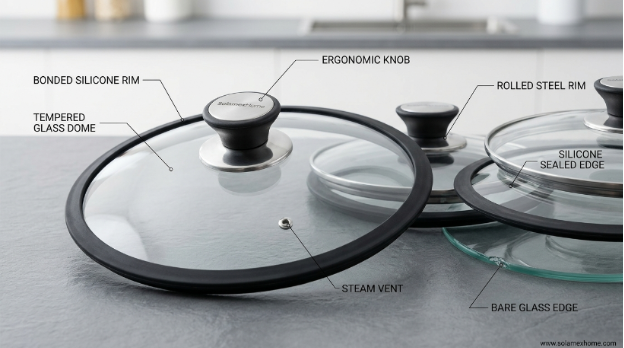
Not necessarily! The lid and handle materials affect its oven-safe temperature. In many cases, the lid can't handle as much heat as the cookware. Glass lids often have lower temperature limits than the pot itself, and plastic knobs on lids will melt. Always verify both pot and lid are oven safe.
Q: Can I use maximum oven temperature if my pot is oven safe?
Just because a pot is oven safe doesn't mean it can handle any temperature your oven reaches. Most home ovens go up to 500-550°F, but many oven safe pots have lower limits. Always respect the manufacturer's maximum temperature rating to prevent damage to your cookware and ensure safe cooking.
Q: What happens if I accidentally put a non-oven safe pot in the oven?
Best case scenario: you'll damage your cookware. Worst case: melting plastic can release toxic fumes, ruin your food, damage your oven, and even pose a fire risk. If you realize your mistake, turn off the oven immediately, open windows for ventilation, and let everything cool completely before removing the pot.
Smart Shopping: Choosing Your Next Oven Safe Pot
Match Your Cooking Style
Think about how you actually cook. Love making stews and braised dishes? A cast iron Dutch oven is your best friend. Dutch ovens are the workhorses of pots. They go from stovetop to oven with ease, making them ideal for braises, soups, stews, and more. Even better, Dutch ovens can be covered to keep foods warm or to transport a hot dish over to a sick friend.

Prefer quick sears and pan sauces? Stainless steel offers versatility without the maintenance of cast iron. Health-conscious? Look for ceramic-coated options that avoid traditional non-stick chemicals while still being oven safe up to moderate temperatures.
Investment Considerations
Quality oven safe cookware isn't cheap, but it's worth every penny. A good cast iron pot can literally last generations—many cooks treasure pieces passed down from grandparents. When you calculate cost per use over decades, that initial investment becomes negligible.
Maintenance Matters
Different materials require different care:
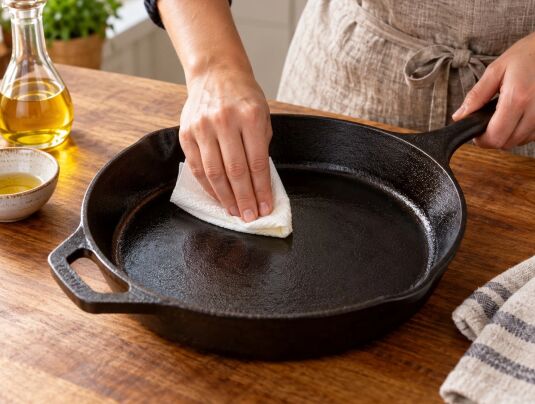
- Cast iron needs regular seasoning but rewards you with improved performance over time
- Stainless steel is nearly indestructible and dishwasher safe
- Enameled cast iron combines durability with easy cleaning—no seasoning required
- Carbon steel requires seasoning like cast iron but is lighter and more responsive to temperature changes
Mastering Oven Safe Cooking: Your Next Steps
Understanding oven safe cookware transforms you from someone who just follows recipes to a cook who truly understands their tools. You'll find yourself naturally gravitating toward techniques that showcase your cookware's strengths—maybe perfecting that crusty bread in your Dutch oven or mastering the art of the oven-finished steak in your carbon steel pan.
Remember these key takeaways:
- Always verify oven safety through manufacturer markings or documentation
- Respect temperature limits—they exist for your safety and your cookware's longevity
- Check every component, especially handles and lids
- When in doubt, keep it out of the oven
Start by checking your current cookware collection. You might be surprised to discover oven safe gems you've been underutilizing. Then, experiment with recipes that transition from stovetop to oven—once you experience the convenience and enhanced flavors this technique provides, you'll wonder how you ever cooked without it.
The bottom line? Oven safe pots aren't just about following rules and avoiding disasters. They're about expanding your culinary horizons and cooking with confidence. Whether you're a weekend warrior tackling ambitious braises or a busy parent looking for one-pot dinners, understanding your cookware's capabilities empowers you to cook better, safer, and more creatively.
Now, go check those pot bottoms, verify those temperature limits, and get ready to take your cooking to new heights—literally, from stovetop to oven rack. Your taste buds (and dinner guests) will thank you.
How Big Is 6 Quarts? (Volume, Dimensions & What It Holds)
Is My Pot Oven Safe? A Practical Guide to Oven-Safe Pots