The Definitive Guide to Cast Aluminum Cookware: Performance, Versatility, and Care
Introduction
Cast aluminum cookware has endured as a favorite in both home and professional kitchens for decades. Driven by its impressive balance of affordability, excellent heat retention, and outstanding versatility, it continues to be a top choice among cooks. Made by pouring molten aluminum into molds, this cookware has evolved from basic kitchen tools into sophisticated instruments that provide uniform heat distribution, ease of maintenance, and a durable build.
In this definitive guide, we will delve into everything you need to know about cast aluminum cookware—from its scientific manufacturing process to its practical applications and long-term care. Whether you are a culinary novice or an expert chef, this guide is designed to equip you with detailed insights to help you make informed decisions and get the most out of your investment.
Transitioning from the fascinating science behind its creation to real-world applications, our journey begins by uncovering the inner workings and material properties that make cast aluminum a kitchen staple.
The Science of Cast Aluminum: How It’s Made and Why It Matters
Cast aluminum is produced by pouring molten aluminum into high-quality molds via methods such as die-casting or sand-casting. During die-casting, the aluminum is forced into precision-engineered molds under high pressure, creating intricate designs including non-stick interiors and ergonomic handles.
The material properties of cast aluminum are essential to understanding its performance in the kitchen. With a heat conductivity of approximately 80–100 W/m·K, it ensures even temperature distribution. Typically manufactured with 2–4 mm thick walls, cast aluminum offers durability while remaining lightweight. Additionally, modern surface treatments such as anodization and specialized non-stick coatings enhance scratch resistance and simplify cleaning, making this cookware both resilient and user-friendly.
As we move forward, it becomes clear how these scientific underpinnings translate into a diverse range of cookware options that cater to various cooking needs.
Diverse Range of Cast Aluminum Cookware
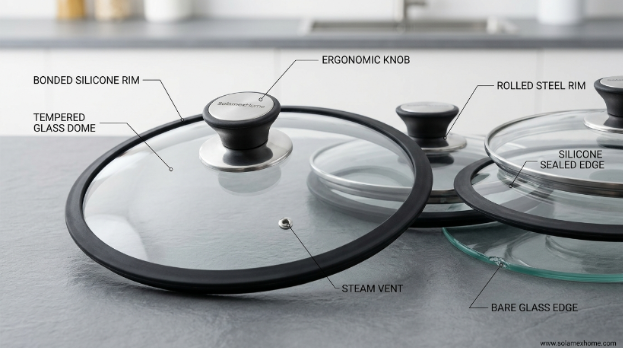
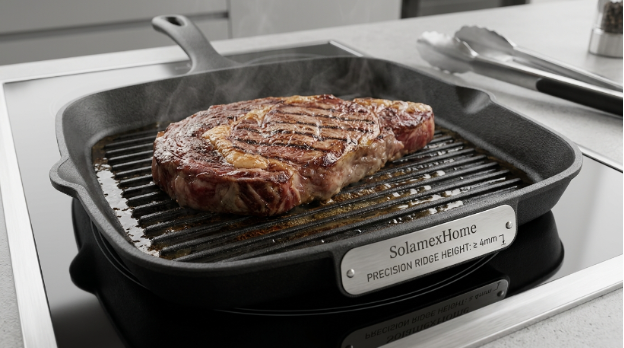
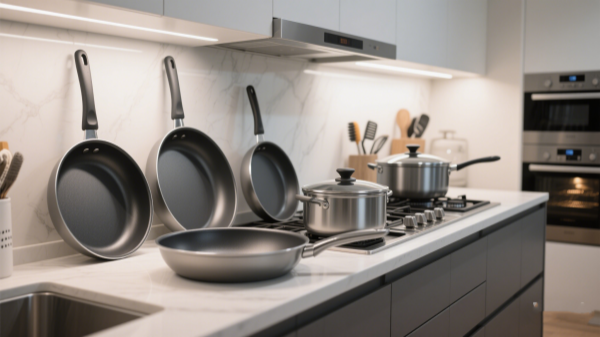
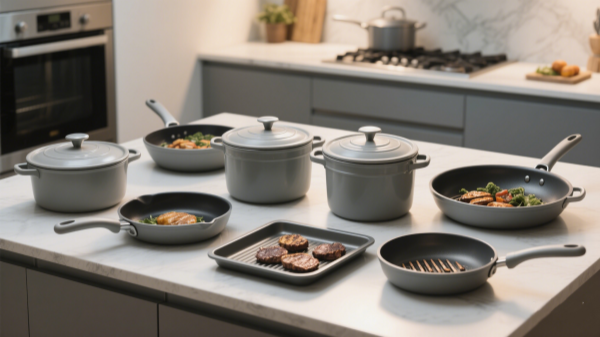
Cast aluminum’s moldability through die-casting or sand-casting opens the door to a versatile product lineup. This single material forms the basis of frying pans, stock pots, grill pans. Each type benefits from cast aluminum’s inherent affordability and adaptability. For instance, shallow frying pans with sloped sides are ideal for sautéing and frying, taking full advantage of even heat distribution. In contrast, deep cast aluminum stock pots excel at handling large batches of soups and broths, while oven-safe Dutch ovens merge excellent heat retention with lightweight portability, perfect for braising and baking. Grill pans with their distinctive ridged surfaces offer outdoor-style searing, and versatile skillets easily transition from stovetop to oven.
These varied applications underscore the unparalleled adaptability of cast aluminum cookware, making it indispensable for both everyday cooking and specialized culinary tasks.
Core Advantages of Cast Aluminum Cookware
There are several reasons why cast aluminum has secured its position as a go-to material for cookware:
- Exceptional Heat Retention: The material distributes heat evenly, allowing for consistent temperatures—ideal for slow-cooking, braising, and baking.
- Design Flexibility & Affordability: Its ease of being cast into complex shapes means innovative designs (like grill pans and skillets) can be created at a fraction of the cost of forged or copper alternatives.
- Surface Treatment Options: Modern treatments such as anodization enhance durability and non-stick coatings make cleaning effortless.
With these significant benefits, it’s no wonder that cast aluminum remains a staple in kitchens around the world.
Ideal Cooking Scenarios & Limitations
Cast aluminum cookware excels in a variety of cooking scenarios, particularly for tasks that require low-to-medium heat. For instance, stock pots are excellent for simmering soups and stews, while Dutch ovens are perfect for slow-cooked roasts and casseroles. Their lightweight nature also makes them a favorite for indoor cooking as well as outdoor adventures such as camping.
However, no cookware is without its limitations. Cast aluminum is not ideally suited for high-heat searing due to its inherent heat responsiveness. Additionally, most cast aluminum cookware requires a magnetic base to be compatible with induction cooktops, meaning it may not be the best fit in every modern kitchen setup.
Recognizing both the strengths and shortcomings of cast aluminum empowers you to make informed decisions tailored to your culinary style.

Safety, Maintenance, and Longevity
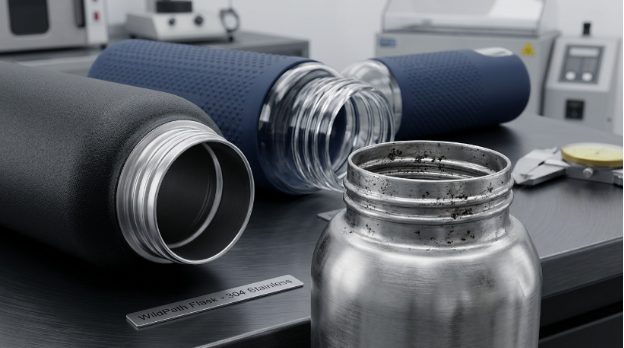
Maintaining cast aluminum cookware correctly is critical to ensuring its longevity and safe use. The integrity of the surface coating is paramount, as it not only prevents food from sticking but also minimizes the risk of aluminum leaching. Adhering to FDA guidelines, especially for anodized or non-stick models, is essential for safe daily usage.
When it comes to cleaning, hand-washing is typically recommended. Avoid harsh abrasives or steel wool that could compromise the non-stick surface. Instead, opt for gentle sponges and mild detergents. Proper storage—ideally with protective liners—also contributes to extending the lifespan of your cookware, which can generally last anywhere from 5 to 10 years with proper care.
By following these maintenance practices, you can ensure that your cast aluminum pieces continue to deliver excellent performance throughout their use.
Cast Aluminum vs. Other Materials: A Comparative Analysis
Understanding how cast aluminum stacks up against other cookware materials can help clarify its unique role in the kitchen. Below is a comparative table summarizing the key tradeoffs:
| Material | Heat Retention | Weight | Cost | Special Features |
|---|---|---|---|---|
| Cast Aluminum | Even and consistent, though not ideal for high-heat searing | Lightweight | Low to moderate | Highly versatile, various coatings available |
| Forged Aluminum | Slightly faster heat conduction | Moderate weight | Higher cost | More robust construction |
| Cast Iron | Excellent retention | Heavier | Moderate | Non-stick when seasoned; ideal for slow cooking |
| Stainless Steel | Even distribution, but can develop hot spots | Varies by design | Moderate to high | Scratch prone; excellent for searing |
As shown, cast aluminum offers a balanced performance profile—combining affordability, lightweight design, and impressive versatility. These attributes make it a strong contender against more expensive alternatives.
How to Choose the Right Cast Aluminum Cookware
Choosing the right cast aluminum cookware involves considering several key factors. First, assess the coating type—whether you prefer an anodized finish for its scratch resistance or a non-stick surface for easy cleaning. Check that the base is suitable for your cooking setup, particularly if you rely on induction cooktops. Ergonomically designed handles are also important for safety and comfort.
Trusted brands in the market include Tramontina, Cuisinart, and Solamex, all known for their commitment to quality and adherence to stringent safety standards such as FDA and EU certifications. While Tramontina and Cuisinart primarily focus on the consumer-end cast aluminum cookware market, Solamex has established a significant advantage in the wholesale cookware arena. Solamex offers an extensive range of wholesale products with abundant choices and exceptional pricing advantages, making it an ideal partner for retailers and bulk buyers looking to maximize value without compromising on quality.
Conclusion
In summary, cast aluminum cookware represents a superb blend of performance, versatility, and economic value. Its unique manufacturing process results in products that not only perform exceptionally well in heat distribution and retention but also offer varied design options suitable for nearly every cooking scenario. By embracing proper maintenance techniques and understanding its limitations, you can extend the life of your cookware while enjoying consistent, efficient results in the kitchen.
Call to Action: Discover more detailed product categories and exclusive deals on cast aluminum cookware by visiting our dedicated product catalogue. Take your culinary journey to the next level with cookware that combines innovation and timeless performance.
Quick FAQs: Is a cast aluminum frying pan safe for daily use? Can a cast aluminum Dutch oven seamlessly transition from stovetop to oven? The answers lie in understanding the care and proper usage guidelines detailed in this guide.
Mastering Aluminum Pots: Safety Tips and Maintenance for Everyday Cooks
Mastering Saucepan Maintenance: How to Clean Burnt Saucepan Bottom and Beyond