The Indoor Griller's Code: Choosing & Maintaining Your Perfect Grill Pan
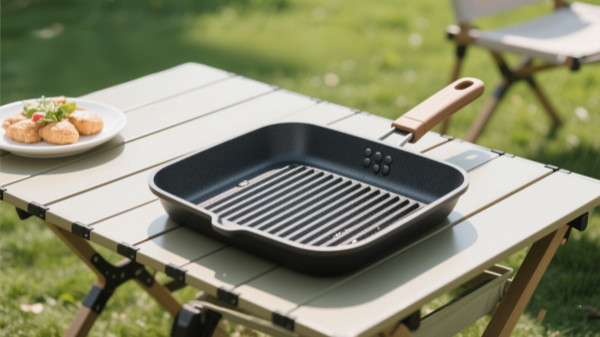
Grill pans let you achieve distinctive grill marks and reliable searing indoors, even when outdoor grilling isn’t an option. They come in diverse materials—cast iron for superior heat retention, aluminum for rapid responsiveness, and ceramic/nonstick for easy cleanup—each with trade‑offs in weight, induction compatibility, and maintenance. Safety concerns like PFOA breakdown and metal leaching underscore the importance of choosing quality coatings and following proper care guidelines. By understanding material differences, health considerations, cleaning techniques, and feature trade‑offs, you can select and maintain the perfect grill pan for your kitchen and cooking style.
1. Introduction
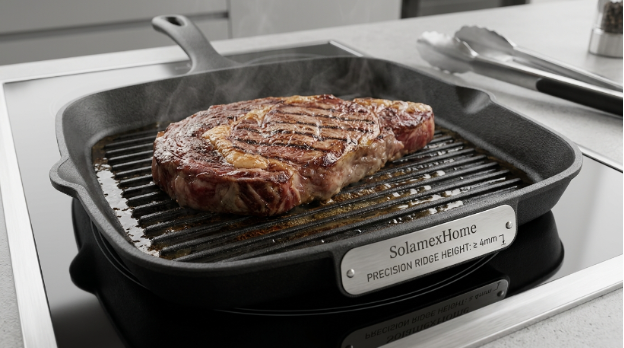
Indoor grilling is simplified with a grill pan, which replicates the look—and to some extent the taste—of outdoor grilling directly on your stovetop. Designed with raised ridges, grill pans create appetizing char lines while allowing excess fat to drain away, promoting healthier cooking. Whether you live in an apartment or want to grill regardless of weather, knowing which grill pan matches your needs—and how to care for it—is essential for achieving restaurant‑quality results at home.
2. Advantages of Using Grill Pans
Grill pans offer several key benefits that make them indispensable for indoor cooking:
- Distinctive Grill Marks: Raised ridges sear food with clear char lines, enhancing presentation and texture.
- Fat Drainage: Grooves channel excess grease away from food, resulting in healthier meals without sacrificing juiciness.
- Versatility: Ideal for meats, vegetables, sandwiches, and more, grill pans handle searing, toasting, and light roasting tasks.
- All‑Weather Cooking: Bring the grilling experience indoors, regardless of rain, snow, or urban living restrictions.
3. Material Comparison: Cast Iron, Aluminum, Ceramic & Nonstick
Selecting a grill pan material determines heat behavior, weight, and maintenance needs. Below is a side‑by‑side comparison:
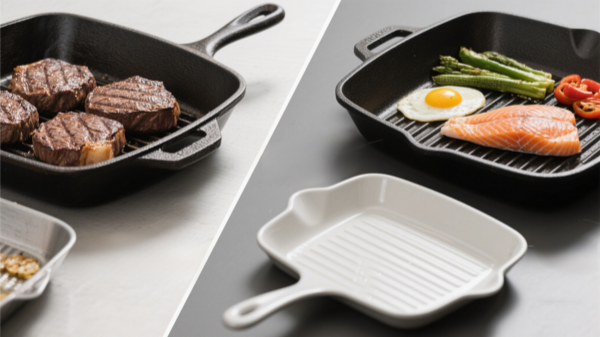
| Material | Pros | Cons | Ideal For |
|---|---|---|---|
| Cast Iron | Excellent heat retention; induction compatible; durable | Heavy; requires seasoning and careful drying | High‑heat searing; steaks, burgers |
| Aluminum (Coated) | Lightweight; rapid heat response; easy handling | May warp under extreme heat; some not induction safe | Quick sear; lighter proteins, vegetables |
| Ceramic/Nonstick | PFOA/PTFE free; effortless food release; easy cleanup | Limited lifespan; lower max temperature tolerance | Delicate fish; eggs; low‑fat cooking |
Understanding these trade‑offs ensures you choose a grill pan that aligns with your cooking habits and maintenance preferences.
4. Safety & Health Considerations
Grill pans can pose health risks if misused or poorly manufactured. Key concerns include:
4.1 PFOA & PTFE Breakdown
Traditional nonstick coatings (Teflon) can release toxic fumes if overheated above 500 °F. Choose PFOA/PTFE‑free ceramic coatings to eliminate this risk.
4.2 Metal Leaching
Bare aluminum pans may leach trace aluminum ions into acidic or salty foods, potentially imparting a metallic taste. Hard‑anodized or coated aluminum avoids this issue.
4.3 Safe Usage Tips
- Avoid preheating empty nonstick or ceramic pans on high heat to prevent coating damage.
- Opt for reputable brands with clear safety certifications (FDA, Prop 65 compliance).
- Replace pans when coatings show flaking, cracking, or significant wear.
5. Cleaning & Maintenance Best Practices
Proper cleaning preserves performance and extends the life of your grill pan. Follow these steps:
5.1 Everyday Cleaning
For nonstick/ceramic pans: rinse with warm water and mild dish soap; avoid harsh scourers.
5.2 Cast Iron Care
Wipe excess grease, then scrub with coarse salt and a paper towel to lift debris. Rinse lightly, dry thoroughly, and apply a thin oil layer before storing.
5.3 Deep Cleaning
Boil water with a tablespoon of baking soda or vinegar in the pan for 10 minutes to loosen stubborn residue. Scrub gently and re‑season cast iron as needed.
Pro Tip: Use a designated silicone brush (e.g., OXO Good Grips) to clean without damaging surfaces.
6. Buying Guide: Key Features to Look For
Selecting the right grill pan requires attention to:
- Size & Shape: Ensure the pan fits your burner layout and cooking volume; square pans maximize cooking area, while round pans fit small burners better.
- Ridge Height & Spacing: Taller, widely spaced ridges create deeper char lines but can make flipping delicate foods harder.
- Handle Design: Look for heat‑resistant, ergonomic handles with secure rivets or welded construction.
- Compatibility: Verify induction compatibility if needed; many cast iron and hard‑anodized aluminum pans work on all stovetops.
- Warranty & Brand Reputation: Invest in reliable brands offering multi‑year warranties and clear safety certifications.
7. Comparing Grill Pans with Other Cookware Options
Understand when a grill pan is the best choice vs. alternatives:
7.1 Grill Pan vs. Skillet
Skillets offer full flat contact for uniform browning, while grill pans provide char lines and fat drainage.
7.2 Grill Pan vs. Griddle
Griddles feature a smooth surface for cooking multiple items at once; grill pans are better for seared marks and channeling away grease.
7.3 Grill Pan vs. Outdoor Grill
While true grills impart smoky flavors from charcoal or wood, grill pans deliver convenience and control indoors without flare‑ups.
8. Conclusion
By weighing material properties, safety factors, cleaning demands, and feature trade‑offs, you can confidently choose and care for the perfect grill pan to suit your kitchen and culinary style. Share your favorite grill‑pan recipes or questions in the comments below!
How Many Pots and Pans Do You Need? Kitchen Cookware Guide for Every Lifestyle
Mastering the Grill Pan: A Complete Guide to Indoor-Outdoor Cooking