The Perfect Fit: A Science-Based Guide to Choosing the Right Frying Pan Size

1. Introduction: Why Frying Pan Size Matters
Choosing the right frying pan size is not just about aesthetics in your kitchen; it has a direct impact on your cooking outcomes. From optimal heat distribution and improved portion control to increased versatility, the size of your frying pan plays a pivotal role in creating delicious meals consistently. A pan that is too small may lead to overcrowded food and uneven cooking, while one that is too large can waste energy and compromise the quality of your dish. Understanding these nuances can help you avoid common mistakes such as poor heat retention and inadequate cooking space, ensuring your culinary endeavors are both efficient and enjoyable.
2. How to Measure a Frying Pan: The Basics
Before you invest in a new frying pan, it is essential to understand how to measure size of frying pan accurately. This section provides a step-by-step guide to measuring your frying pan, so you can compare sizes and choose the right fit for your cooking needs.
Step-by-Step Measurement Guide
- Measure the Diameter: Place a ruler or tape measure across the top of the pan, from one edge to the opposite edge. This measurement is key to determining the cooking surface area.
- Consider the Depth: Evaluate whether you prefer a standard shallow fry pan or a deeper version, especially if you plan to use it for sauces or dishes that require more liquid capacity.
- Check the Handle: Measure the length and assess the balance. A well-designed handle can significantly affect ease-of-use and safety during cooking.
- Weigh It: Although not always necessary, weighing your pan using a kitchen scale can give you a sense of its sturdiness and potential heat retention properties.
Visual aids such as diagrams or photographs highlighting these measurement points can further simplify the process, ensuring that you have a clear understanding of what to look for when comparing different pans.
3. What Size Frying Pan Do I Need? Key Factors to Consider
This section addresses the critical question: "what size frying pan do i need" to best suit your household and cooking style. While the right size ultimately depends on individual needs, several factors can guide your decision-making process.
Household Size
The number of people you usually cook for is the first factor to consider:
- 1-2 People: An 8- to 10-inch pan is usually sufficient for preparing meals like eggs, quick stir-fries, or single-serve dishes.
- 3-4 People: A 10- to 12-inch pan offers more surface area for meal prep, making it ideal for family dinners and larger servings.
- 5+ People: When feeding a larger group, you might consider a 12-inch or larger pan, or even adopting a multi-pan strategy to handle diverse dishes simultaneously.
Cooking Habits
Your cooking style and typical recipes play a significant role in determining the right pan size. Here are some considerations:
- Everyday Meals: For dishes like eggs, stir-fries, and sautés, a moderately sized pan (around 10 inches) often suffices. It provides ample space without excessive weight.
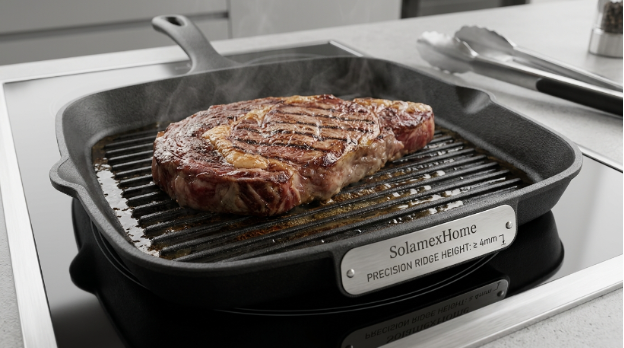
- Batch Cooking and Special Techniques: If you frequently sear large cuts of meat or prepare dishes that require high heat and space for browning, opting for a larger pan (12 inches or more) may be beneficial.
- Specialized Uses: Certain recipes such as omelets, pancakes, or shallow frying may require pans with specific dimensions or depths to achieve the desired texture and cooking result.
Stove Compatibility
It is not enough to simply choose a pan based on cooking capacity; you must also consider your stove type and burner size:
- Gas Cooktops: These usually have more variability in burner size, so it’s important to select a pan that matches the burner for even heat distribution.
- Electric and Induction Cooktops: Ensure that the pan’s base is compatible in size and material. For induction cooktops, a magnetic base is necessary for proper heat conduction.
- Heat Distribution: The relationship between the pan size and burner size can affect heat distribution. An oversized pan on a small burner may lead to uneven cooking, while a too-small pan on a large burner can overheat and damage the pan.
Additional Considerations
When evaluating which size to choose, consider these additional factors:
- Material and Weight: When selecting a frying pan, it's essential to consider both the material and size to ensure optimal performance and ease of use. Heavier pans, such as those made from cast iron, offer superior heat retention and even cooking; however, their substantial weight can make handling larger sizes cumbersome. Therefore, opting for a smaller cast iron pan may provide better maneuverability without sacrificing the benefits of the material. Conversely, lightweight materials like aluminum or non-stick cookware are easier to handle, allowing for the use of larger sizes without compromising control. This balance between material weight and pan size is crucial for achieving the desired cooking experience.
- Multi-Functionality: Sometimes, a pan that doubles as a sauté pan or even a Dutch oven can add versatility to your kitchen. In these cases, consider whether the pan size supports multiple cooking methods.
- Budget: While investing in a high-end brand might offer better durability and performance, there are also many affordable options that meet the basic requirements for everyday cooking. It’s important to balance cost with quality and your specific needs.
The decision on what size frying pan do i need should be driven by a combination of practical household needs and your specific cooking habits. By analyzing these key factors, you can select a frying pan that not only matches your stove and recipes but also enhances your overall cooking experience.
4. Common Frying Pan Sizes: Pros, Cons, and Best Uses
Understanding the common frying pan sizes and their corresponding strengths and limitations can further guide your decision:
| Frying Pan Size | Ideal Household Size | Suitable Cooking Tasks | Additional Considerations |
|---|---|---|---|
| 8-inch (20 cm) | 1-2 people | Frying eggs, sautéing vegetables, making omelets | Lightweight and easy to handle; limited capacity for larger meals |
| 10-inch (25 cm) | 2-3 people | Stir-frying, pan-searing meats, cooking pancakes | Versatile size for everyday cooking; fits most standard stovetops |
| 12-inch (30 cm) | 3-4 people | Cooking family-sized portions, searing multiple steaks, one-pan meals | Provides ample cooking surface; can be heavy and may require larger storage space |
| 14-inch (35 cm) and above | 5 or more people | Preparing large batches, catering, outdoor cooking | Typically used in commercial settings; requires ample storage and large stovetop |
5. Expert Tips for Choosing the Perfect Fit
Beyond measurements and size compatibility, here are some expert tips to ensure you pick the perfect frying pan for your needs:
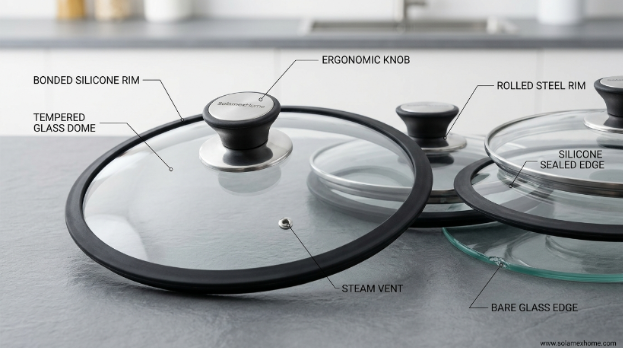
- Lid Compatibility: A matching lid not only helps in retaining heat but also offers versatility in cooking techniques such as braising.
- Material Considerations: Consider how the thickness and material of the pan (e.g., cast iron versus non-stick) influence cooking performance, heat retention, and ease of cleaning.
- Ergonomics and Balance: When possible, test the pan for balance and comfort. A well-balanced pan can significantly reduce the risk of accidents and improve overall cooking efficiency.
- Budget and Durability: Compare high-end brands with more affordable options. Reviews and expert opinions can guide you toward a pan that offers the best long-term value.
6. Final Checklist Before Purchase
Before finalizing your purchase, run through this checklist to ensure that you have covered all essential aspects:
- Measure your stovetop burner size to ensure compatibility.
- Assess your household size and typical meal portions.
- Consider your cooking habits and the type of dishes you prepare most often.
- Check for lid compatibility and material quality.
- Review customer feedback on handling, durability, and performance.
- Evaluate storage space and how the pan will fit into your existing kitchen setup.
7. Conclusion: Size Doesn’t Matter… But It Does!
Choosing the right frying pan size may seem trivial at first glance, yet it holds significant weight in achieving the perfect cooking outcome. By understanding the measurement basics, analyzing your household size and cooking habits, and matching your pan with your stove type, you can avoid common pitfalls and elevate your culinary skills.
The right frying pan not only enhances heat distribution and portion control but also contributes to your overall kitchen efficiency and satisfaction. Whether you’re preparing a simple breakfast or an elaborate dinner, investing in the right size can make all the difference in creating memorable meals for years to come.
Frequently Asked Questions (FAQs)
Here are answers to some common questions that may help you further refine your decision:
- Can I use a larger pan than my burner? – Yes, but doing so may result in uneven heating. Ideally, choose a pan that closely matches your burner’s size for optimal performance.
- How deep should a frying pan be? – This depends on your cooking needs. Standard pans are shallower and great for quick sautéing, while deeper pans work well for braising and dishes with more liquid.
- What’s the difference between a skillet and a frying pan? – While the terms are often used interchangeably, skillets typically refer to pans with slightly higher sides and a more robust construction, making them versatile for both frying and oven use.
By keeping these insights in mind, you are well-equipped to make an informed choice that suits your lifestyle, cooking style, and kitchen configuration. Embrace the process of selecting the ideal frying pan, and soon you’ll notice how the right size can elevate your culinary creations.
How to Choose the Perfect Frying Pan Size for Your Kitchen
How Big of A Stockpot Do i Need? Quick Tool to Find Your Perfect Size