The Science of Dishwasher Safe Cookware: 2025 Buyer’s Guide
Introduction: Say Goodbye to Hand-Washing Hassles
In the fast-paced rhythm of modern life, time is a precious commodity. Dishwasher safe cookware emerges as a game-changer, offering unmatched convenience and longevity. Whether you’re a professional chef or a home cook, the ability to toss pots and pans into the dishwasher without worry revolutionizes meal preparation.
But not all cookware is created equal. Material science plays a pivotal role in determining dishwasher compatibility. From stainless steel’s resilience to ceramic’s non-toxic appeal, each material has unique strengths and limitations. This guide will navigate the complexities, empowering you to make informed choices that align with your cooking habits, health priorities, and budget.
Material Breakdown: The Science Behind Dishwasher Safe Cookware
1. Stainless Steel: The Workhorse of the Kitchen
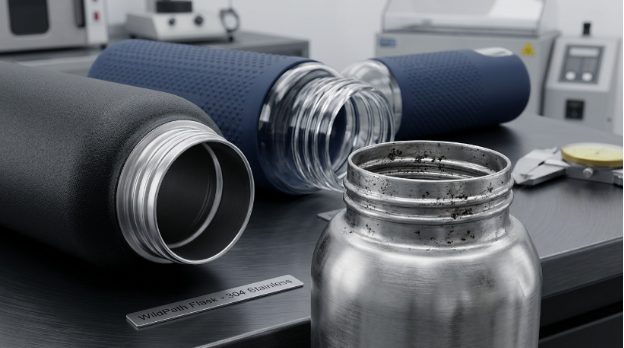
Premium grades like 304 stainless steel resist corrosion and high temperatures, making them ideal for daily use. Their non-porous surface prevents food residue buildup, ensuring thorough cleaning in the dishwasher.
Care Tips: Avoid abrasive detergents and opt for gentle cycles to prevent scratches. High-end options like All-Clad D3 feature multi-ply construction for even heat distribution.
Certifications: Look for NSF or EU Ecolabel certifications to ensure food-grade safety.
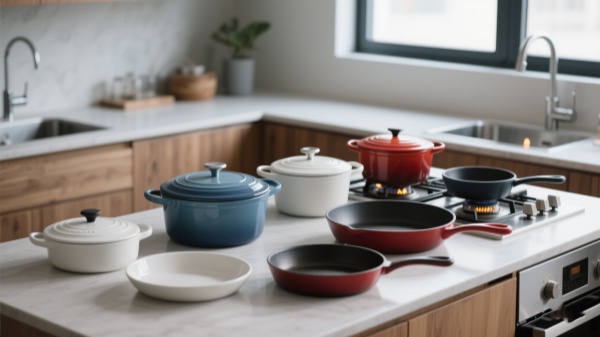
2. Ceramic & Enamel: Health-Conscious Elegance
Non-toxic and naturally non-stick, ceramic cookware (e.g., GreenPan Valencia Pro, Solamex Ceramic Coating Cast Aluminum Series) is perfect for health-focused cooking. Enameled cast iron retains heat superbly but requires gentle handling to avoid chipping.
Maintenance: Avoid sudden temperature changes and inspect coatings regularly for wear. While some brands claim dishwasher safety, hand-washing is recommended to preserve the non-stick properties.
3. Aluminum & Hard-Anodized Aluminum: Speed and Efficiency
Aluminum’s excellent thermal conductivity makes it ideal for quick-cooking dishes. Hard-anodized variants (e.g., T-Fal Ultimate) are more durable but require acid-free detergents to prevent corrosion.
Limitations: Non-anodized aluminum reacts with acidic foods, so stick to coated options. Some brands like Cuisinart offer dishwasher-safe hard-anodized sets.
4. Nonstick Cookware: Convenience with Caveats
Newer ceramic-titanium coatings (e.g., Scanpan) claim dishwasher resistance, but traditional Teflon-based pans degrade over time. Hand-washing remains the safest bet for longevity.
Health Alert: Ensure coatings are PFOA/PFAS-free (e.g., Blue Diamond’s diamond-infused ceramic) to avoid harmful chemical exposure.
Material Comparison Table
| Material | Durability | Heat Resistance | Cleaning Ease | Health Safety |
|---|---|---|---|---|
| Stainless Steel | ★★★★★ | ★★★★★ | ★★★★☆ | ★★★★★ |
| Ceramic | ★★★★☆ | ★★★★☆ | ★★★★★ | ★★★★★ |
| Hard-Anodized Aluminum | ★★★★☆ | ★★★★★ | ★★★★☆ | ★★★★☆ |
| Nonstick (Ceramic) | ★★★☆☆ | ★★★☆☆ | ★★★★★ | ★★★★★ |
Choosing the Right Cookware: A Personalized Approach
1. Cooking Style Compatibility
High-Heat Cooking: Opt for stainless steel or hard-anodized aluminum. Healthy Low-Fat Meals: Ceramic or advanced nonstick pans (e.g., Sensarte’s 17-piece set) excel in reducing oil usage. Multi-Scenario Use: Carote’s detachable handle sets seamlessly transition from stovetop to oven to dishwasher.
2. Eco-Friendly and Health Considerations
Sustainability: Recycled stainless steel (Nutrichef 14-piece set) and energy-efficient designs (Energy Star-certified dishwashers) align with green living. Certifications: Prioritize NSF, EU Ecolabel, or CQC-certified products to ensure non-toxic materials and ethical production.
3. Budget and Long-Term Value
Budget-Friendly: Cook N Home’s aluminum sets offer affordability without compromising performance. Investment Grade: Scanpan Classic combines German engineering with scratch-resistant ceramic-titanium coatings, promising decades of use.
Maintenance Tips: Prolonging Your Cookware’s Lifespan
1. Pre-Treatment: Prevention is Key
Immediate Rinse: Soak starchy or saucy residues to prevent caking. A mixture of baking soda and warm water works wonders for stubborn stains. Gentle Scrubbing: Avoid steel wool; use nylon brushes or soft cloths instead.
2. Detergent and Cycle Selection
Detergent Choice: Finish Quantum’s Powerball technology dissolves tough residues, while Seventh Generation’s plant-based formulas are eco-friendly. Cycle Customization: Use high-heat cycles for stainless steel and delicate cycles for ceramic or nonstick.
3. Drying and Storage
Prompt Drying: Wipe stainless steel dry to prevent water spots. Air-dry ceramic to avoid thermal stress. Organized Storage: Use padded dividers to protect nonstick surfaces from scratches.
Common Myths Debunked: Separating Fact from Fiction
Myth 1: Dishwasher Safe = Indestructible
Reality: Many coatings (e.g., traditional nonstick) degrade over time. Check labels for long-term durability claims.
Myth 2: All Stainless Steel is Equal
Reality: 304 stainless steel outperforms 430 in corrosion resistance. Avoid pans with copper cores, as they may react with detergents.
Myth 3: Dishwashers Ensure Spotless Cleanliness
Reality: Grease buildup can clog filters. Monthly vinegar-baking soda cleans (1 cup each) keep your dishwasher—and cookware—pristine.
Future Trends: Innovations Shaping 2025 and Beyond
1. Advanced Materials
Diamond-Infused Ceramics: Blue Diamond’s technology increases hardness by 5x, extending lifespan to 10 years. Graphene Coatings: Early prototypes (e.g., All-Clad G5 Graphite Core) promise 30% faster heat conduction and 1,000+ dishwasher cycles.
2. Smart Integration
Sensor Technology: LG’s 2025 smart dishwashers may detect cookware material and adjust cycles automatically. Self-Cleaning Surfaces: Photo-catalytic coatings break down grease when exposed to light, reducing manual scrubbing.
3. Sustainable Design
Replaceable Coatings: Sensarte’s modular pans allow users to swap worn-out layers instead of replacing entire sets. Biodegradable Materials: PLA-based coatings (e.g., Korean PHA+PLA bowls) offer eco-friendly alternatives, though still rare in cookware.
Conclusion: Balancing Convenience and Quality
Dishwasher safe cookware is more than a luxury—it’s a lifestyle upgrade. By prioritizing materials, maintenance, and future-proofing, you can enjoy effortless cleaning without compromising performance. As technology evolves, the line between convenience and sustainability will only blur, offering even smarter solutions for modern kitchens.
Ready to transform your cooking experience? Share your favorite dishwasher-safe hacks in the comments below!
Q&A: Your Burning Questions Answered
Q1: Can I put nonstick pans in the dishwasher?
A: Newer ceramic-titanium options (e.g., Scanpan) are safe, but hand-washing remains best for traditional nonstick. Inspect coatings every 3-6 months.
Q2: How do I verify dishwasher safety?
A: Look for NSF or EU Ecolabel certifications. Cross-reference with reviews on platforms.
Q3: Do dishwasher-safe pans affect cooking performance?
A: Stainless steel and ceramic retain heat well. Nonstick pans may lose some slickness over time—replace every 2-3 years for optimal results.
Q4: Are eco-friendly cookware sets worth the cost?
A: Yes. Brands like Nutrichef save 60% water and reduce waste, offering long-term savings.
Dishwasher Safe Cookware 2025: Ultimate Guide to Materials, Care & Future Trends
The Ultimate Guide to Storing Pots and Pans: Material-Specific Care & Space Solutions