The Truth About Wok Disadvantages: 7 Hidden Drawbacks You Need to Know Before Buying
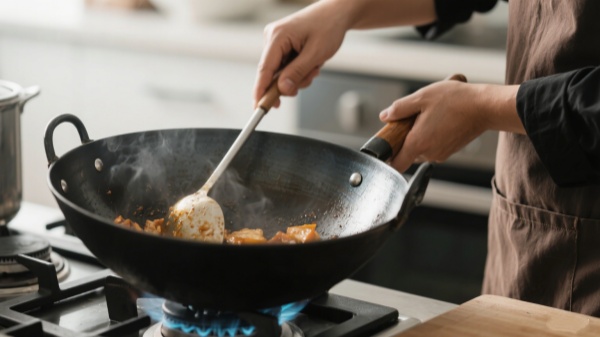
Picture this: sizzling vegetables dancing in a smoky wok, that distinctive aroma of "wok hei" filling your kitchen, just like your favorite Chinese restaurant. Sounds amazing, right? But here's what they don't tell you in those glossy cooking shows...
Last year, I watched my neighbor Sarah excitedly unbox her brand-new carbon steel wok. Six months later? It's collecting dust in her garage, right next to that bread maker from 2019. And she's not alone – I've seen this story play out countless times.
Look, I'm not here to bash woks. When they work, they're absolutely magical. But before you drop $50-150 on what might become your next kitchen regret, let's talk about the real disadvantages that nobody mentions. Trust me, your future self will thank you.
Understanding the Wok: Quick Background
Before we dive into the problems, let's get on the same page about what we're actually discussing.
What Exactly Is a Wok?
A wok isn't just "that round Asian pan." It's a centuries-old cooking vessel from China, designed with deep, sloped sides that create different heat zones – scorching hot at the bottom, cooler as you go up. This design isn't accidental; it's brilliant engineering for a specific style of cooking.
Types You'll Encounter
By Material:
- Carbon Steel – The traditionalist's choice, lightweight and responsive
- Cast Iron – The heavyweight champion, literally
- Non-stick – The controversial newcomer
- Stainless Steel – The pretty one that doesn't quite get it (3-ply and 5-ply will be better)
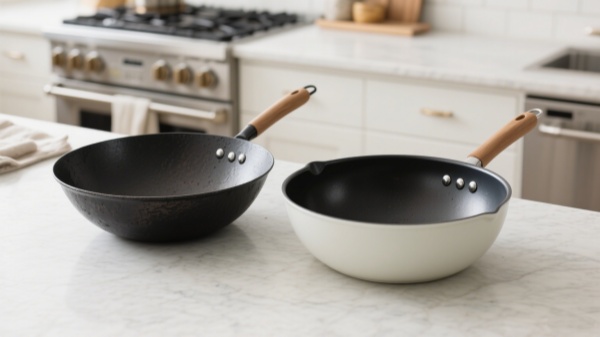
By Bottom Shape:
- Round-bottom – Traditional, needs a special stand
- Flat-bottom – Modern compromise for Western kitchens
Now that we're clear on what we're dealing with, let's get into the nitty-gritty.
The 7 Major Wok Disadvantages Nobody Talks About
Here's where things get real. These aren't minor inconveniences – they're the deal-breakers that send woks to kitchen graveyards across America.
1The High-Maintenance Relationship: Seasoning and Care
Remember when cast iron woks became trendy and everyone discovered they're basically kitchen pets? Well, carbon steel woks are their needier cousins.
Here's what "seasoning" actually means in practice:
- Spending 30-45 minutes burning oil onto metal
- Never using soap (yes, really)
- Immediately drying after every wash – and I mean immediately
- Regular re-seasoning when things go wrong
And heaven help you if you cook something acidic like tomatoes. That carefully built patina? Gone. Start over.
2The Stove Compatibility Nightmare
This one's a killer for apartment dwellers. Traditional round-bottom woks and modern flat-top stoves go together like oil and water – except worse, because at least oil and water can coexist in the same container.
Your options? All compromises:
- Wok ring: Lifts your wok so far from the heat source, you might as well be cooking with a hairdryer
- Flat-bottom wok: Works on your stove but heats like a regular pan, defeating the whole purpose
- Give up: The choice of 70% of wok owners
Electric and induction stoves? Even worse. They heat too slowly and can't achieve the instant temperature changes that make wok cooking special.
3The Heat Requirement That'll Make You Cry
Restaurant woks work on burners that output 100,000+ BTUs. Your home stove? Maybe 15,000 on a good day.
Without serious heat, you get:
- Vegetables that steam instead of sear
- Meat that releases water and boils in its own juices
- That sad, gray color instead of beautiful caramelization
- Zero "wok hei" – that smoky essence that makes wok cooking special
4The Storage Struggle Is Real
A 14-inch wok with a helper handle is basically a small satellite dish. Now try fitting that in your already-crowded kitchen cabinet.
Storage reality:
- Too big for most cabinets
- Awkward shape that wastes space
- Can't stack anything in it (ruins the seasoning)
- Hanging it requires wall space you probably don't have
I've seen people store woks in ovens, on top of fridges, even in bedroom closets. That's not convenient cooking – that's an obstacle course.
5The Learning Curve That's Actually a Cliff
YouTube makes wok cooking look easy. Toss, flip, sizzle, done! Reality check: there's a reason professional wok chefs train for years.
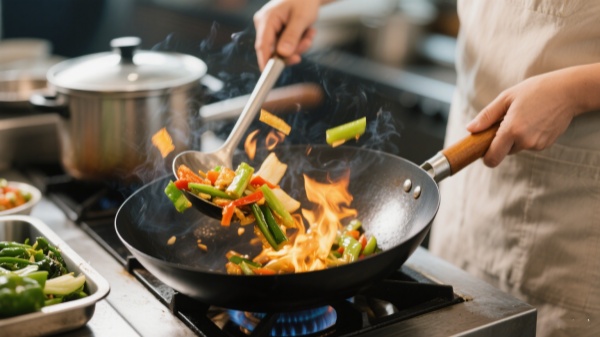
Common beginner disasters:
- Overcrowding (turning stir-fry into soup)
- Wrong heat management (burnt garlic, anyone?)
- Poor timing (overcooked vegetables, undercooked meat)
- The dreaded "everything stuck to the bottom" syndrome
My first attempt at wok cooking? Let's just say the smoke alarm wasn't the only thing screaming. The learning curve isn't just steep – it's covered in oil and extremely slippery.
6Material Compromises: Pick Your Poison
Every wok material comes with a catch-22:
Carbon Steel: Light and responsive, but one forgotten drying session = rust city. Can't handle acidic foods. Requires religious maintenance.
Cast Iron: Great heat retention, but weighs as much as a bowling ball. Good luck tossing vegetables in a 15-pound pan. Your wrists will file for divorce.
Non-stick: Convenient but completely defeats the purpose. Can't handle high heat without releasing toxic fumes. It's like buying a sports car with a speed limiter at 35 mph.
Stainless Steel: Pretty and durable, but food sticks like it's been superglued. You'll spend more time scraping than cooking.
7Limited Practical Use for Many Home Cooks
Here's the uncomfortable truth: if you're not cooking Asian cuisine at least 2-3 times a week, a wok might be overkill.
Sure, woks are versatile in theory. But in practice:
- Your Dutch oven is better for braising
- Your skillet is better for searing steaks
- Your saucepan is better for... making sauce
- Your non-stick is better for eggs
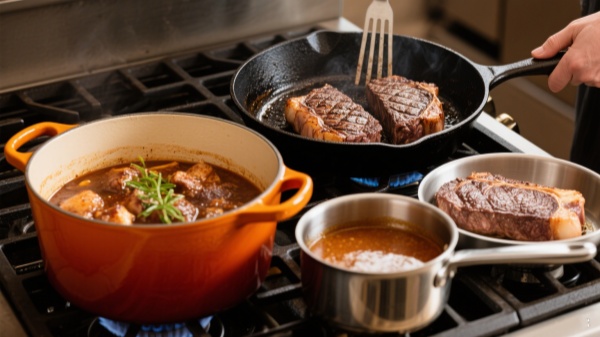
I surveyed 20 wok owners last month. Average usage? Once every three weeks. That's a lot of cabinet space for something you use 17 times a year.
OK, But What About the Good Stuff?
Fair's fair – I've been pretty harsh. When conditions align (gas stove, dedication to maintenance, regular Asian cooking), woks can be incredible.
The Undeniable Advantages:
- Versatility king: One pan for stir-frying, deep-frying, steaming, braising
- Speed demon: Cooks food faster than almost any other method
- Flavor creator: That "wok hei" is real and spectacular (when you can achieve it)
- Healthier cooking: Less oil needed, nutrients preserved through quick cooking
When my chef friend David uses his wok on his modified outdoor burner, it's like watching a conductor with an orchestra. But he also spent two years in Hong Kong learning from masters. See the disconnect?
Your Burning Questions Answered
The Bottom Line: Should YOU Buy a Wok?
After all this, here's my honest take:
✅ Get a wok if you:
- Have a gas stove (non-negotiable, really)
- Cook Asian food multiple times per week
- Enjoy the process of maintaining cookware
- Have adequate storage space
- Are patient enough to learn proper technique
❌ Skip the wok if you:
- Use an electric or induction stove (Click here to find induction cookware)
- Want grab-and-go convenience
- Have limited kitchen space
- Prefer low-maintenance cooking
- Only occasionally crave stir-fry
Listen, there's no shame in admitting a wok isn't for you. I'd rather see you with a good skillet you use daily than a wok gathering dust. The best pan is the one that actually gets used.
Whatever you decide, at least now you know what you're really signing up for. And that's worth more than any amount of "wok hei."

Solamex — Wholesale Pots and Pans Expertise
Solamex offers woks wholesale and a comprehensive range of wholesale pots and pans, combining durable materials, precise craftsmanship, and flexible product customization. From premium stainless steel to advanced nonstick lines, our catalog is built for both retail distribution and demanding commercial kitchens — ensuring consistency in performance and presentation.
The Only Stock Pot Size Guide You'll Ever Need: From Solo Meals to Family Feasts
Wok Disadvantages: What to Know Before You Buy