The Ultimate Guide to Choosing the Best Outdoor Frying Pan for Your Adventures
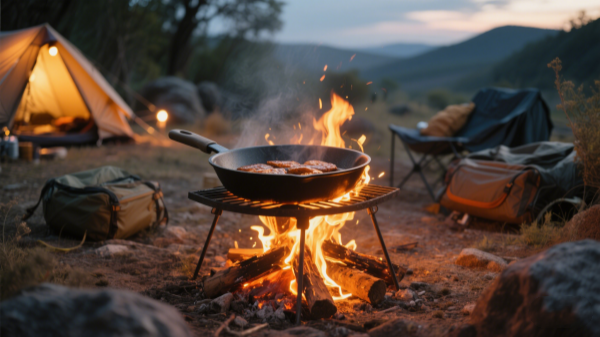
The Ultimate Guide to Choosing the Best Outdoor Frying Pan for Your Adventures
Welcome to your one-stop resource for outdoor cooking enthusiasts! If you've ever struggled with a heavy cast iron or battled a sticky, subpar nonstick pan on your camping trip, you're in the right place. In this comprehensive guide, we'll explore why choosing the right outdoor frying pan is essential, and we’ll walk you through the key factors—including materials, design features, and maintenance tips—to help you elevate your outdoor culinary experience. With a special spotlight on aluminum frying pans, you'll learn why this option might just be the perfect fit for your adventurous lifestyle.
Introduction: Why Outdoor Frying Pans Matter
Outdoor cooking is not only about savoring delicious meals amid nature; it’s about the experience, spontaneity, and the joy of crafting memorable moments with friends and family. Recent Google Trends data indicates that North American barbecue and outdoor cooking experiences see a peak in interest during July, driven by seasonal camping and festivals. However, many outdoor enthusiasts have encountered a common frustration – the use of bulky, heavy pans or low-quality nonstick surfaces that drastically reduce the enjoyment and convenience of cooking in the wild.
Imagine planning a perfect summer camping trip only to have your culinary efforts sabotaged by a heavy cast iron skillet that's difficult to transport or a frying pan that sticks to every ingredient. This ultimate guide is designed to help you navigate the myriad of options available on the market, ensuring that you find the best outdoor frying pan that meets your practical needs while enhancing your overall outdoor cooking experience. Whether you're new to camping or a seasoned adventurer, this guide has something for everyone.
Key Factors to Consider Before Buying
When selecting an outdoor frying pan, several factors should be considered to ensure that your cooking needs are met without compromise. Let’s explore the critical components:
Material Analysis
The material of your outdoor frying pan is arguably the most important factor. Each material offers its unique benefits and drawbacks:
- Cast Iron: Known for its excellent heat retention, cast iron is a durable option. However, it requires regular seasoning and maintenance to avoid rust.
- Titanium: Titanium frying pans are incredibly lightweight, making them an excellent choice for backpackers. The trade-off is slower heat conduction, which may affect cooking times.
- Stainless Steel: Renowned for durability and resistance to corrosion, stainless steel pans are robust, though often heavier and potentially less efficient in heat distribution.
- Cast Aluminum: Highly recommended for outdoor cooking due to its superior cost-performance ratio. Cast Aluminum pans are lightweight, heat up quickly, and offer even cooking while maintaining a budget-friendly price point. With proper care to prevent scratches, they serve as an optimal choice for most outdoor enthusiasts.
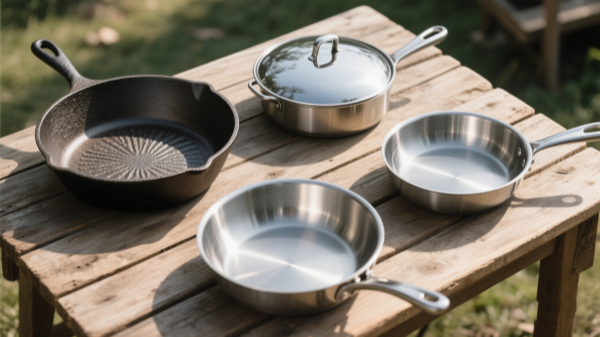
Additionally, consider the size and capacity of your frying pan. Think about how many people you'll be feeding (ranging from solo trips to family outings) and choose accordingly. A pan that meets your specific needs can make a significant difference in both functionality and portability.
Design & Functionality Features
Design innovations in outdoor cookware have made a significant impact on usability. Look out for the following features when choosing your pan:
- Foldable or ergonomic handles: Enhance portability and ensure safe handling when cooking on the go.
- Nonstick coatings: Essential for easy cleaning; however, ensure that the coating is of high quality to avoid peeling over time.
- Temperature indicators: Integrated thermometers can help monitor cooking progress, particularly useful in outdoor conditions.
Heat Source Compatibility
Finally, your pan should be compatible with multiple heat sources:
- Gas stoves: Widely used for outdoor cooking due to their efficiency and control.
- Charcoal fires: Provide a traditional cooking experience that pairs well with robust cookware.
- Induction and electric stoves: Some advanced pans are designed to work with these modern heat sources as well.
Comparison Table of Materials
| Material | Advantages | Disadvantages |
|---|---|---|
| Cast Iron | Excellent heat retention; durable | Heavy; requires seasoning and extensive maintenance |
| Titanium | Ultra-lightweight; highly portable | Slower heat conduction; higher price tag |
| Stainless Steel | Durable; resistant to rust and corrosion | Heavier; may have uneven heat distribution |
| Aluminum | Lightweight; fast and even heat distribution; affordable | Can scratch if not properly handled; may require nonstick coating care |
Among these options, aluminum frying pans stand out as the best option for most outdoor cooking scenarios. Their balance of light weight, affordability, and excellent heat conduction makes them perfect for adventurers who want quality performance without the bulk or high price.
Top Outdoor Frying Pans for Every Adventure
To help you navigate the options available, we’ve curated a list of top outdoor frying pans suitable for various scenarios. While each type of pan has its merits, our focus is on recommending aluminum pans when possible – given their portability and cost efficiency.
Backpacking Adventures
If you’re trekking through rugged terrains, you want the lightest gear possible. Titanium pans like the AMG titanium skillet are great options if weight is your prime concern. However, if you are looking for a balance between affordability and performance, the aluminum-based options provide both a lightweight design and rapid heat conduction.
Family Camping Trips
For those planning larger outings, capacity matters. Cast iron pans such as the GSI Guidecast 12-inch offer ample space but are notably heavy. Aluminum pans, on the other hand, come in various sizes suitable for small to medium groups and deliver quick heat-up times, ensuring that your family enjoys a hot meal in no time!
RV and Car Camping
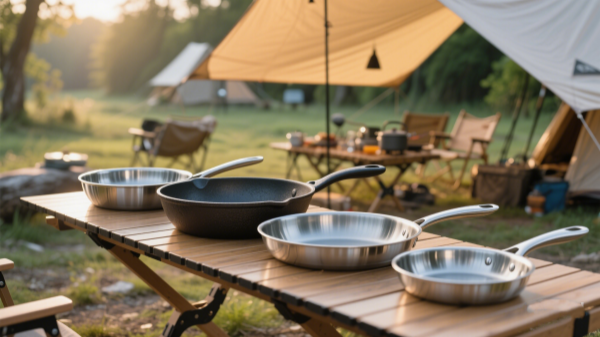
When space is limited yet versatility is essential, stainless steel cookware (like the Cuisinart multipurpose pan) may seem attractive. However, the benefits of aluminum’s portability and superior heat distribution give it a competitive edge, making it a practical choice even for home-on-wheels scenarios.
Budget-Friendly & High-Performance Options
For those who are price-conscious without sacrificing quality, aluminum pans are the clear winners. Products such as the Odoland camping set combine an efficient nonstick surface with a design that minimizes weight and cost. Furthermore, modern aluminum pans often feature enhanced durability measures, making them an excellent investment.
High-End Options
While some consumers might lean towards more luxurious options like the honeycomb-patterned stainless steel pans (e.g., RAZ 316 models), the performance-to-cost ratio of aluminum pans makes them hard to beat. With recent innovations in aluminum alloy technology, these pans now offer increased durability and even improved nonstick coatings that rival more expensive alternatives.
Maintenance Tips for Longevity
Proper care can extend the life of any outdoor frying pan, ensuring optimal performance across countless adventures.
Cast Iron
Cast iron pans require periodic seasoning and careful cleaning to avoid rust. They often need to be washed without soap and dried immediately, followed by a light layer of oil.
Titanium
Titanium cookware should be protected from extreme temperatures. Avoid high-heat dry burning and opt for medium heat to maintain its form and functionality.
Stainless Steel
Stainless steel pans are generally low-maintenance; however, regular cleaning and gentle scrubbing are advised to keep the surface pristine.
Aluminum
Aluminum pans excel in ease of maintenance. For best results, wash them with warm soapy water and a soft cloth to avoid damaging any nonstick coatings. Their robust design requires less intensive care compared to traditional cast iron, making them ideal for frequent outdoor use. Remember, even with nonstick surfaces, following manufacturer care instructions is crucial to prolong the life of your cookware.
Conclusion: Elevate Your Outdoor Cooking Experience
Choosing the right outdoor frying pan can transform your camping meals from mundane to extraordinary. The selection process is straightforward when you prioritize these four key aspects:
- Material: Understanding the pros and cons of cast iron, titanium, stainless steel, and, most importantly, aluminum.
- Scenario: Matching the pan size and functionality to your specific camping or travel needs.
- Design Features: Focusing on usability with ergonomic handles, nonstick coatings, and compatibility with diverse heat sources.
- Budget: Balancing cost with performance, where aluminum frying pans shine by offering high quality without breaking the bank.
For those ready to enhance their outdoor culinary adventures, we encourage you to consider the incredible benefits of an aluminum frying pan. Click the link below to explore the latest deals, reviews, and purchasing options that can bring a touch of innovative design and practical functionality to your outdoor kitchen.
Frequently Asked Questions (FAQs)
Q: What is the best material for an outdoor frying pan?
A: While each material has its benefits, aluminum is often recommended for its lightweight, affordability, and excellent heat conduction, making it an ideal choice for most outdoor cooking scenarios.
Q: How do I clean a cast iron camping skillet?
A: Clean your cast iron skillet with warm water and a soft sponge, avoid soap if possible, dry immediately, and apply a thin layer of oil to keep it seasoned and rust-free.
Q: Are titanium frying pans worth the price?
A: Titanium frying pans are extremely light and durable, making them great for backpacking. However, they may require longer heating times compared to aluminum pans.
Q: Can I use my outdoor frying pan on a gas stove?
A: Yes, most outdoor frying pans, including aluminum models, are designed to be compatible with gas stoves as well as other heat sources.
Unlocking the Magic of Cast Aluminum Cookware: Safety, Care & Versatility
Mastering Grill Pans & Griddles: A Home Chef’s Essential Handbook