The Ultimate Guide to Cleaning Stainless Steel Cookware: Tips, Techniques, and Maintenance
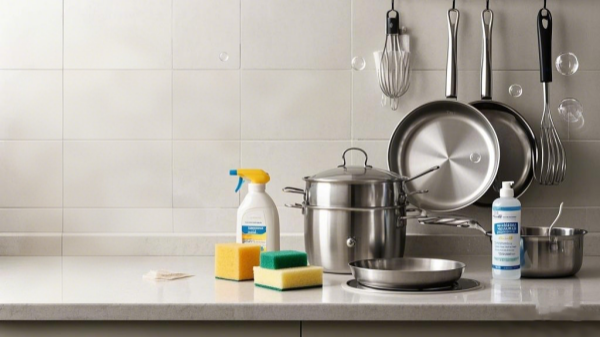
Stainless steel cookware is a cornerstone in many kitchens due to its durability, even heat distribution, and non-reactive surface. However, to ensure these benefits remain intact, it’s crucial to clean your stainless steel pans properly. Whether you're dealing with everyday grease or stubborn burnt-on stains, knowing how to clean and maintain your cookware will keep it performing at its best for years to come. In this guide, we'll walk you through daily cleaning routines, deep cleaning techniques, and recommended maintenance tips. We will also address frequently asked questions to help dispel common cleaning misconceptions.
Understanding Stainless Steel Cookware
Stainless steel is prized for its resistance to rust and corrosion, making it ideal for long-term use in the kitchen. Cookware made from stainless steel is non-reactive, meaning it won’t alter the taste or color of acidic foods. Additionally, many modern pans are constructed using multi-ply or tri-ply techniques, which incorporate layers of aluminum or copper between stainless steel surfaces. This construction enhances heat distribution and ensures that the pan heats evenly, reducing the risk of hot spots and improving overall cooking performance.
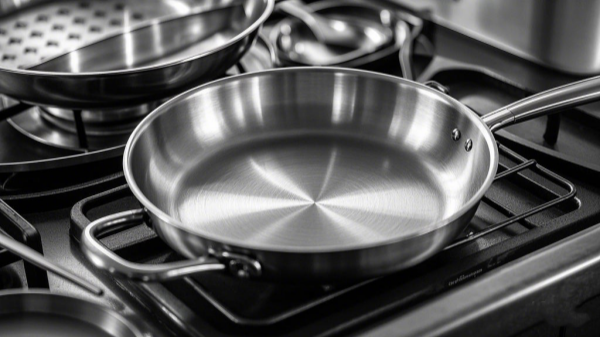
Whether you are using a stainless steel frying pan, saucepan, or stockpot, maintaining a pristine surface is key to preserving its functionality. Regular cleaning not only keeps your cookware visually appealing but also prevents buildup that can impair heat conduction and even lead to food sticking.
Daily Cleaning Routine
The foundation of good cookware care is a consistent daily cleaning routine. After each use, follow these steps to keep your stainless steel cookware in top condition:
- Clean Immediately: Rinse your cookware with warm water as soon as possible after cooking. This prevents food residue from hardening.
- Use Mild Dish Soap: Apply a few drops of a gentle dish detergent and use a soft, non-abrasive sponge to wipe away grease and particles.
- Rinse and Dry: Rinse thoroughly with warm water to remove any soap residue, and dry immediately with a soft cloth to prevent water spots.
Incorporating these daily steps minimizes the buildup of stubborn residues and ensures that your cookware remains easy to clean over time.
Deep Cleaning Techniques for Tough Stains
Despite regular daily cleaning, there may be times when stubborn stains, burnt-on food, or discoloration occur. Here are some deep cleaning techniques that can help restore your stainless steel cookware:
Baking Soda Paste Method
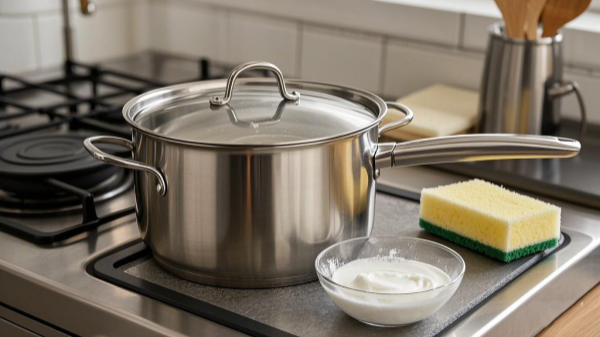
Baking soda is a gentle abrasive that can effectively remove tough stains without damaging the surface of your cookware.
- Mix a generous amount of baking soda with a small amount of water to create a thick paste.
- Apply the paste to the stained areas and let it sit for 15-20 minutes.
- Use a non-abrasive sponge or soft cloth to gently scrub the area.
- Rinse thoroughly with warm water and dry with a soft cloth.
Vinegar Solution
White vinegar, known for its acidic properties, can help break down burnt-on food and remove discoloration.
- Mix equal parts white vinegar and water in a spray bottle.
- Spray the solution generously over the affected areas.
- Allow it to sit for 10-15 minutes to loosen stubborn residues.
- Wipe the surface with a soft sponge, then rinse and dry thoroughly.
Commercial Cleaners
For particularly stubborn stains, commercial cleaners designed specifically for stainless steel can be highly effective. Products such as Bar Keeper’s Friend are formulated to tackle tough residues without harming your cookware. Always follow the manufacturer's instructions and rinse thoroughly after use.
Additional Tips for Removing Heat Tints and Discoloration
Heat-induced oxidation, often seen as a brown or rainbow tint, can occur when stainless steel pans are exposed to high temperatures. Regular deep cleaning with the methods above will help minimize this effect. In some cases, using a specialized stainless steel polish can restore the pan's original shine.
Recommended Tools and Products for Cleaning
The effectiveness of your cleaning efforts depends greatly on the tools and products you use. Here are some recommended options:
- Non-Abrasive Sponges: Soft sponges or microfiber cloths work best for daily cleaning without scratching the surface.
- Non-Scratch Scrubbers: These are ideal for tackling tougher stains during deep cleaning without damaging your cookware.
- Effective Cleaning Agents: Mild dish soap, baking soda, and white vinegar are natural choices. For deep cleaning, consider a stainless steel-safe commercial cleaner like Bar Keeper’s Friend.
- Avoid Harsh Abrasives: Avoid using steel wool or heavy-duty scrubbing pads that could scratch or dull the finish.
Maintenance Tips for Long-Lasting Cookware
Regular maintenance is crucial for keeping your stainless steel cookware in peak condition:
Proper Preheating
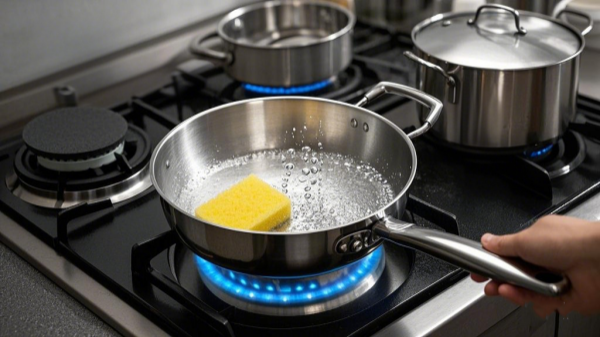
Preheating your pan correctly ensures even cooking and prevents food from sticking. Place the pan on medium heat for 2-3 minutes, then test with a few droplets of water. If the droplets form small beads and dance on the surface, the pan is ready. Avoid overheating to prevent discoloration.
Routine Deep Cleaning
In addition to daily cleaning, perform a deep cleaning once every few weeks or when you notice stubborn residue buildup. This helps maintain both performance and appearance.
Proper Storage
Always store your stainless steel pans in a dry place. If stacking multiple pans, use protective liners or soft cloths between them to prevent scratches and preserve their shine.
Frequently Asked Questions (FAQ) & Common Cleaning Misconceptions
1. How do I remove stubborn stains from my stainless steel cookware?
For tough, burnt-on stains, try using a baking soda paste or a vinegar solution. Apply the paste to the affected areas, let it sit for 15-20 minutes, then gently scrub with a non-abrasive sponge. If needed, repeat the process or use a stainless steel-safe commercial cleaner like Bar Keeper’s Friend for extra stubborn stains.
2. What cleaning products should I avoid when cleaning stainless steel cookware?
Avoid harsh abrasives such as steel wool and strong chemicals like bleach or degreasers. These products can scratch or damage the protective finish of your cookware. Instead, use mild dish soap, baking soda, and white vinegar for effective and safe cleaning.
3. How often should I perform a deep cleaning on my stainless steel cookware?
While daily cleaning with warm, soapy water is recommended after each use, a deep cleaning should be performed once every few weeks or whenever you notice stubborn residue buildup. Regular deep cleaning helps maintain the cookware’s performance and aesthetic appearance.
Conclusion and Introduction to Solamex
In summary, keeping your stainless steel cookware clean is essential for optimal performance and longevity. By following a regular daily cleaning routine and employing deep cleaning techniques when necessary, you can maintain the brilliance and functionality of your pans. Remember, using non-abrasive tools and appropriate cleaning agents is key to preserving the protective finish of your cookware.
Whether you're an avid home cook or a professional chef, proper maintenance of your stainless steel cookware will ensure it remains a reliable companion in your culinary endeavors. For those looking to source high-quality, cost-effective cookware, consider exploring wholesale options. Solamex is a professional wholesale cookware company dedicated to providing innovative, durable, and high-performance products for both home kitchens and professional culinary environments.
Happy cooking, and may your kitchen always shine!
Ensuring the Safety of Stainless Steel Cookware: An In-Depth Analysis
Can Stainless Steel Utensils Damage Your Cookware? A Definitive Guide