The Ultimate Guide to Non Toxic Pans: From Materials to Maintenance
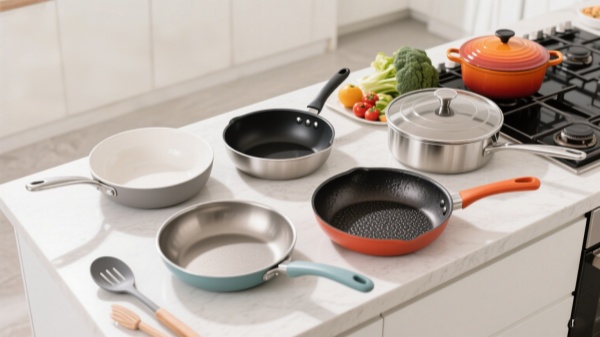
The Ultimate Guide to Non Toxic Pans: From Materials to Maintenance
Introduction: When the Kitchen Becomes a Health Battlefield — Why Traditional Non-Stick Pans Are Being Phased Out
The rise of health consciousness has brought non toxic cookware into the spotlight. For decades, traditional non-stick pans have relied on chemicals like PFOA and PFAS to achieve their slippery surface, but these substances are now under intense scrutiny for their potential health risks. Understanding the difference between toxic and non toxic options has become essential for modern households.
Recent studies have shown that exposure to certain chemicals in cookware can lead to long-term health issues, making the switch to non toxic pans not just a trend, but a necessary step for wellness. From family kitchens to professional restaurants, the demand for non toxic alternatives is skyrocketing as people prioritize safe cooking practices.
Material Revolution: The Underlying Logic and Core Differences of Non Toxic Pans
Ceramic Coating: A Modern Interpretation of Natural Power
Ceramic-coated pans have emerged as a leading non toxic option, leveraging natural minerals to create a smooth, non-stick surface. Unlike traditional coatings, high-quality ceramic layers contain no harmful chemicals, making them a favorite among health-conscious cooks.

The longevity of ceramic non toxic pans depends largely on proper care. User tests show that with gentle handling — avoiding metal utensils and extreme heat — these pans can maintain their non toxic properties and performance for up to 3 years or more.
Stainless Steel: The Timeless Choice for Professional Kitchens
Stainless steel stands as a stalwart in the world of non toxic cookware, prized for its durability and chemical-free composition. When properly constructed, stainless steel pans are completely non toxic, resisting corrosion and chemical leaching even with frequent use.
Premium brands like All-Clad use a 5-layer composite structure in their D3 series, balancing exceptional heat distribution with the non toxic benefits of stainless steel. This design ensures even cooking while maintaining the material's safe, non reactive properties.
A key advantage of non toxic stainless steel is its resistance to chemical reactions with acidic foods. Lemon juice tests confirm that high-quality stainless steel remains stable, preventing any toxic substances from leaching into your meals regardless of what you're cooking.
Cast Iron and Carbon Steel: The Comeback of Traditional Craftsmanship
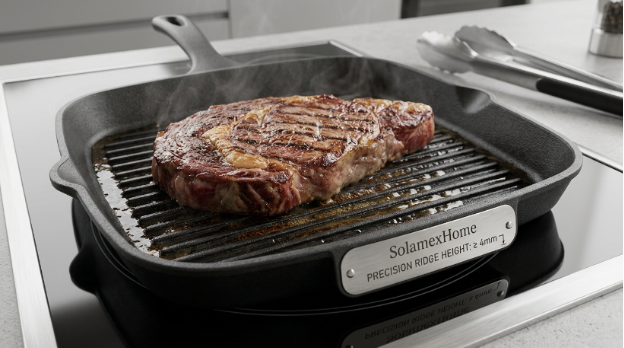
Cast iron and carbon steel represent some of the oldest non toxic cookware options, with a heritage spanning centuries. These materials are completely free of chemical coatings, deriving their non stick properties from proper seasoning rather than toxic substances.

Enthusiasts on Reddit often share their "seasoning rituals" for Lodge cast iron pans — a process that creates a natural, non toxic patina. This layer becomes increasingly non stick with use, all without any artificial chemicals.
Professional chefs particularly favor carbon steel for high-heat stir-frying, appreciating its ability to reach extreme temperatures while remaining non toxic. When properly maintained, these pans can last for generations, making them a sustainable non toxic choice.
Non Toxic Pan Material Comparison Chart
| Material | Safety Rating | Max Temperature | Cleaning Difficulty | Suitable Scenarios | Price Range |
|---|---|---|---|---|---|
| Ceramic (Non Toxic) | ★★★★☆ | 450°F | ★★☆☆☆ | Daily frying & sautéing | $30-$150 |
| Stainless Steel (Non Toxic) | ★★★★★ | 800°F | ★★★☆☆ | High-heat cooking & baking | $80-$300 |
| Cast Iron (Non Toxic) | ★★★★☆ | Unlimited | ★★★★☆ | Stewing & oven dishes | $20-$100 |
Shopping Guide: Golden Rules to Avoid Marketing Traps
Decoding Certification Systems
When searching for non toxic pans, certifications are your best ally — but not all certifications are created equal. Understanding what each label means can help you identify truly non toxic options amidst the marketing noise.
Dual certification from the US FDA and EU EFSA is a strong indicator of a non toxic product, as these organizations have stringent standards for food contact materials. Look for pans that specifically mention passing these rigorous tests.
Beware of the "PFOA Free" label alone — this is often a marketing tactic. For true non toxic assurance, seek out pans that explicitly state they are "PFAS Free," as this broader category includes all per- and polyfluoroalkyl substances, ensuring a truly non toxic cooking surface.
Hidden Thresholds in Structural Design
Beyond materials, a pan's structural design plays a crucial role in its safety and performance. Even non toxic materials can become problematic if the pan is poorly constructed.
The thickness of a pan's base affects both heat distribution and durability. Comparative tests show significant differences between 3mm aluminum cores and 5mm composite structures — the latter often providing more even heating, which is essential for preventing hot spots that can degrade even non toxic coatings.
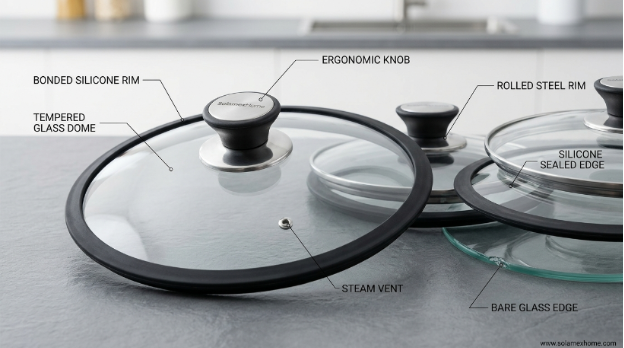
Ergonomic handle design is another often-overlooked aspect of non toxic cookware. The "burn incident" with GreenPan Valencia Pro serves as a warning: poorly designed handles can heat up dangerously, creating safety hazards despite the pan's non toxic coating. Look for handles with heat-resistant materials and secure attachment to the pan body.
Scenario-Based Shopping Guide
The best non toxic pans for you depend on your specific cooking needs and lifestyle. Here's how to match non toxic options to different scenarios:
For studio apartments, a compact set featuring a 24cm non toxic ceramic frying pan and an 18cm stainless steel saucepan offers versatility without taking up too much space — perfect for simple meals while maintaining non toxic standards.

Family kitchens benefit from a 30cm non-stick wok (seasoned for non toxic non stick performance) paired with an enameled cast iron Dutch oven. This combination handles everything from stir-fries to slow-cooked meals, all with non toxic properties.
Usage and Maintenance: Secrets to Extending Pan Lifespan
Scientific Seasoning Processes
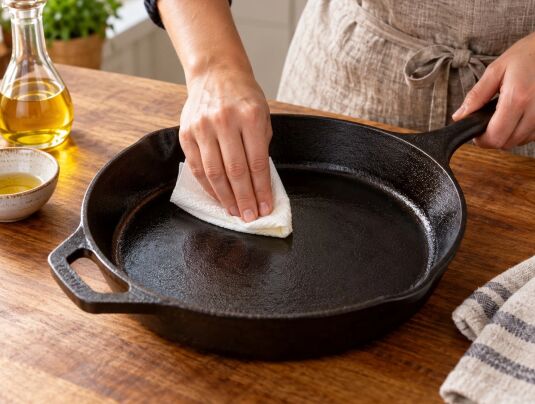
Proper seasoning is the foundation of maintaining non toxic cast iron and carbon steel pans, creating a natural non stick surface that improves with use.
Reddit users swear by the "lard seasoning method" for cast iron: applying a thin layer of rendered fat and heating it to create a polymerized layer that's both non stick and non toxic. This process seals the iron, preventing rust and creating that coveted natural coating.
For ceramic non toxic pans, a gentler seasoning approach is recommended: a vinegar soak followed by an olive oil treatment. This initial conditioning helps set the ceramic layer, enhancing its non stick properties while preserving its non toxic nature.
Red Flags for Forbidden Operations
Even the best non toxic pans can be compromised by improper use. Avoid these common mistakes to maintain your cookware's non toxic properties:
High-temperature dry heating is particularly damaging to non toxic coatings. Laboratory data shows that exceeding 450°F can cause even premium ceramic layers to degrade, potentially releasing particles. Always add oil or food before heating your non toxic pan.
Dishwashers pose a hidden threat to non toxic cookware. The ultrasonic vibrations and harsh detergents can accelerate the peeling of ceramic layers, compromising both the non stick properties and non toxic integrity of your pans. Hand washing is recommended for all non toxic coated cookware.
Repair and Replacement Strategies
With proper care, non toxic pans can last for years, but when damage occurs, knowing how to respond is key to maintaining a safe kitchen.
For minor scratches in non toxic ceramic coatings, a food-grade beeswax treatment can temporarily seal the damage. Apply a small amount, heat gently, and buff — this creates a temporary barrier until you can replace the pan.
Truth in Q&A: Debunking Common Misconceptions About Non Toxic Pans
Q: Does chipped ceramic coating release toxins?
Material science explains that high-quality ceramic particles bond mechanically to the metal base, rather than through chemical adhesion. When small chips occur, the particles released are typically inert aluminum oxide or silicon dioxide — common in many foods.
Clinical data shows that the human digestive system efficiently processes these ceramic particles, with a 99.7% excretion rate. While chipping is undesirable for performance, it doesn't create a toxic hazard in properly manufactured non toxic ceramic pans.
Q: Are stainless steel pans completely non stick?
The physics of thermal expansion explains why stainless steel can develop non stick properties. The "hot pan, cold oil" technique causes the metal molecules to expand, creating micro-pockets that reduce adhesion — a natural, non toxic way to achieve non stick results.
Comparative experiments measuring egg adhesion show significant differences based on technique. Properly preheated stainless steel pans can achieve near-non stick performance, all through physical properties rather than toxic coatings.
In-Depth Analysis of Popular Brands' Non Toxic Performance
Are Caraway Pans Non Toxic: The Safety Endorsement of Ceramic Coating
As a popular brand, Caraway's "PFOA-free, PFAS-free" certification is verified by third-party laboratories. Their coating uses a blend of plant-based resins and ceramic particles, creating a non toxic surface that has gained a loyal following.
Reddit user tests show minimal coating degradation after 18 months of regular use, with no detected heavy metal leaching during acidic food preparation. However, note that their low-temperature glaze design isn't suitable for cooking above 400°F — an important consideration despite the non toxic formulation.
Are Hexclad Pans Non Toxic: Controversy and Breakthroughs in Composite Materials
Hexclad's patented "stainless steel + PTFE honeycomb structure" claims to be "PFOA-free," but the underlying PTFE coating remains a point of debate among non toxic cookware enthusiasts.
Tests from the American Society for Testing and Materials (ASTM) indicate no harmful substance release at normal cooking temperatures (<500°F), but trace fluoride emissions occur when overheated above 600°F. This makes Hexclad suitable for professional kitchens with precise temperature control, but potentially risky for novice cooks seeking completely non toxic options.
Are Carote Pans Non Toxic: The Non Toxic Logic Behind Its Affordability
Carote's "Swiss-imported ceramic coating" has passed SGS's comprehensive PFAS testing (detection level <0.001ppm), addressing concerns raised by "carote cookware toxic" claims. These issues primarily stemmed from handle adhesives in early models.
Since 2023, the brand has switched to food-grade silicone bonding, resolving previous safety concerns. User feedback indicates that while Carote's coating is slightly less durable than Caraway's, their 3-year warranty provides valuable protection for those seeking budget-friendly non toxic options.
Q: How should families with children choose the safest cookware?
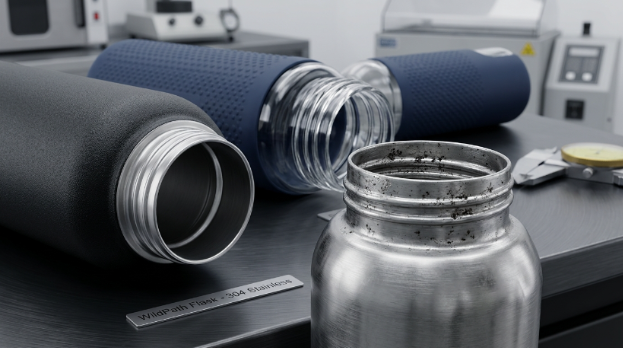
Heavy metal migration tests show significant variations between materials when exposed to acidic environments — a crucial consideration for children's developing systems. Non toxic materials like high-grade stainless steel and properly certified ceramics consistently show the lowest migration rates.
Pediatricians recommend prioritizing non toxic cookware with minimal surface treatments, as children's bodies are more susceptible to chemical exposure. Cast iron (properly seasoned) and high-quality stainless steel often top these recommendation lists for their proven non toxic properties.
The Ultimate Guide to Non-Toxic Pans: Safe Cooking Without Compromise
Commercial Cookware: The Ultimate Guide for Professional Kitchens