Understanding Oven-Safe Cookware: Can Your Metal Saucepan Handle the Heat in Oven?
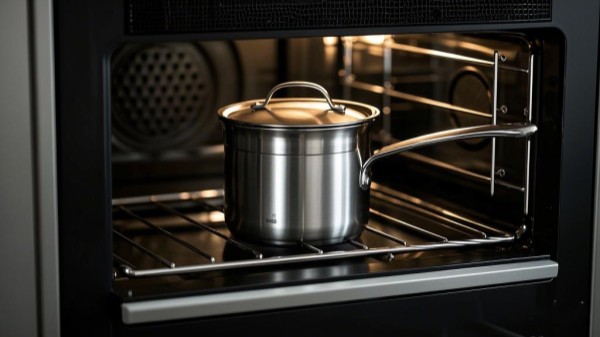
Metal cookware is a cornerstone in many kitchens, prized for its excellent heat conductivity, lightweight construction, and affordability. However, a frequently asked question among home cooks is, "can you put a metal saucepan in the oven?" In this comprehensive guide, we will explore not only the safety and compatibility of metal saucepans for oven use but also extend the discussion to other metal pans, best practices for cooking in the oven, and essential maintenance tips to ensure your cookware lasts for years.
1. Understanding Metal Cookware
A metal saucepan is designed to distribute heat evenly, making it ideal for tasks such as simmering sauces, boiling, and reducing liquids. However, metal cookware is not limited to saucepans alone; it includes frying pans, stock pots, and more. The key materials used in metal pans are:
- Stainless Steel: Known for its durability and non-reactivity, stainless steel is popular for both stovetop and oven use.
- Aluminum: Aluminum pans are lightweight and heat up quickly. However, pure aluminum can react with acidic foods, so anodized aluminum is often preferred.
- Copper: Offers superb heat conduction but is usually lined with another metal, such as tin or stainless steel, to prevent reactivity.

2. Oven Compatibility and Safety Considerations
Now to the core question: Can you put a metal saucepan in the oven? The answer is generally yes—but with some important caveats. Many metal saucepans are designed to be oven-safe, provided you adhere to the manufacturer’s guidelines. For instance, stainless steel and anodized aluminum pans are typically safe for oven use up to a specified temperature (often around 500°F to 550°F). It is crucial to note that nonstick coatings or plastic handles may not be oven-safe.
General Criteria for All Metal Pans: The same rules apply to any metal pan you plan to use in the oven:
- Always check the manufacturer's instructions regarding oven safety.
- Be aware of the maximum temperature rating provided by the manufacturer.
Experts recommend that when using any metal cookware in the oven, you must avoid sudden temperature changes that can lead to thermal shock. This means preheating the pan gradually and never plunging a hot pan into cold water.
For further guidance on safe cooking practices in the oven, check out our Safe Cooking Tips.
3. Effective Oven Use and Versatile Cooking Techniques
Beyond safety, metal saucepans and other metal pans offer incredible versatility in the oven. They can be used for:
- Braising: Slow-cook meats and vegetables for tender, flavorful dishes.
- Baking: Finish recipes like sauces and casseroles in the oven to achieve an even texture.
- Simmering: Reduce sauces to the perfect consistency.
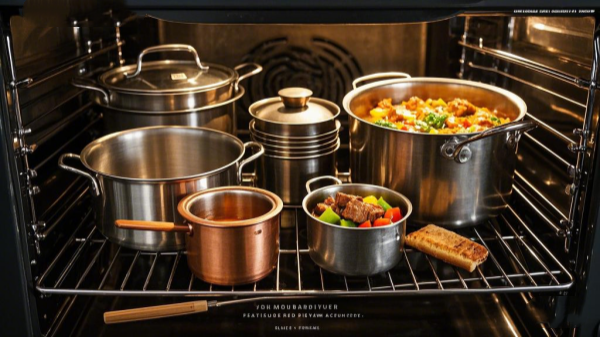
Best Practices for Oven Use:
Always preheat your metal saucepan gradually. Avoid thermal shock by not transferring a hot pan directly from the stovetop to a cold environment. Use heat-resistant gloves or mitts when handling the pan, and ensure that any plastic or nonmetal components (such as handles) are rated for oven use.
Additionally, proper positioning on the oven rack is essential. Place the pan in the center of the oven to promote even heat distribution. After cooking, allow the pan to cool before cleaning to preserve its structural integrity.
[Source: Martha Stewart, //www.marthastewart.com/7617742/how-care-stainless-steel-pan-prevent-burning-warping]
4. Reusability and Maintenance of Metal Cookware
A common query among cookware enthusiasts is, "can you reuse aluminum pans?" The answer is a resounding yes. With proper care and maintenance, metal saucepans—and metal pans in general—can be reused for many years.
Here are some essential maintenance tips:
- Regular Cleaning: After each use, wash your metal pan with warm water and a mild detergent. Avoid harsh abrasives that may scratch the surface.
- Proper Drying: Always dry your pans thoroughly after washing to prevent water spots and corrosion.
- Inspection: Regularly check for any signs of damage such as warping, discoloration, or loose handles. If these occur, it may be time to replace the pan.
- Storage: Store your metal cookware in a dry environment. When stacking, use protective liners or towels to prevent scratches.
[Source: Serious Eats, //www.seriouseats.com/how-to-clean-stainless-steel-pots-and-pans]
By following these care routines, you not only extend the life of your metal cookware but also ensure that it continues to perform safely in the oven.
5. Conclusion and Final Recommendations
In summary, many metal saucepans are designed for oven use—provided you adhere to the manufacturer’s guidelines and best practices. The key points to remember are:
- Check Manufacturer Instructions: Always verify the oven-safe rating and temperature limits for your cookware.
- Gradual Heating: Preheat your pan slowly to avoid thermal shock.
- Proper Maintenance: Regular cleaning and careful handling ensure that your metal pans remain safe and reusable.
Remember, the guidelines for determining if a metal saucepan is oven-safe apply equally to all types of metal pans. Whether you are using a metal saucepan, frying pan, or stock pot, always check the manufacturer's instructions and follow the recommended usage practices to maintain safety and longevity.
About Solamex: Solamex is a professional wholesale cookware company dedicated to providing high-quality, durable, and innovative cookware solutions for both home chefs and culinary professionals. With a wide range of products that adhere to strict safety and performance standards, Solamex continues to be a trusted partner in kitchens around the world.
Happy cooking, and enjoy the benefits of your oven-safe metal cookware!
How to Remove Soot from Metal Cookware: Expert Techniques for Spotless Results
Cooking with Aluminum Pans: Safety, Reusability, and Best Practices