Unlocking the Full Potential of Your Sauté Pan: From Novice to Culinary Master
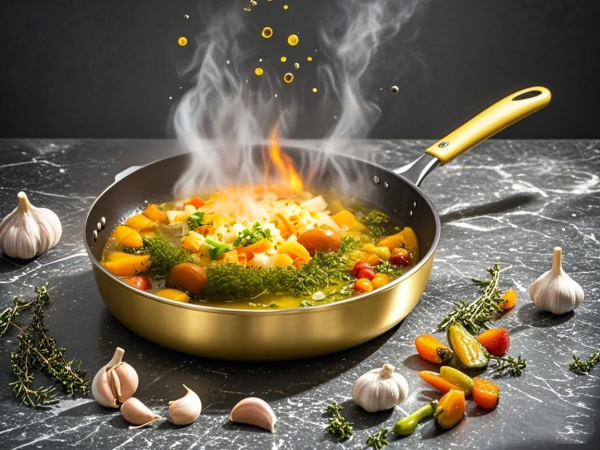
The sauté pan is one of the most versatile tools in any kitchen, offering a unique combination of depth, surface area, and heat control that lets you sear meats, braise vegetables, and prepare one‑pan meals with ease. This guide will walk you through its defining characteristics, how to choose the right size and material for your needs, essential cooking techniques, care and maintenance tips, and expert recommendations for selecting the perfect pan. Whether you’re a beginner looking to expand your cookware collection or an experienced cook aiming to refine your skills, this article combines professional insights with approachable advice to help you unlock your sauté pan’s full potential.
1. What Is a Sauté Pan?
Definition & Core Features
A sauté pan is defined by its straight, tall sidewalls and flat bottom, which create a deep well for cooking liquids and ingredients without spillage. Unlike a skillet or frying pan that has slanted sides designed for tossing, a sauté pan’s vertical walls allow you to sear proteins, stir sauces, and braise foods more efficiently.
Visual Characteristics
Typical sauté pans range from 3 to 6 quarts, often featuring one long handle and a helper handle for easy lifting, and many models come with a snug-fitting lid to trap moisture and flavor. The straight sides and wide cooking surface make them ideal for dishes where liquid management is key, such as pan sauces and braised vegetables.
How It Differs from Other Pans
Compared to a frying pan, whose sloped sides facilitate flipping and tossing, a sauté pan’s straight walls handle higher liquid volumes without spillover, making it better suited for shallow-frying and braising. When stacked against a wok, the sauté pan offers a broader, flat cooking area but less curvature, making it less suitable for high‑heat stir‑frying but more stable for deglazing and sauce-making.
2. Size & Capacity: Choosing the Right Fit
Common Sizes Explained
The most prevalent sauté pan sizes range from 3 quarts (ideal for 1–2 servings) to 6 quarts (perfect for family meals and larger recipes). A 12-inch sauté pan typically holds around 5 quarts, balancing surface area with depth for versatile use.
Size vs. Usage
Consider your household size and cooking habits—if you frequently prepare elaborate one-pot dishes or entertain guests, a 5–6 quart pan will serve you best, whereas solo cooks or couples may find a 3–4 quart pan more manageable and easier to store.
Quick Conversion Table
| Pan Diameter | Approx. Volume | Best For |
|---|---|---|
| 10 in (25 cm) | 3 qt | 1–2 servings, sauces |
| 12 in (30 cm) | 4–5 qt | Families, shallow frying |
| 14 in (35 cm) | 6+ qt | Large batches, braising |
3. Material Showdown: Finding Your Perfect Match
Cast Aluminum Non‑Stick Sauté Pans
Cast Aluminum Non‑stick pans offer easy food release and effortless cleaning, making them ideal for delicate foods like eggs and fish. However, they have temperature limits (typically under 500°F) and coatings can degrade over time, requiring gentle utensils and hand washing .
Stainless Steel Pans
Stainless steel sauté pans are durable, non-reactive, and excel at searing meats and deglazing for pan sauces. They require proper preheating and oiling to minimize sticking, and they often feature multi‑clad aluminum cores for even heat distribution.
Cast Iron Pans
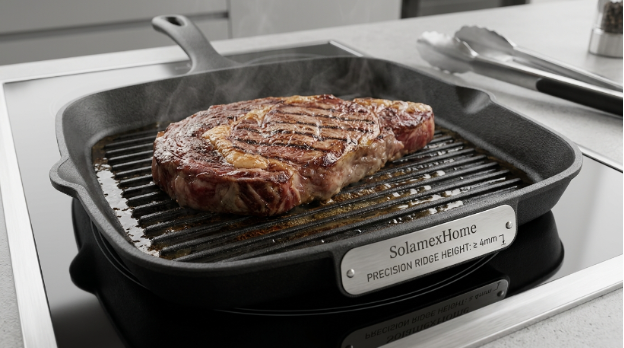
Cast iron pans deliver exceptional heat retention and develop a natural non‑stick patina with seasoning, perfect for deep searing and oven‑to‑table cooking. They need regular seasoning and careful drying to prevent rust.
Other Materials
Aluminum‑core clad pans combine quick heating with stainless exteriors, while copper‑core models offer precise temperature control but require more maintenance. Consider these options if you value responsiveness over low‑maintenance care.
4. Techniques: From Basic to Advanced
Basic Cooking Methods
Searing: Heat the pan until shimmering, add oil, then place protein to develop a deep crust without overcrowding.
Sautéing: Use high heat and minimal oil to cook bite‑sized veggies quickly, stirring constantly to preserve texture and color.
Signature Ingredients
For seafood like scallops and shrimp, ensure a hot pan and dry surface for a golden sear; for chicken and steak, room‑temperature meat and controlled heat result in juicy interiors and flavorful exteriors.
One‑Pan Wonders & Sauce Magic
After sautéing, deglaze with wine or stock to lift fond (the caramelized bits), then reduce into a rich pan sauce. Combine proteins and veggies in one pan for efficient, flavorful meals like stir‑fry rice or pasta primavera.
5. Maintenance & Care: Prolonging Your Pan’s Life
Daily Cleaning
Non‑stick pans: wipe with a soft sponge and mild detergent. Avoid abrasive pads to protect the coating.
Stainless steel & cast iron: remove stuck bits by deglazing or soaking, then dry immediately. Cast iron requires a light oil coat after drying.
Seasoning & Storage
To season cast iron, apply a thin layer of oil and bake upside down at 350°F for an hour, then cool inside the oven. Store pans in a dry place and use protective liners to prevent scratches.
- Helper Handle: Essential for lifting heavy pans.
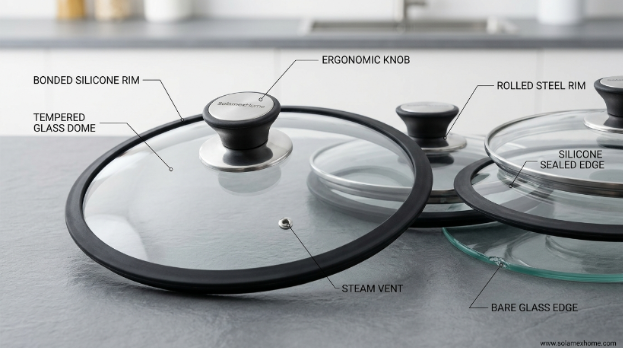
- Lid Fit: Tight-fitting lids seal moisture for braising.
- Oven Safety: Check handle materials and maximum temperature ratings.
- Clad Construction: Multi-ply cores ensure even heating across the surface.
7. Frequently Asked Questions (FAQ)
Can I use a sauté pan as a frying pan?
Yes—the straight sides handle liquids better, and it sears proteins as effectively as a traditional frying pan.
Is a sauté pan good for frying eggs?
Absolutely—non‑stick sauté pans are especially convenient for eggs, requiring less oil and easy release.
Can you put a sauté pan in the oven?
Most stainless steel and cast iron sauté pans are oven‑safe up to at least 400°F. Always check the manufacturer’s specifications for handle materials and temperature limits.
What’s the difference between sautéing and pan‑frying?
Sautéing uses high heat and minimal oil to cook small pieces quickly, while pan‑frying uses more oil and moderate heat for larger items, achieving a crisp exterior and tender interior.
8. Conclusion
With a clear understanding of definitions, sizes, materials, and techniques, your sauté pan can become the centerpiece of countless delicious meals. From quick weeknight stir‑fries to rich one‑pan braises, mastering this versatile tool will elevate your cooking, simplify cleanup, and reward you with flavors that shine. Embrace experimentation, share your creations, and let your sauté pan guide you from kitchen novice to culinary master.
The Ultimate Guide to Griddle Cooking: Mastering Techniques, Maintenance, and Material Selection
From Searing to Saucery: Mastering the Sauté Pan's Versatility in 15+ Recipes