Unlocking the Magic of Cast Aluminum Cookware: Safety, Care & Versatility
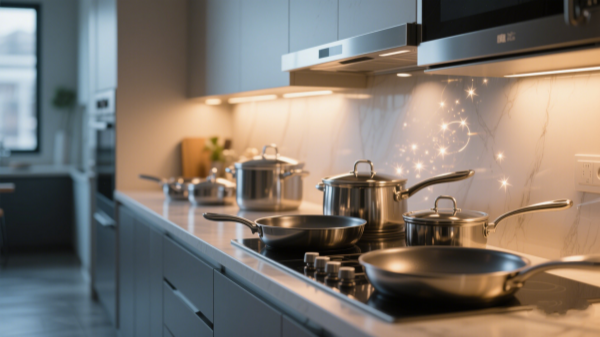
Cast aluminum cookware has steadily risen in popularity due to its versatility, sleek aesthetics, and performance in modern kitchens. In this guide, we will explore the ins and outs of cast aluminum cookware—from what it is and its advantages to safety aspects, uses, and maintenance tips. Whether you're a home cook or a culinary professional, this comprehensive guide will help you decide if cast aluminum cookware fits your kitchen needs.
1. Introduction to Cast Aluminum Cookware
Cast aluminum cookware is made by pouring molten aluminum into pre-shaped molds and allowing it to cool and solidify. This manufacturing process creates cookware that is both durable and capable of excellent heat conduction. In modern kitchens, cast aluminum has become popular thanks to its versatility, performance, and contemporary, sleek design.
As consumers demand cookware that can perform across a variety of cooking methods while remaining easy to handle and maintain, cast aluminum has emerged as a leading choice for both everyday and specialized culinary applications.
2. Key Advantages of Cast Aluminum Cookware
Exceptional Heat Conductivity
Cast aluminum pans heat up quickly and distribute heat evenly. This ensures that delicate dishes like sauces and pancakes are cooked without cold spots, contributing to consistent results.
Lightweight Design
Unlike cast iron, cast aluminum is exceptionally lightweight, making it ideal for daily use and perfect for outdoor cooking or travel where every gram counts.
Versatility in Cooking
This cookware works well on various heat sources including gas, electric, induction (with compatible bases), ovens, and even grills. Its versatility makes it a valuable asset in any kitchen.
Sleek Aesthetics & Durability
With a smooth finish and modern appearance, cast aluminum cookware not only performs well but looks attractive on your stove. It is resistant to rust—unlike cast iron—ensuring a longer lifespan with proper care.
3. Is Cast Aluminum Cookware Safe?
Cast aluminum cookware is widely considered safe when used properly. Most products feature protective coatings—such as non-stick layers or anodized surfaces—to prevent aluminum from leaching into food. While prolonged cooking of highly acidic dishes may lead to minimal leaching, current research and regulatory guidelines indicate that these levels remain within safe limits.
For optimal safety, it’s advisable to avoid using uncoated cast aluminum cookware for long-term storage of acidic foods, and to employ non-abrasive utensils to protect any coatings.
4. Common Concerns & Disadvantages
Coating Dependency
Many cast aluminum pans rely on non-stick coatings—often Teflon or ceramic-based—to enhance performance. It is crucial to opt for PFOA-free and PFAS-free coatings to avoid potential health risks. However, the longevity of these coatings can vary, and wear over time may expose the underlying metal.
Heat Limitations
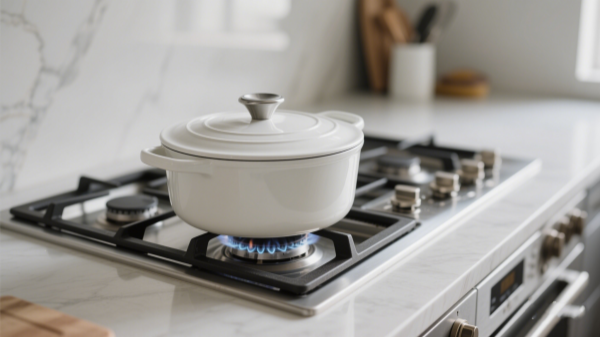
While cast aluminum conducts heat efficiently, it is best not to subject it to extreme high temperatures as this might damage the coatings or, in rare cases, lead to warping.
Price Point
Cast aluminum cookware generally falls into a mid-range to high-end pricing bracket. Despite a higher initial investment compared to basic stainless steel, the performance and durability of cast aluminum often justify the cost.
Solamexhome cast aluminum cookware features superior coatings that ensure high temperature resistance, exceptional non-stick performance, and durability against dishwasher wear and corrosion. These advanced coatings effectively mitigate the potential risks associated with aluminum cookware. Additionally, Solamexhome offers significant advantages in cookware bulk purchasing, making it the preferred choice for commercial kitchens and home chefs alike.
5. Top Uses for Cast Aluminum Cookware
- Everyday Cooking: Ideal for frying pans, sauté pans, and saucepans used in routine meal preparations.
- Baking: Perfect for baking sheets or casserole dishes, cast aluminum promotes even browning.
- Outdoor Adventures: Its lightweight construction makes it a favorite for camping, RV trips, and other outdoor cooking scenarios.
6. How to Choose the Best Cast Aluminum Cookware
When selecting cast aluminum cookware, consider the following aspects:
- Coating Quality: Choose cookware with PFOA-free, scratch-resistant non-stick layers or anodized finishes.
- Thickness & Construction: Look for heavier-gauge aluminum that ensures durability without sacrificing even heat distribution.
- Handle Design: Ensure handles are heat-resistant and securely attached for safe handling.
- Brand Reputation: Trusted brands like Calphalon, Tramontina and Solamex are well-known for quality and consistency in cast aluminum cookware.
7. Maintenance & Care Tips
Cleaning
Proper cleaning is essential to maintain performance and longevity:
- For coated pans: Use mild detergents with warm water and a non-abrasive sponge. Avoid dishwashers, which may damage the surface.
- For uncoated pans: Gentle washing is sufficient; occasionally polish to restore shine if necessary.
Storage
Store your cookware carefully:
- Use soft dividers when stacking to prevent scratches and maintain the integrity of the surface.
Reconditioning
For uncoated cast aluminum, occasional polishing can help maintain its luster and performance. Regular care and adherence to manufacturer guidelines will ensure your cookware remains a valuable kitchen asset.
8. Cast Aluminum vs. Other Materials
Understanding how cast aluminum stacks up against other common cookware materials is crucial for informed decision-making:
| Material | Advantages | Drawbacks |
|---|---|---|
| Cast Aluminum | Lightweight, excellent heat conduction, even cooking, sleek appearance | Dependent on coatings for non-stick properties; can be sensitive to abrasive cleaning |
| Cast Iron | Superior heat retention, durable, natural non-stick when seasoned properly | Heavy, requires regular seasoning, prone to rust if not maintained |
| Stainless Steel | Durable, non-reactive, low maintenance, classic look | Lower heat conductivity compared to aluminum; may need a core for even heating |
| Copper | Excellent heat distribution, responsive temperature control | High cost, requires polishing, reactive with certain foods |
9. Customer Reviews & Recommendations
Many users have praised cast aluminum cookware for its balanced performance, ease of use, and modern design. Common feedback includes:
- Ease of Use: Many home cooks appreciate the lightweight design and quick heating properties.
- Even Cooking: Users note that dishes cook uniformly without hot spots, making meal preparation more reliable.
- Maintenance: While some complain about the dependency on non-stick coatings, overall, the performance-to-cost ratio is highly rated.
10. FAQs
- Can cast aluminum cookware be used on induction stoves?
Yes, provided the cookware has a compatible magnetic base or is designed for induction use.
- How long does the non-stick coating last?
This varies by brand and usage, but with proper care, a good quality non-stick coating can last several years.
- Does cast aluminum cookware require special maintenance?
Regular cleaning with non-abrasive tools and periodic reconditioning for uncoated pans is recommended to ensure long-term performance.
11. Conclusion
In summary, cast aluminum cookware offers a blend of versatility, efficiency, and modern aesthetics that make it an excellent choice for contemporary kitchens. With its exceptional heat conductivity, lightweight design, and suitability for a range of cooking applications—from daily stovetop meals to outdoor adventures—cast aluminum stands out as a smart, safe, and practical option.
By considering the key advantages, safety factors, common concerns, and maintenance tips outlined in this guide, you can confidently decide whether cast aluminum cookware is right for you. Remember to always follow manufacturer guidelines and choose reputable brands to ensure long-term satisfaction and performance in your kitchen.
We hope this comprehensive guide has provided you with valuable insights and practical advice. Feel free to leave your feedback and share your cooking experiences—we’d love to hear how cast aluminum cookware has transformed your culinary endeavors!
Unveiling the Core Advantages and Selection Guide for Forged Aluminum Cookware
The Ultimate Guide to Choosing the Best Outdoor Frying Pan for Your Adventures