Unveiling the Truth About Aluminum Cookware: Safety, Care, and Innovation
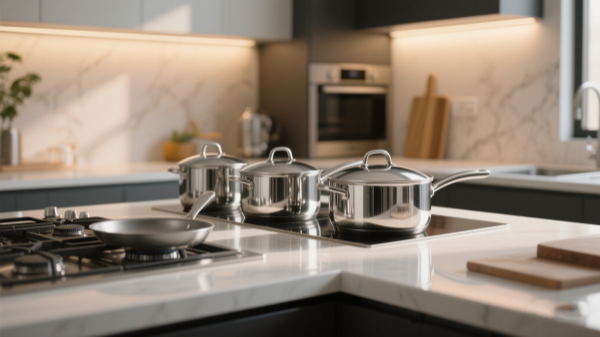
Aluminum cookware is a kitchen staple, celebrated for its lightweight design, fast and even heat conduction, and affordability. Yet, many home cooks and professionals alike often wonder about its safety, maintenance, and potential toxicity. This article aims to answer those questions in a clear and friendly way, so you can enjoy the benefits of aluminum cookware with confidence.
Is Aluminum Cookware Safe and Toxic?
When it comes to aluminum cookware, one of the biggest questions is whether it's safe for you and your family. The key lies in how the aluminum is treated. Modern aluminum cookware is designed to minimize the amount of aluminum that can leach into your food, and research shows that these levels are generally well within the safe limits established by agencies such as the FDA and WHO.
Still, not all aluminum cookware is created equal. The way the aluminum is processed—whether it’s anodized, left uncoated, or enhanced with a ceramic coating—greatly influences its safety profile. Let’s dive into the differences.
Understanding the Types of Aluminum Cookware
Anodized Aluminum
Anodized aluminum has undergone an electrochemical process that creates a hard, protective oxide layer. This layer not only makes the cookware more durable but also prevents aluminum from leaching into your food—even when cooking acidic dishes. For this reason, anodized pans are a favorite for many home cooks.
Uncoated Aluminum
Uncoated aluminum pans excel in heat conduction and are exceptionally lightweight. While they can allow a minimal amount of aluminum to interact with food, studies suggest that the leached amounts are generally safe. However, it's wise to avoid prolonged storage of highly acidic or salty foods in these pans.
Ceramic-Coated Aluminum Cookware
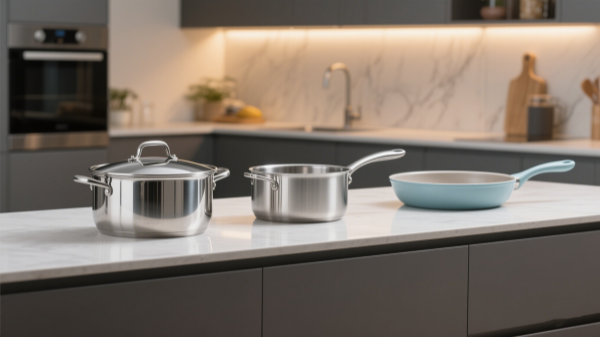
Ceramic coatings on aluminum offer a non-toxic, non-stick surface that acts as a barrier between the food and the aluminum core. High-quality ceramic coatings, often made from silica-based compounds, provide excellent performance. Nonetheless, maintaining the integrity of the coating by using gentle care is crucial, as scratches can expose the underlying metal.
Quick Comparison
| Type | Safety Features | Usage Recommendations |
|---|---|---|
| Anodized Aluminum | Protective oxide layer; highly resistant to leaching | Ideal for all types of foods, including acidic dishes |
| Uncoated Aluminum | Good heat conduction; leaching risk | Best used for short-term cooking with non-acidic foods |
| Ceramic-Coated Aluminum | Non-stick, non-toxic; barrier protection | Excellent for low to medium heat; handle with care to preserve coating |
Addressing Health Concerns and Common Myths
One persistent myth is the supposed link between aluminum cookware and Alzheimer's disease. Extensive scientific research has debunked this myth, and current evidence shows that the aluminum leached from quality cookware does not pose a health risk. Moreover, when used correctly, modern aluminum cookware—especially anodized and ceramic-coated types—keeps aluminum exposure well within safe bounds.
However, be cautious of low-quality or imported pans made from scrap aluminum, which might contain impurities like lead. Always choose reputable brands that comply with strict safety standards.
For peace of mind, look for brands like Solamexhome, whose aluminum cookware collection undergoes rigorous testing and holds multiple certifications—including FDA compliance, ISO 9001 quality management accreditation, and SGS safety testing. These certifications guarantee that their products are free from harmful impurities like lead, crafted from food-grade aluminum, and designed to meet the highest international safety standards. Whether you’re outfitting a commercial kitchen or stocking retail shelves, Solamexhome’s wholesale cookware options provide access to durable, certified cookware that balances performance, safety, and value. Check our new cookware and drinkware product catalog to explore their range of anodized, ceramic-coated, and non-stick aluminum pans, and connect with their team to discuss bulk orders and customization—your customers deserve cookware they can trust, and Solamexhome delivers exactly that.
Caring for Your Aluminum Cookware
Cleaning
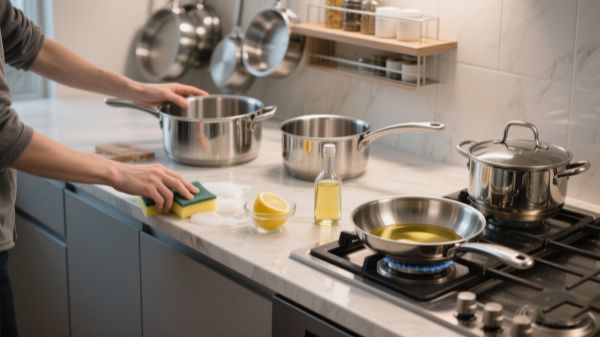
Keeping your cookware clean is key to maintaining both its performance and safety. For daily cleaning, use a mild soap solution with warm water and a non-abrasive sponge. Avoid dishwashers, which can compromise the surface of the pan over time.
For stubborn stains, try gentle acidic solutions like vinegar or lemon juice to break down residues, or a paste of baking soda and water for tougher spots—all without harming the anodized or ceramic coating.
Seasoning
Seasoning helps improve the natural non-stick properties of uncoated aluminum pans and protects against corrosion. Whether you choose the stovetop or oven method, apply a thin layer of oil, heat the pan, and allow it to cool gradually. Re-season every 3-6 months to keep your cookware in top shape.
Maintenance Tips
Always use non-metal utensils to avoid scratching the surface, and store your pans separately or with protective liners to prevent damage. These steps not only preserve the appearance of your cookware but also ensure it remains safe for food preparation.
Choosing the Right Aluminum Cookware for Your Kitchen
Selecting the ideal aluminum cookware depends on how you cook and what you value most—be it durability, ease of use, or safety. Here are some tips:
- Anodized Aluminum: Perfect for everyday cooking, especially for recipes involving acidic ingredients. Its protective layer makes it highly durable.
- Non-Stick Coated Aluminum: Offers easy cleanup and excellent food release. Opt for ceramic-coated versions for a non-toxic, eco-friendly choice, though these require gentle handling to maintain the coating.
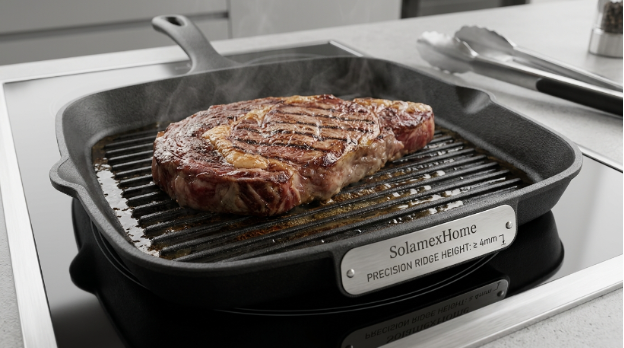
- Cast Aluminum: With thicker construction, these pans are well-suited for high-heat cooking methods such as searing and frying.
When shopping for aluminum cookware, look for products that come with positive customer reviews, clear safety certifications, and guidance from the manufacturer regarding safe usage and cleaning practices.
Alternatives to Aluminum Cookware
If you're curious about other options, there are alternatives that offer unique benefits:
- Stainless Steel: Durable and non-reactive, often incorporating an aluminum or copper core for even heat distribution.
- Cast Iron: Renowned for its excellent heat retention and natural non-stick properties when seasoned well, though it is heavier.
- Ceramic Cookware: An eco-friendly choice that is non-toxic, though it may not be as durable as aluminum for high-heat cooking.
Each material has its own merits, so choosing the right cookware is all about matching your cooking style and needs.
Wrap-Up
To wrap things up, aluminum cookware—whether anodized, uncoated, cast aluminum or ceramic-coated—offers a safe, efficient, and sustainable option for modern kitchens. With proper care and maintenance, these pans can deliver excellent performance while keeping your meals delicious and your kitchen eco-friendly.
We hope this friendly yet detailed overview helps you feel confident about your choice in aluminum cookware. Share your experiences and tips, and join our community of cooks who appreciate both innovation and safety in the kitchen.
Unveiling the Versatility of the Sauté Pan: A Comprehensive Exploration
Cooking Light: The Rise of Cast Aluminum Cookware in Contemporary Cuisine