Unveiling the Versatility of the Sauté Pan: A Comprehensive Exploration
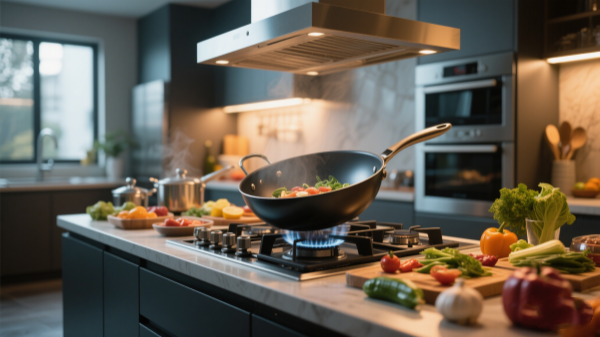
Discover how the sauté pan transforms everyday cooking into a culinary art with its unique design and multifaceted functionality.
Introduction
The sauté pan has secured its place as a staple in modern kitchens. Whether you're an amateur cook or a professional chef, this versatile tool enables you to create delicious meals with ease. But what exactly makes the sauté pan a must-have tool, and how does its design differentiate it from other cookware such as frying pans?
This article provides an in-depth look at the sauté pan's definition, design, and key features, followed by a detailed analysis of its various uses in the kitchen. We also explore a comparative review with frying pans and offer guidance on using the sauté pan to cook a range of ingredients effectively.
What is a Sauté Pan?
Definition and Design
A sauté pan is a type of cookware typically made from materials such as stainless steel, cast iron, or non-stick coated aluminum. Its design is marked by a wide, flat bottom that ensures even heat distribution and relatively high, straight sides. Unlike frying pans, which often feature low, sloped sides, the elevated sides of a sauté pan allow you to contain ingredients efficiently, making it ideal for various cooking techniques.
Key Features
The sauté pan is celebrated for its excellent heat conductivity, which is essential for swift and even cooking. This pan is engineered to perform on various stovetops—be it gas, electric, or induction—with features such as ergonomic handles that provide a comfortable, secure grip during use. These qualities collectively contribute to its rising popularity among kitchen enthusiasts.
What is a Sauté Pan Used For?
Primary Use — Sautéing
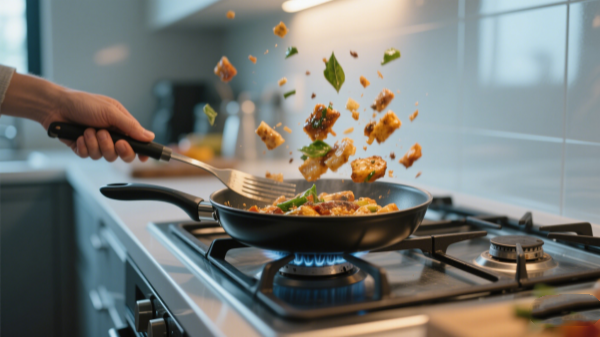
The most common use of the sauté pan is for sautéing. This technique involves cooking food quickly in a small amount of fat over medium-high heat. The design of the sauté pan facilitates the tossing and gentle movement of ingredients, ensuring they cook evenly while developing a desirable, caramelized exterior.
Versatile Cooking Methods
Beyond sautéing, the sauté pan is designed for multiple cooking techniques:
- Braising: Thanks to its deep design, you can sear meat to lock in flavor, and then add liquid to slowly cook the dish, resulting in a tender and flavorful meal.
- Simmering: The pan’s ability to retain heat makes it suitable for preparing sauces or small-batch stews and soups.
- Frying (to an extent): Although not the primary function, the sauté pan can handle light frying tasks. Its high sides, however, may trap steam, which could affect the crispiness of certain fried foods.
Incorporating these versatile methods, the sauté pan adapts smoothly to different recipes, proving indispensable for dishes that require both precision and flexibility.
Sauté Pan vs. Frying Pan: Key Differences
While many kitchens feature both types of cookware, it’s important to understand their distinguishing characteristics to select the most appropriate tool for your cooking needs.
Shape and Structure
Frying pans typically have lower, sloped sides that facilitate easy flipping, making them ideal for foods like eggs or pancakes. In contrast, the sauté pan’s high, straight sides help retain liquids and keep ingredients contained, an advantage when preparing dishes that incorporate multiple components or liquid elements.
| Feature | Sauté Pan | Frying Pan |
|---|---|---|
| Shape | High, straight sides with a wide, flat base | Low, sloped sides for easy flipping |
| Volume | Accommodates more ingredients and liquids | Best for single-layer cooking |
| Heat Distribution | Excellent heat retention, ideal for braising and simmering | Quick and even for fast cooking techniques |
Ideal Tasks and Heat Distribution
Frying pans shine in scenarios that call for quick, even heating to cook items in a single layer. On the other hand, sauté pans—owing to their design—excel in multi-ingredient recipes and processes that require holding in juices or sauces. These differences highlight why each pan is suited for specific tasks in your kitchen.
Can a Sauté Pan Be Used as a Frying Pan?
Indeed, a sauté pan can be employed for light frying. For instance, when frying a single piece of breaded chicken or a small portion of vegetables, the sauté pan provides ample surface area. However, one must note that the high sides can trap steam, which may affect the crispiness that is typically achieved in a traditional frying pan. Thus, while the sauté pan is versatile, using it as a frying pan has its nuances:
- It is best suited for smaller frying tasks where extreme crispiness is not the primary goal.
- For larger batches or delicate items that require quick, high-heat contact, a dedicated frying pan might be a better choice.
This flexibility means you can often rely on your sauté pan for multiple cooking functions, but understanding its limitations ensures your dishes come out as expected.
Using a Sauté Pan for Various Ingredients
The design and versatility of the sauté pan make it ideal for a wide range of ingredients and cooking techniques. Below are some practical examples:
- Vegetables: Whether you're sautéing bell peppers, onions, or mushrooms, the even heat distribution promotes excellent caramelization without overcooking.
- Meats: The ample surface area is perfect for searing steaks, browning ground beef, or cooking chicken thighs. The pan's ability to maintain a consistent temperature ensures that meats develop a beautifully seared crust while remaining tender inside.
- Seafood: For delicate proteins like shrimp or scallops, a quick sauté in a lightly oiled pan preserves moisture, ensuring that the seafood remains succulent and flavorful.
- Sauces and Grains: The depth of the sauté pan makes it a great option for reducing sauces or cooking small batches of grains such as couscous, where controlled simmering is required.
Each of these examples underlines the sauté pan’s practicality and its role as a multi-functional tool that adapts to both simple and intricate recipes. Whether you are preparing a quick weeknight dinner or planning a gourmet meal, this pan can handle the challenge with finesse.

Conclusion
In summary, the sauté pan is more than just another piece of cookware—it is a highly versatile tool that enhances your culinary repertoire. Its distinct design featuring a wide, flat bottom and high, straight sides makes it uniquely suited to a variety of cooking methods, from quick sautéing to slow braising and simmering. While it shares some functions with frying pans, its superior volume and heat retention qualities make it the ideal choice for multi-ingredient recipes and dishes that call for fluid dynamics in cooking.
For both novice and experienced cooks, the sauté pan proves its worth as an indispensable addition to the kitchen arsenal. Whether you're creating everyday meals or experimenting with more complex recipes, this comprehensive guide has hopefully shed light on the sauté pan’s many benefits and practical uses.
Mastering Grill Pans & Griddles: A Home Chef’s Essential Handbook
Unveiling the Truth About Aluminum Cookware: Safety, Care, and Innovation