What is Cast Aluminum Cookware — Who Should Buy, and How to Use
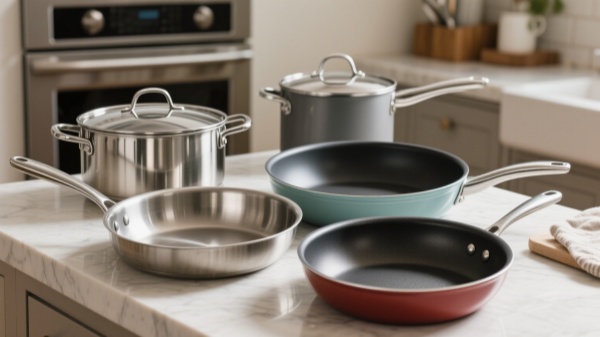
Cast aluminum is a lightweight, fast-heating cookware material that gives even heat and easy handling. Choose hard-anodized or well-coated pieces for durability and to avoid reactivity; test for induction compatibility with a magnet and follow simple care steps to keep performance high.
Published Sep 5, 2025 · Solamex Editorial
What is cast aluminum cookware?
In plain terms, cast aluminum cookware is made by pouring molten aluminum into molds to form pans and pots. The term covers a range of consumer products — from bare-cast aluminum to hard-anodized, enamelled, or coated pieces. The casting process gives a thick body with good heat distribution, while post-processing (anodizing or coating) changes surface durability and reactivity.
A quick production note: consumers often see the terms cast, die-cast, and hard-anodized used interchangeably — they aren’t identical. Cast/die-cast refers to forming; hard-anodized is a surface treatment applied afterward.
Why people choose cast aluminum
Here are the practical reasons cooks pick cast-aluminum pieces for their kitchens.
- Lightweight and easy to handle. Compared with cast iron, aluminum is a fraction of the weight, which makes larger skillets and pans easier to lift and store.
- Fast and even heat conduction. Aluminum conducts heat well, so pans heat up quickly and distribute heat across the cooking surface evenly — useful for quick sautés and weeknight cooking.
- Cost-effective. Cast-aluminum cookware often costs less than heavier materials while offering good day-to-day performance.
(If you want a heavy sear or long, slow heat retention, cast iron or stainless steel with heavy cladding still have the edge.)
Limitations and practical trade-offs
Every material has trade-offs — here are the ones worth knowing for cast aluminum.
- Lower heat retention. Aluminum cools faster when you add food compared with cast iron, so for very long sears you may lose heat quickly. Tip: preheat properly and cook in batches to avoid big temperature drops.
- Surface reactivity (if uncoated). Bare aluminum can react with acidic foods (think tomatoes or vinegar-based sauces) and may leach some aluminum into food. Modern anodized or coated finishes largely prevent this. [2]
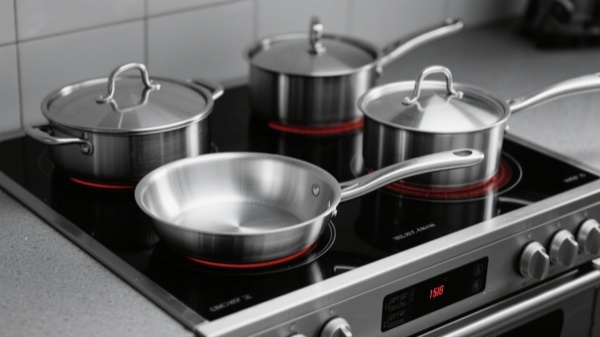
- Induction compatibility. Pure aluminum is not magnetic — for induction use manufacturers typically bond a magnetic stainless-steel plate to the base. Test with a magnet before you buy. [4]
Coatings & finishes — what to look for
The surface finish determines much of the pan’s behavior. Here are the common ones and why they matter.
Hard-anodized aluminum
Hard-anodizing is an electrochemical process that hardens the surface and makes it non-reactive. It improves scratch resistance and longevity and is widely recommended for home cooks who want low-maintenance cookware. [3]
Nonstick (PTFE) coatings
PTFE-based coatings (e.g., Teflon) give excellent release for eggs and delicate foods. They are safe when intact and used below recommended temperatures, but prefer recent PTFE products explicitly labeled PFOA-free and follow manufacturer temperature limits. [5]
Ceramic coatings
Ceramic or sol-gel coatings are PFAS-free alternatives. They offer decent nonstick performance initially but can wear faster than PTFE and are sensitive to rough utensils.
Enameled cast aluminum
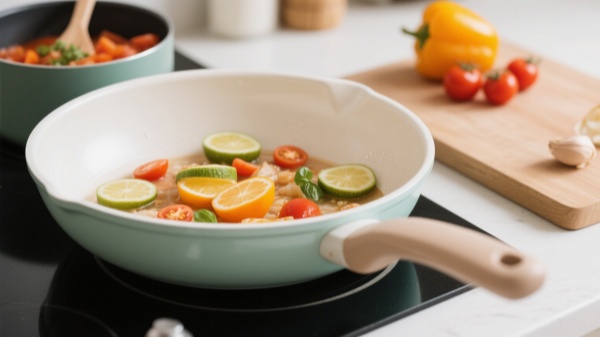
Enamel fully insulates the metal from food, so it’s non-reactive and convenient for acidic dishes — think tomato-based sauces or long-simmered stews. Quality of enamel varies, so check reviews and warranty.
Cast aluminum vs. other common materials
Quick comparison to help decide what to buy.
| Material | Weight | Heat conduction | Heat retention | Best for |
|---|---|---|---|---|
| Cast aluminum (hard-anodized) | Light | Very good | Moderate | Everyday sautéing, quick sears, eggs |
| Cast iron | Heavy | Good | Excellent | Searing, slow braises |
| Stainless Steel (clad) | Medium | Good (with core) | Good | Versatile, deglazing |
| Copper | Light–medium | Excellent | Fair | Precision cooking, sauces |
How to cook with cast aluminum — practical tips
I use my 10" hard-anodized pan for eggs and quick sautés — it heats fast, flips easily, and cleans up quickly. Here are the rules I follow so the pan performs well and lasts.
- Preheat moderately. Bring the pan up to cooking temperature on medium heat; don’t blast a hot empty nonstick pan on high.
- Use the right oils and temps. For searing, use oils with high smoke points and let them shimmer before adding food. For nonstick cooking (eggs), lower the heat slightly.
- Avoid metal utensils on coated surfaces. Use silicone, wood, or nylon tools to preserve the finish.
- Batch cooking tip. Don’t overload the pan — cook in smaller batches to preserve temperature and color.
Care & maintenance
Treat-coated and anodized pans gently and they’ll last a long time. Here’s a short care checklist I share with readers and customers.
- Hand-wash when possible. Mild detergent and a soft sponge are usually enough; check the manufacturer for dishwasher guidance.
- Don’t overheat an empty pan. High direct heat can degrade coatings over time.
- Replace pans with flaking or peeling coating. Once a nonstick surface shows visible damage, stop using it for food prep.
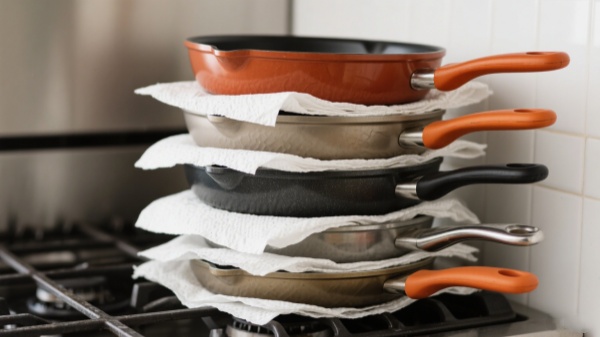
- Store carefully. Use pan protectors or paper towels between stacked pans to avoid scratches.
Safety & health: what the evidence says
Short answer: modern hard-anodized and intact coated cast-aluminum cookware is generally considered safe for normal home cooking. Peer-reviewed studies show higher metal leaching from uncoated or poorly finished aluminum, particularly with acidic foods and new cookware — which is why surface treatment matters. [3]
Practical guideline: avoid prolonged simmering of very acidic recipes in bare aluminum, prefer anodized/enameled/coated cookware for tomato-based dishes, and retire pans with visible corrosion or flaking. See the sources in the footnotes for study details. [7]
Buying guide & checklist
When you shop, treat these specs as your checklist:
- Finish: hard-anodized or enamel preferred for reactivity resistance.
- Induction label: look for "induction-compatible" or test with a magnet.
- Oven-safe temp: check lid/knob limits if you plan to oven-finish dishes.
- Warranty & brand transparency: brands that disclose coating materials and oven limits are generally more trustworthy.
If you sell B2B or cookware wholesale, include measurable specs in product pages (thickness, coating type, induction base type, oven max temp, MOQ, certifications) — product buyers look for that data.
FAQ — short answers for quick readers and PAA
Is cast aluminum cookware safe?
Generally yes when anodized or properly coated; avoid cooking acidic foods for long periods in bare aluminum. [3]
How do I know if my aluminum pan works on induction?
Stick a magnet to the base — if it sticks, your pan will usually work on induction. [4]
What's the difference between hard-anodized and nonstick?
Hard-anodized refers to a toughened metal surface; nonstick usually refers to a PTFE coating applied on top of the metal. Both can coexist on the same pan.
Can I put cast aluminum in the dishwasher?
Check the manufacturer's guidance — many modern hard-anodized pans are dishwasher-safe but hand-washing extends life.
References & clickable footnotes
- Food & Wine — What Is Hard-Anodized Cookware?
- Martha Stewart — Is Aluminum Safe to Cook With?
- PubMed Central — Assessing Leaching of Potentially Hazardous Elements from Cookware (2023)
- Consumer Reports — Best Frying Pans If You Want to Avoid PFAS
- Food & Wine — PTFE & Hard-Anodized Overview
- PubMed — Metal Leaching from Cookware (2023)
- Consumer Reports — Cookware Safety & PFAS (search site for specific articles)

Solamex — Wholesale Pots and Pans Expertise
Solamex offers wholesale pots and pans, combining durable materials, precise craftsmanship, and flexible product customization. From premium stainless steel to advanced nonstick lines, our catalog is built for both retail distribution and demanding commercial kitchens — ensuring consistency in performance and presentation.
Granite vs Ceramic Cookware: Differences, Safety, Durability & Which to Choose
Dutch Oven Bread: A Practical Guide to Stellar Crust—With or Without the Pot