What Size Stockpot Do You Need? Expert Tips for the Perfect Fit
Table of Contents
Introduction
Choosing the right stockpot can transform your cooking experience. Whether you're making hearty soups, slow-cooked stews, or large batches of broth, the size of your stockpot plays a critical role. This guide will help you understand what size stockpot you need based on various factors such as your cooking volume, family size, and cooking purposes. In addition, we will explore other key considerations when buying a stockpot to ensure you invest in a piece of cookware that meets your needs both today and in the future.
The world of kitchen cookware is vast, and while size is just one of many important aspects, it is essential to get it right. Read on to discover the factors that influence the ideal stockpot size and gain expert insights to make an informed decision.
Understanding Stockpot Sizes
Stockpots are typically measured in quarts or liters, and they come in a range of sizes to suit various cooking requirements. Common sizes include 6-quart, 8-quart, 12-quart, and even 16-quart models. To help visualize these sizes, consider the following conversion:
Quart to Liter Conversion
| Quarts (qt) | Liters (L) |
|---|---|
Understanding these measurements is key when comparing stockpots, as the right capacity can make a significant difference in how your dishes turn out.
III. Factors Influencing Stockpot Size Selection
When determining the perfect stockpot size, several critical factors come into play. In this section, we delve into the primary elements that directly affect the choice of stockpot capacity, ensuring you get the most out of your investment.
1. Cooking Volume & Family Size
The most straightforward factor is the volume of food you intend to prepare. If you are cooking for a small household, a 6- or 8-quart stockpot might be sufficient. However, larger families or those who frequently entertain guests will benefit from a 12- or 16-quart pot.
Tip: Consider your regular meal sizes and any special occasions that may require bulk cooking. A stockpot that offers a little extra capacity can provide flexibility during holidays or family gatherings.
2. Primary Cooking Purposes
What do you primarily use your stockpot for? Different cooking styles have varying requirements:
- Soup, Stock, and Broth Making: These recipes benefit from a large, deep pot that allows ingredients to simmer slowly and develop rich flavors. The extra space ensures that the liquid doesn't boil over while the flavors meld together.
- Stewing and Braising: For dishes that require long, slow cooking, depth is essential. A deeper stockpot not only accommodates more ingredients but also supports even heat distribution.
- Boiling and Canning: Recipes such as pasta boiling or canning demand a generous volume of water and ingredients, making a larger stockpot ideal for these purposes.
Your primary cooking methods should guide your stockpot size. If you frequently prepare large batches of stock or soup, investing in a larger capacity pot is a practical decision.
3. Material and Construction Impact on Capacity
The material and construction of a stockpot can indirectly influence the ideal size you should choose. Materials like stainless steel with an aluminum or copper base are popular for their excellent heat distribution. Even if two pots have the same capacity, the way they conduct heat can affect your cooking performance.
For instance, heavier materials such as enameled cast iron provide superior heat retention but may also add considerable weight, especially in larger sizes. This means that while a 16-quart enameled cast iron pot is excellent for slow-cooked recipes, it may be less convenient to handle compared to a lighter stainless steel model.
Pro Tip: Choose a material that not only meets your cooking needs but also offers durability and ease of maintenance. Consider factors such as cleaning requirements and potential weight challenges when the pot is full.
4. Design Features Related to Capacity
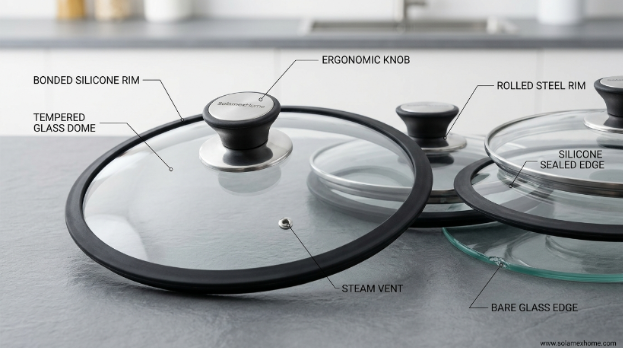
While capacity is measured in quarts or liters, design features also play a crucial role in how effectively a stockpot performs in your kitchen. For example, a well-designed lid that fits snugly can help retain heat and moisture, making it easier to cook larger quantities without frequent monitoring. Similarly, ergonomically designed handles and pouring spouts are essential when handling a full, heavy pot.
In some cases, manufacturers incorporate innovative designs such as dual-layer constructions or specialized bases that enhance heat distribution, which can influence your decision on what size pot is optimal for your cooking style.
5. Future Needs and Versatility
Even if your current cooking needs are modest, it's wise to consider future scenarios. A slightly larger stockpot may offer the versatility required for hosting gatherings, preparing meals in advance, or adapting to a growing family. Investing in a pot that can handle both everyday cooking and occasional large-batch preparations adds long-term value to your kitchen.
This forward-thinking approach not only saves you money in the long run but also ensures that your cookware adapts as your lifestyle changes.
Interactive Feature: Use our virtual capacity planner to estimate your ideal stockpot size based on your average meal portions and frequency of large-batch cooking. (This interactive tool is designed to enhance your decision-making process.)
In summary, selecting the right stockpot size involves a careful analysis of your cooking volume, primary purposes, material considerations, design features, and future versatility. By balancing these factors, you can choose a stockpot that not only meets your current needs but also adapts to your evolving culinary demands.
Additional Considerations When Buying a Stockpot
While the size of the stockpot is a primary concern, other aspects also play a crucial role in your overall satisfaction with the cookware. Here are additional factors to keep in mind:
Cooking Method Compatibility
It’s important to ensure that your stockpot is compatible with your stove type—whether you have a gas, electric, or induction cooktop, or even if you plan to use it in an oven. This aspect is independent of the pot's capacity but is essential for performance and safety.
Ease of Cleaning & Maintenance
Consider the cleaning process: nonstick coatings or enameled finishes can make maintenance simpler. A pot that is dishwasher-safe or easy to scrub by hand will save you time and effort in your busy kitchen.
Storage and Handling
A larger stockpot can be heavy when full, so check for ergonomic handles and a design that facilitates easy pouring. Additionally, think about your kitchen storage space. A well-designed stockpot should be easy to store without taking up excessive room.
Budget and Brand Reputation
Your investment in a stockpot should reflect both quality and value. Consider price ranges and look for models from reputable brands that offer robust customer reviews and reliable warranties. Reading expert reviews and user feedback can help you gauge whether a particular stockpot meets the high standards required for your cooking needs.
Warranty and Customer Support
A good warranty and accessible customer support are essential. These factors provide assurance that you are investing in a durable product that will be supported throughout its lifetime.
Conclusion
Choosing the right stockpot is about more than just picking a container that holds a certain number of quarts. It’s about understanding your cooking volume, matching the pot to your culinary style, and considering the long-term versatility and maintenance of the cookware. By carefully evaluating factors such as family size, primary cooking purposes, material quality, design features, and future needs, you can confidently select a stockpot that enhances your cooking experience.
Remember, a well-chosen stockpot not only makes daily cooking more enjoyable but also serves as a reliable tool for special occasions and large gatherings. We hope this comprehensive guide has provided valuable insights into what size stockpot you need and helped you navigate the many considerations involved in making the best choice for your kitchen.
For further information, be sure to explore our other articles on kitchen cookware and maintenance tips. Your perfect stockpot is out there—now it’s time to make an informed decision and elevate your culinary game!
How Big of A Stockpot Do i Need? Quick Tool to Find Your Perfect Size
How to Choose the Ideal Multi-Functional Soup Pot for Your Home Kitchen?