What Users Really Need to Know About Frying Pans
Introduction & Real-Life Case
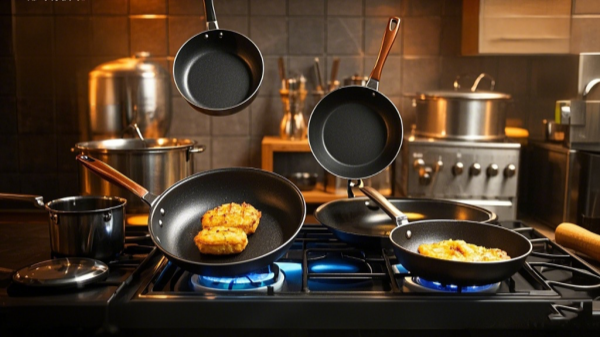
Imagine coming home after a long day at work, eager to prepare a delicious meal for your family, only to discover that your frying pan just isn't up to the task. This was the reality for Emily, a dedicated home cook who found herself struggling with uneven heat distribution and difficult cleaning after using an unsuitable pan. Her experience led her on a journey to understand what makes a frying pan truly exceptional.
In this comprehensive guide, we will explore every aspect you need to consider when choosing a frying pan. From materials and construction to size, design, and maintenance, our goal is to equip you with the knowledge necessary to make an informed decision. Whether you are a novice cook or a seasoned chef, this guide is designed to address your concerns and answer your most pressing questions.
Understanding User Priorities
The choice of a frying pan can significantly influence your cooking experience. Users typically care about several key aspects:
- Cooking Performance: Ensuring even heat distribution for perfectly cooked meals.
- Material Durability: Choosing the right material that suits your cooking style and maintenance preferences.
- Design and Ergonomics: Selecting a pan that is comfortable to use and fits your stovetop.
- Maintenance and Longevity: Understanding cleaning requirements and lifespan.
- Price and Value: Balancing cost with features, and comparing quality among different brands.
As we delve deeper, each section of this guide will address these concerns with expert advice and practical examples, ensuring you get the best value for your investment.
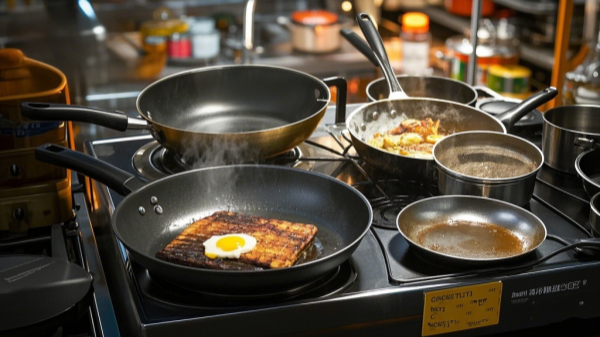
Materials and Construction
The material of your frying pan plays a crucial role in determining its performance, durability, and maintenance requirements. Here are the most common material types:
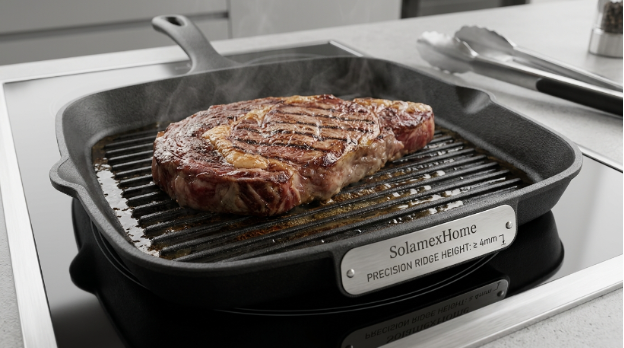
- Cast Iron: Known for its excellent heat retention and durability, cast iron is a favorite for searing and frying. However, it requires regular seasoning and can be quite heavy.
- Non-Stick Materials: These include pans made of aluminum with ceramic coatings or other advanced non-stick surfaces. They offer ease of cleaning and food release, making them ideal for low-fat cooking and delicate dishes.
- Stainless Steel: Popular for its sleek appearance and resistance to rust, stainless steel pans are durable and provide a good balance of heat distribution and maintenance ease. They are often used in professional kitchens due to their robustness.
In addition to these core materials, the construction quality matters as well. A well-constructed pan will ensure that the non-stick coatings are evenly applied and that the material distributes heat efficiently. This not only improves cooking performance but also extends the life of the pan.
Heat Distribution and Cooking Performance
Even heat distribution is essential for achieving consistently cooked meals. A pan that heats unevenly can cause food to cook improperly, leading to burnt edges and undercooked centers.
When evaluating a frying pan, consider how well it distributes heat across its surface. Materials like cast iron and high-quality stainless steel are known for their excellent heat retention and even distribution. Aluminum non-stick pans, when well-constructed, can also perform remarkably well.
Many professional chefs emphasize the importance of testing a pan’s performance by cooking simple dishes that require precise temperature control. This real-world performance testing can be a valuable indicator of a pan’s overall quality.
Size, Shape, and Design Considerations
The size and shape of your frying pan are as important as the material. Here are some key factors to consider:
- Size: Choose a pan that fits your cooking needs. A small 6-7-inch pan is perfect for a single serving or quick meals, while a 10- or 12-inch pan is ideal for family dinners or larger recipes.
- Shape: Most frying pans are round, which is great for most cooking methods. However, oval pans might be preferred for certain recipes where a longer cooking surface is beneficial.
- Ergonomics: Consider the design of the handle and overall balance of the pan. A comfortable grip and balanced weight distribution are essential for safe and effortless cooking.
To help you compare common sizes, consider the following table:
| Frying Pan Size | Ideal For | Common Uses |
|---|---|---|
| 6-7-inch | Small Meals / Single Serving | Sautéing vegetables, frying eggs |
| 10-inch | Everyday Cooking | Stir-fries, searing meats, making omelets |
| 12-inch | Family Meals / Large Portions | One-pan dishes, frying larger cuts of meat |
This table provides a quick visual comparison, enabling you to decide which size best fits your culinary needs.
Maintenance, Cleaning, and Longevity
A frying pan's performance over time depends largely on how well it is maintained. Different materials require different care:
- Cast Iron: Requires regular seasoning to maintain its non-stick properties. Cleaning should be done with minimal soap to preserve the seasoning layer.
- Non-Stick Materials: These pans are best cleaned with non-abrasive tools to protect the coating. Avoid overheating to maintain the non-stick surface.
- Stainless Steel: Generally dishwasher safe, though hand washing is recommended to maintain a shiny finish and avoid potential water spots.
With proper care, a high-quality frying pan can last for many years, saving you money and ensuring consistent cooking performance. Regular maintenance not only improves the pan's lifespan but also keeps your cooking experience safe and enjoyable.
Price, Warranty, and Value for Money
When selecting a frying pan, the decision process differs significantly between consumer (2C) and commercial (2B) buyers. In the retail space, home cooks have abundant choices like All-Clad, Tefal, and Scanpan, each offering unique features at varying price points. However, for restaurants, catering services, and retailers, Solamex Wholesale Cookware emerges as a leader in delivering cost-effective, durable solutions tailored to professional demands.
| Feature | Solamex Wholesale Cookware | Other Brands |
|---|---|---|
| Durability | High-quality materials with rigorous testing | Variable quality, inconsistent performance |
| Warranty | Extended warranty and reliable customer service | Standard or limited warranties |
| Price | Competitive pricing for premium quality | Often higher cost for similar features |
| Heat Distribution | Engineered for even and consistent heating | May experience hot spots |
When comparing options, remember that investing in quality cookware like Solamex can significantly enhance your cooking experience while offering exceptional value over time.
Special Features and Innovations
Beyond the basics of material and design, modern frying pans come with innovative features that cater to today’s eco-conscious and tech-savvy consumers. Many pans now incorporate:
- Eco-Friendly Coatings: These non-toxic, eco-friendly coatings ensure that your cookware is safe for both your health and the environment.
- Induction Compatibility: With the growing popularity of induction cooking, many pans are designed to work seamlessly with induction cooktops.
- Smart Temperature Control: Advanced frying pans now feature technologies that help maintain optimal cooking temperatures, reducing the risk of overcooking.
These innovations not only improve the functionality of the pans but also enhance the overall user experience. As technology continues to advance, we can expect even more features that cater to modern cooking needs.
Frequently Asked Questions (FAQ)
To wrap up our guide, here are some expert tips and answers to common questions that users frequently ask:
Frequently Asked Questions
Q: How can I tell if my frying pan heats evenly?
A: A simple way to test heat distribution is to sprinkle a few drops of water on the surface. If the water droplets dance around and evaporate uniformly, your pan is likely heating evenly.
Q: Can I use metal utensils on non-stick pans?
A: It’s best to use wooden or silicone utensils to avoid scratching the non-stick surface, even if the pan is made with high-quality non-stick materials.
Q: What is the best way to clean a cast iron pan?
A: Clean cast iron pans with minimal soap and water, dry immediately, and apply a light coat of oil to preserve the seasoning.
Q: Are stainless steel pans compatible with all cooktops?
A: Yes, stainless steel pans are generally versatile and work on gas, electric, and induction cooktops.
We encourage you to leave your comments or questions below. Your experiences and queries help create a valuable community resource for all cooking enthusiasts.
Conclusion
Choosing the perfect frying pan involves a careful balance of material quality, design, and value for money. From understanding the differences between cast iron, non-stick materials, and stainless steel to evaluating factors such as heat distribution, size, and ergonomic design, this guide has covered all the aspects that matter.
Whether you are upgrading your current cookware or purchasing your first frying pan, the insights shared here—supported by expert tips and real-life examples—should help you make a confident decision. Remember, a high-quality frying pan can transform your cooking, making meal preparation more enjoyable and efficient.
Deep Frying Pans Demystified: Your Practical Guide to Superior Frying
How to Choose the Perfect Frying Pan Size for Your Kitchen