Why Aluminium Alloy Frying Pans Are the Ultimate Choice for Modern Kitchens
Table of Contents
I. Introduction
Choosing the right frying pan is essential for both everyday cooking and professional culinary endeavors. With a vast array of materials available, it becomes crucial to understand each option’s strengths and limitations. Aluminium alloy frying pans have carved out a niche in modern kitchens due to their exceptional performance, versatility, and user-friendly attributes. This article explores the advantages of aluminium alloy frying pans, dives into advanced coating technologies, compares them with other popular materials, and examines specific use cases and environmental benefits. Ultimately, we will also discuss how customized OEM aluminium alloy frying pans can be tailored to meet unique brand and consumer demands.
II. Advantages of Aluminium Alloy Frying Pans
Aluminium alloy frying pans offer a range of benefits that make them a preferred choice for many. They not only enhance cooking performance but also address practical concerns such as ease of handling and cost efficiency.
1. Superior Heat Conductivity
One of the most significant advantages of aluminium is its ability to rapidly absorb and distribute heat. This means that your food cooks evenly and quickly, preventing the formation of hot spots that could burn delicate dishes. Compared to materials like stainless steel or cast iron, aluminium alloys excel in both heating up and cooling down, ensuring you maintain optimal temperature control throughout the cooking process.
2. Lightweight and Easy Handling
The lightweight nature of aluminium makes these pans incredibly easy to maneuver. This is particularly beneficial for home cooks and chefs who require swift handling during intensive cooking sessions. Reduced weight also minimizes wrist strain, providing comfort even during prolonged use.
3. Durability and Corrosion Resistance
With advanced anodization and coated techniques, aluminium alloy frying pans gain enhanced durability and improved resistance to corrosion. This treatment forms a protective layer on the surface, ensuring the pan withstands frequent use and harsh cleaning processes while maintaining its aesthetic appeal.
4. Affordability and Cost-Effectiveness
In addition to performance, aluminium pans are known for their budget-friendly price. They provide excellent value for money without compromising on quality, making them a popular choice for both households and commercial kitchens where cost efficiency is a priority.
III. Advanced Coating Technologies for Aluminium Alloy Frying Pans
Beyond the natural benefits of aluminium, innovations in coating technology have further elevated the functionality and longevity of these frying pans. Advanced coatings not only enhance the non-stick properties but also contribute to healthier cooking and easier maintenance.
1. Non-Stick Coatings (PTFE, Ceramic, and Hybrid Coatings)
PTFE (Teflon) coatings are widely used for their excellent food release properties, reducing the need for excessive oil. Alternatively, Ceramic coatings offer a toxin-free option that withstands high temperatures without compromising food safety. Manufacturers are also experimenting with hybrid coatings to combine the best of both worlds, ensuring enhanced durability alongside superior non-stick performance.

2. Hard-Anodized Aluminium
The hard-anodization process further increases the strength and scratch-resistance of aluminium pans. This method not only improves the overall non-stick properties but also significantly extends the lifespan of the cookware, making it a reliable tool for everyday use.
3. Eco-Friendly and PFOA-Free Innovations
In response to growing consumer demand for healthier and environmentally friendly products, many manufacturers now offer eco-friendly coatings that are PFOA-free. These advancements ensure that your cooking is not only efficient but also safe, reducing the risk of harmful chemicals leaching into your food.
IV. Comparison with Other Frying Pan Materials
While aluminium alloy frying pans offer numerous benefits, it’s useful to compare them with other popular materials to understand their distinct advantages.
| Material | Advantages | Disadvantages |
|---|---|---|
| Stainless Steel | Non-reactive, durable, great for high-heat searing | Poor heat conductivity unless layered, may require more oil to prevent sticking |
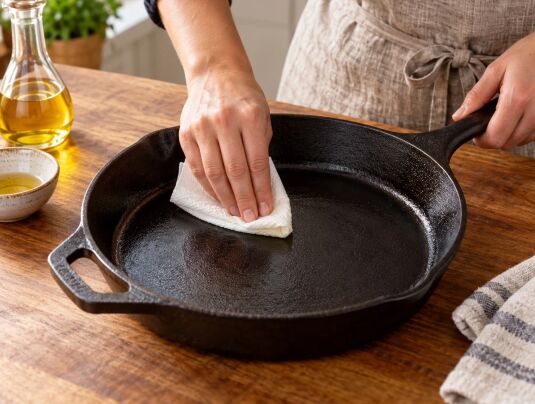
| Cast Iron | Excellent heat retention, natural non-stick surface when seasoned | Heavy, requires regular seasoning, prone to rust |
| Copper | Superior heat conductivity, precise temperature control | Expensive, high maintenance, usually lined with another metal |
| Carbon Steel | Lightweight, becomes non-stick with seasoning, responsive to temperature | Requires maintenance to prevent rust, must be seasoned regularly |
This comparison highlights that while other materials offer unique benefits, aluminium alloy frying pans stand out for their combination of rapid heat transfer, ease of use, and cost effectiveness.
V. Best Use Cases for Aluminium Alloy Frying Pans
Aluminium alloy frying pans cater to a wide range of cooking environments and requirements. Their versatility makes them an ideal choice for various settings:
1. Everyday Home Cooking
For daily meal preparation, aluminium pans offer a perfect balance between performance and convenience. Their fast heating capabilities make them ideal for quick meals, breakfasts, and stir-fries, while non-stick coatings simplify cleaning.
2. Professional and Commercial Kitchens
In busy restaurant kitchens, where speed and consistency are paramount, these pans excel. Their rapid heat response and durability ensure that chefs can maintain high productivity without sacrificing quality.
3. Outdoor and Camping Cookware
The lightweight construction of aluminium alloy pans makes them excellent for outdoor use. Whether you’re camping or cooking over an open flame, these pans offer resilience and efficiency without adding extra bulk.
4. Health-Conscious Cooking
With advanced non-stick and eco-friendly coatings, aluminium alloy frying pans help reduce the amount of oil needed during cooking. This contributes to healthier meals while also minimizing the ingestion of potentially harmful chemicals.
VI. Environmental and Sustainability Aspects of Aluminium Alloy Cookware
Sustainability and environmental responsibility are becoming critical factors in consumer purchasing decisions. Aluminium alloy cookware not only meets high performance standards but also addresses ecological concerns.
1. Recyclability of Aluminium
One of the key advantages of aluminium is its high recyclability. Recycling aluminium requires significantly less energy compared to producing new metal, reducing the environmental impact. Many cookware manufacturers now use recycled aluminium, promoting a circular economy.

2. Energy Efficiency in Manufacturing
The production processes for aluminium alloy pans generally consume less energy than those for other materials such as stainless steel or copper. With innovations in eco-friendly coatings and anodization, the overall carbon footprint of aluminium cookware is further minimized.
3. Health and Safety Considerations
The use of BPA-free and PFOA-free coatings on aluminium pans ensures that food remains uncontaminated by harmful substances. Additionally, the anodized surface prevents metal leaching, which enhances food safety and contributes to healthier cooking practices.
VII. The Benefits of Customized OEM Aluminium Alloy Frying Pans
For businesses and emerging brands, customized OEM aluminium alloy frying pans offer a unique opportunity to combine quality with branding. Customization allows manufacturers to produce pans that not only meet rigorous performance standards but also reflect a brand’s identity.
1. Tailored Designs for Brand Identity
OEM solutions enable companies to choose specific shapes, handle designs, and finishes that resonate with their brand image. This level of customization helps in creating a unique product that stands out in a competitive market.
2. Bulk Manufacturing Advantages
Partnering with OEM manufacturers can be cost-effective, especially for bulk orders. This efficiency in production allows businesses to lower costs and deliver high-quality cookware at competitive prices.
3. Quality Assurance and Material Customization
Customized OEM products undergo rigorous quality control, ensuring consistency and adherence to international safety standards. The flexibility in choosing different aluminium alloys, thickness levels, and coating options means that the final product can be perfectly aligned with market demands.
4. Growing Demand for Private Label Cookware
With more retailers and new brands looking to offer exclusive products, the demand for private label solutions is on the rise. Customized OEM aluminium alloy frying pans allow these businesses to provide high-quality, branded cookware that meets consumer trends and preferences.
At Solamex, we specialize in providing high-quality wholesale cookware solutions. Our extensive experience in the cookware industry enables us to offer products that meet rigorous performance standards while reflecting your brand's unique identity. With competitive pricing and a commitment to excellence, we ensure that our cookware solutions align perfectly with your business needs.
VIII. Conclusion
In summary, aluminium alloy frying pans represent an excellent blend of performance, durability, and affordability. Their superior heat conductivity, lightweight design, and advanced coating technologies make them an ideal choice for a wide range of cooking applications—from everyday home meals to professional culinary environments.
Whether you are a home cook, a professional chef, or a business seeking innovative cookware solutions, choosing the right frying pan can transform your cooking experience. Embrace the advantages of aluminium alloy frying pans and experience the difference in every dish you create.
7 qt Nonstick Soup Pot Essentials: Efficiency, Durability & Versatility Uncovered
From Cast to Crisp: Your Definitive Guide to Choosing the Perfect Pizza Pan