Your Gas Stove's Best Friend: Choosing the Right Cooking Pots
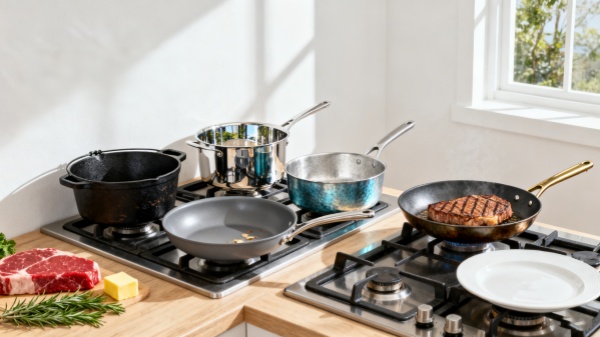
Ever had that frustrating moment? You’ve got a beautiful gas stove with its powerful, responsive flame, but the dish you’re cooking is scorched on one side and undercooked on the other. Believe me, the problem probably isn't your cooking skills—it's your cookware.
A gas stove’s direct flame and instant temperature changes are a dream for control, but they also demand more from your pots and pans. It's a completely different world from the gentle, uniform heat of an electric or induction cooktop. But don't worry, this isn't another generic list of products. We're going to dive deep into *why* certain cookware thrives over an open flame while others warp and fail. By the end, you'll be able to walk into any store and confidently pick the perfect partner for your kitchen.
So, let's start by solving the first mystery: why exactly are gas stoves so “picky” about their pots?
Why Your Gas Stove is "Picky": Understanding the Science of Flame and Metal
Think of the flame from your gas burner as a spotlight. It’s an intense, concentrated jet of heat aimed directly at the center of your pan. This creates a few challenges that the right cookware is built to handle.
- Direct Flame Contact: The intense heat in one spot can create notorious "hot spots." Without a pan that can effectively spread that energy, you get uneven cooking. This is why thin, cheap pans are a gas stove's worst enemy.
- Rapid Heat Response: When you crank the dial, the heat is immediate. Your pan needs to be able to absorb and distribute that sudden thermal energy quickly and evenly. If it can't, the metal expands unevenly, leading to the dreaded—and often permanent—warping of the base.
- Energy Loss: Flames can lick up the sides of the pan, heating the handles and wasting energy. The shape and material of your pot play a role in capturing as much of that heat as possible right where you need it: on the cooking surface.
Understanding these challenges makes it clear that the material your cookware is made of isn't just an aesthetic choice; it's the most critical factor for success. Now, let’s get into the great material debate.
The Great Material Debate: Best Cookware Materials for Gas Stoves
Stainless Steel: The Reliable Workhorse
Stainless steel on its own is actually a poor heat conductor. The real secret here is in the layers. High-quality stainless steel cookware for gas stoves features a multi-ply construction—a sandwich of stainless steel with a core of highly conductive aluminum or copper.
- Pros: Extremely durable, non-reactive (won't affect the taste of acidic foods), dishwasher safe, and looks fantastic.
- Cons: Can be prone to sticking if not preheated properly; quality multi-ply versions can be an investment.
- Best For: Sautéing, browning, searing, making sauces, and general all-purpose cooking. A great clad-stainless-steel skillet is arguably the most versatile pan you can own.
Cast Iron: The King of Heat Retention
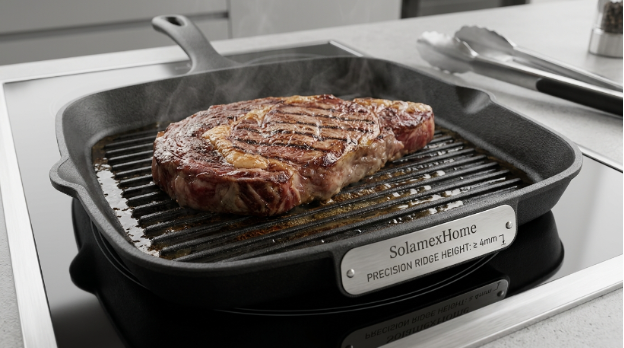
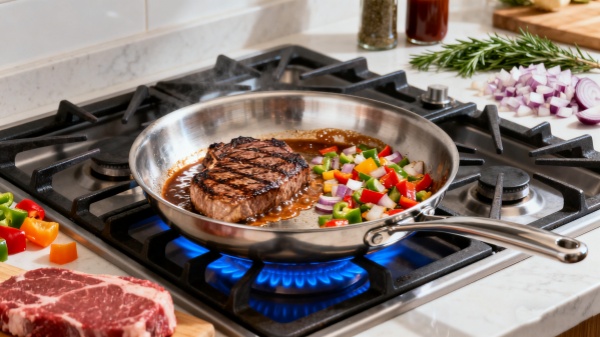
There's a reason cast iron has been a kitchen staple for centuries. Once it gets hot, it stays hot. This thermal density creates an unparalleled surface for searing meat, achieving that perfect, crusty exterior.
- Pros: Unbeatable heat retention, incredibly durable (can last generations), and develops a natural non-stick surface over time with proper "seasoning."
- Cons: Very heavy, slow to heat up and cool down, and requires hand-washing and maintenance to prevent rust.
- Best For: Searing steaks, frying chicken, baking cornbread, and anything that benefits from intense, sustained heat. For a perfect steak sear, nothing in our kitchen beats a well-seasoned cast iron skillet.
A Quick Tip from Our Kitchen: Don't be afraid of cast iron maintenance! A simple wipe-down, rinse, and a thin layer of oil after each use takes less than a minute and will keep your pan in perfect shape.
Copper: The Responsive Champion
If stainless steel is a reliable sedan and cast iron is a powerful truck, then copper is a high-performance sports car. It has the best thermal conductivity of any common cookware material, meaning it heats up almost instantly and cools down just as fast, giving you ultimate control.
- Pros: Superb temperature control and responsiveness, heats very evenly.
- Cons: Very expensive, requires polishing to maintain its shine, and is reactive, so it's always lined with a non-reactive metal like stainless steel.
- Best For: Delicate sauces, caramel, risotto, and any dish where precise, immediate temperature adjustments are critical.
Carbon Steel: The Lighter Cousin of Cast Iron
Often found in professional kitchens, carbon steel offers many of the benefits of cast iron—great heat retention and a seasoned non-stick surface—but in a lighter, more responsive package. It heats up much faster, making it ideal for high-heat cooking.
- Pros: Heats quickly, durable, and lighter than cast iron.
- Cons: Requires seasoning and maintenance, can rust if not cared for.
- Best For: Wok cooking and stir-frying, searing, and blistering vegetables.
Buyer's Checklist: 4 Key Features to Inspect Beyond Material
So you've picked a material. Great! But the design and construction are just as important. Before you buy, run through this mental checklist.
1. The Bottom is Everything: Flat, Heavy, and Wide
This is non-negotiable for a gas stove. Flip the pan over. The base should feel thick, heavy, and be perfectly flat. This heavy bottom acts as a buffer, absorbing the flame's intense heat and distributing it evenly across the cooking surface. A flat base ensures stability on the grate.
2. Handles That Stay Cool (and Secure)
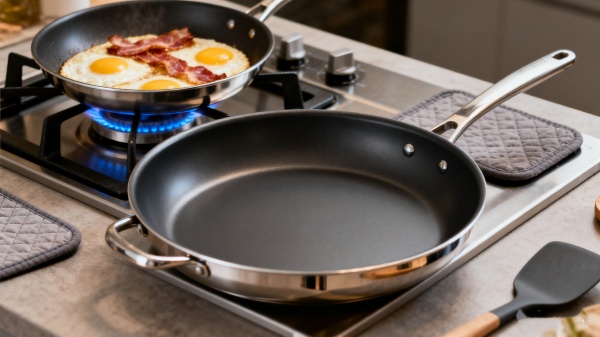
Gas flames can ride up the sides of a pan, making handles dangerously hot. Look for handles that are securely riveted to the body of the pan—they're far more durable than screwed-on ones. Stainless steel handles are durable and oven-safe but will get hot; handles with heat-resistant silicone offer a comfortable, cooler grip.
3. Lids That Fit Snugly
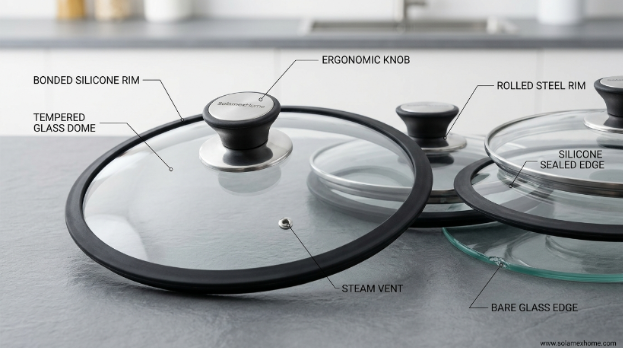
A loose-fitting lid lets steam—and flavor—escape. Look for lids that sit tightly on the rim. We're big fans of glass lids because they let you see what’s going on inside without releasing heat, which is perfect for simmering sauces or steaming rice.
4. Shape and Weight: A Matter of Balance
A well-made pan should feel balanced and solid, not flimsy or awkwardly heavy. The shape should fit your needs: a skillet with flared sides for easy tossing, a stockpot with high sides for soups, or a saucepan with straight sides for liquids.
Cookware to Use with Caution (or Avoid) on a Gas Stove
Not all cookware is up to the challenge. To save yourself some heartache, be wary of these:
- Thin, Flimsy Pans: Especially those made from thin aluminum or low-quality stainless steel. They are almost guaranteed to warp and will cook your food in a pattern of hot and cold spots.
- Glass or Ceramic Cookware: While some are rated for stovetop use, they are poor heat conductors and are highly susceptible to "thermal shock"—a sudden temperature change that can cause them to crack or shatter.
- Pans with a Warped Bottom: If you have an old pan that already has a wobble, don't use it on your gas stove. It will be unstable and heat incredibly unevenly.
People Also Ask: Your Top Questions Answered
We get these questions all the time, so let's clear them up.
Do I really need to buy a whole new set of cookware for my gas stove?
Not necessarily. The first step is to check your existing cookware. If you have pans with thick, flat bottoms made of materials like multi-ply stainless steel or cast iron, they are likely to perform very well. This guide will help you identify which pieces are keepers and which might be worth upgrading for a better cooking experience.
How can I prevent my pans from warping on my high-power gas stove?
The key is to avoid 'thermal shock.' Never place an empty pan on a high flame for an extended period, and never plunge a scorching hot pan into cold water. Always start preheating on medium-low and gradually increase the temperature. This gentle approach gives the metal time to expand evenly, significantly reducing the risk of warping.
Is non-stick cookware safe on a gas stove?
Yes, it is, but with a few important caveats. Avoid using your highest flame setting, as excessive heat can damage the non-stick coating and potentially release harmful fumes. Always choose a non-stick pan with a heavy, thick base designed for gas stoves, which helps distribute heat more evenly and protects the coating.
Our Final Recommendation: It's About Your Cooking Style
Ultimately, the "perfect" cookware set is the one that matches how you cook.
For the Everyday Home Chef: We believe the best foundation is a high-quality multi-ply stainless steel set. It's versatile, durable, and handles nearly everything. Supplement that with a single 10 or 12-inch cast iron skillet for searing, and you'll be equipped for 95% of all recipes.
For the Culinary Enthusiast: If you love tackling complex recipes, consider adding a copper saucepan to your collection for its unmatched temperature control. A carbon steel wok will also unlock a new world of high-heat stir-frying that stainless steel just can't replicate.
For the Convenience-Seeker: There is absolutely a place for non-stick. A quality hard-anodized aluminum non-stick pan is perfect for eggs, pancakes, and delicate fish, making both cooking and cleanup a breeze.
Conclusion
Choosing the right cookware for your gas stove isn't about finding the most expensive brand; it’s about understanding the physics of heat and metal. By investing in pans with thick, flat bottoms and materials that conduct heat beautifully, you're not just buying a product—you're investing in better-tasting food and a more enjoyable, controlled cooking experience.
So take a look at your kitchen cabinets, use this knowledge to assess what you have, and make your next purchase with confidence. Enjoy the incredible power and control of your gas stove with the right partner by its side.
Happy cooking!

Solamex — Wholesale Pots and Pans Expertise
Solamex offers types of Gas Stove Cookware and wholesale pots and pans, combining durable materials, precise craftsmanship, and flexible product customization. From premium stainless steel to advanced nonstick lines, our catalog is built for both retail distribution and demanding commercial kitchens — ensuring consistency in performance and presentation.
Where Is Made In Cookware Made? Origins, Verification, Each Product Line Means
Cooking Pots For Gas Stoves: Materials, Performance, And Buyer Checklist