Cast Aluminum Cookware: Safety, Cleaning & Maintenance Guide for Optimal Performance
Cast aluminum cookware offers an ideal balance of lightweight handling and rapid, even heat distribution, thanks to aluminum’s high thermal conductivity of 205 W/m·K and its low density, which makes it notably more agile than cast iron. Modern anodized or coated finishes create a non‑reactive barrier that minimizes aluminum leaching—even with acidic foods. Everyday maintenance is straightforward: warm water with mild detergent prevents surface damage, while boiling a mixture of cream of tartar, vinegar, or lemon juice restores shine and removes oxidation. By following simple seasoning, cleaning, and storage routines, cast aluminum pans can stay safe, functional, and attractive for years to come.
1. Introduction
Cast aluminum cookware is produced by pouring molten aluminum into precision molds, yielding a single-piece pan that resists corrosion and warping. The result is cookware that rivals cast iron in durability but weighs up to 70% less. In this article, we’ll explore why cast aluminum is beloved in professional and home kitchens, examine safety concerns around aluminum leaching, outline best cleaning techniques, and share maintenance tips to keep your pans performing at their best.
2. Benefits & Features of Cast Aluminum Cookware
Chefs and home cooks value cast aluminum for several reasons:
- Exceptional Thermal Conductivity: Aluminum’s conductivity of 205 W/m·K allows pans to heat up quickly and distribute heat evenly, reducing hot spots and uneven cooking.
- Lightweight Design: Compared to cast iron, aluminum pans can be up to 70% lighter, easing wrist strain and simplifying handling, especially when full of food.
- Corrosion Resistance: Aluminum naturally forms a thin oxide layer that prevents rust; anodized finishes further enhance durability by creating a harder, more scratch-resistant surface.
- Cost‑Effectiveness: Aluminum cookware is generally more affordable than stainless steel or hard‑anodized options, making it attractive for large-scale, cost-conscious kitchens.
3. Is Cast Aluminum Cookware Safe?
Concerns about aluminum leaching—and potential links to neurological diseases—have persisted since the 1960s. However, recent studies demonstrate that properly anodized or coated aluminum releases minimal metal into food under normal cooking conditions.
3.1 Understanding Aluminum Leaching
New aluminum cookware can leach higher levels of aluminum compared to older, seasoned pans, especially when cooking acidic foods like tomato sauce. Typical concentrations range from 3.2 to 4.6 mg/kg of food—values deemed safe by health authorities.
3.2 Ceramic Coating vs. Bare Aluminum
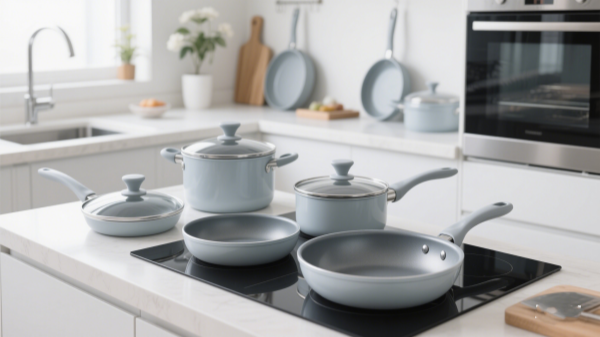
Ceramic‑coated cast aluminum cookware features a durable, mineral‑derived ceramic layer bonded to the aluminum core, creating a smooth, PFOA‑ and PTFE‑free surface that resists sticking and prevents direct food‑to‑aluminum contact. This ceramic coating can safely withstand oven temperatures up to 450 °F without releasing harmful chemicals, making it ideal for searing, sautéing, and roasting.
In contrast, bare aluminum lacks such a barrier and is more prone to leaching trace aluminum ions—especially when cooking acidic or salty ingredients—potentially imparting a metallic taste and slightly increasing dietary aluminum exposure. To ensure long‑term performance and safety, opt for high‑quality ceramic‑coated pans,like Solamex Cookware, avoid metal utensils that can scratch the glaze, and replace any cookware showing significant flaking or wear in the coating
3.3 Expert Recommendations
- Avoid cooking highly acidic dishes in untreated aluminum pans.
- Choose hard‑anodized or properly coated options for everyday use.
- Discard pans with scratched or pitted surfaces to minimize leaching risks.
4. How to Clean Cast Aluminum Cookware
Maintaining your cast aluminum cookware’s finish and performance is simple with the right cleaning methods.
4.1 Everyday Washing
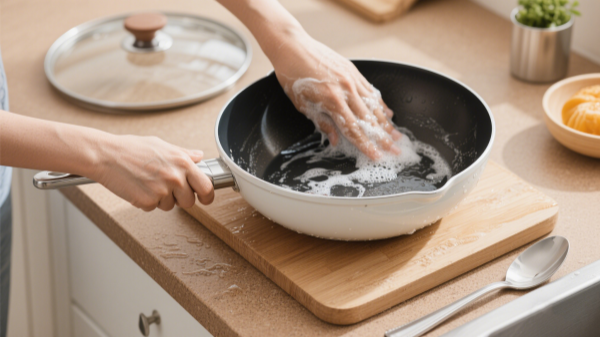
After each use, rinse the pan with warm water and a mild, hand‑soap–grade detergent. Avoid dishwashers and harsh chemicals, which can strip coatings and accelerate oxidation.
4.2 Removing Discoloration
To restore shine and remove oxide build‑up, add 2 tablespoons of cream of tartar, white vinegar, or lemon juice to water in the pan. Bring to a gentle boil for 10–15 minutes, then allow to cool before scrubbing lightly and rinsing.
4.3 Tackling Burnt‑On Residue
Note: Steer clear of steel wool or abrasive scouring pads on anodized surfaces to prevent scratching.
5. Best Practices for Using Cast Aluminum Cookware
Following these guidelines will maximize your pan’s non‑stick performance and lifespan.
5.1 Seasoning New Pans
Before first use, wash thoroughly with warm, soapy water and dry completely. Apply a thin layer of high‑smoke‑point oil, heat to smoking point, cool, and repeat two more times to build a protective patina.
5.2 Optimal Heat Settings
Use medium to medium‑high heat. Aluminum heats so efficiently that using maximum flame can cause food to stick or burn quickly. Adjust heat according to food volume and type.
5.3 Foods & Utensils to Avoid
- Avoid prolonged cooking of acidic or salty foods in bare aluminum to minimize leaching risks.
- Use silicone, nylon, or wooden utensils to protect anodized surfaces.
6. Maintenance & Long‑Term Care Tips
Proper storage and routine care keep your cookware looking new and functioning perfectly.
6.1 Hand‑Wash Only
Skipping the dishwasher and harsh detergents prevents oxidation and preserves coatings.
6.2 Drying & Light Oiling
After washing, towel‑dry immediately. Apply a light coat of oil to the interior surface and heat briefly to reinforce the protective layer against moisture.
6.3 Safe Storage
Stack pans with protective liners (felt or paper) between them to prevent scratches. Store in a cool, dry place away from acidic cleaning agents.
7. Conclusion
By understanding the unique advantages of cast aluminum cookware—notably its lightweight durability and rapid, even heating—and by choosing quality anodized or coated finishes, you can enjoy both safety and performance in your kitchen. Regular, gentle cleaning routines and simple seasoning and storage practices will extend your pans’ lifespan and keep them looking like new. Ready to upgrade your cookware? Share your experiences and questions in the comments below!
Cast Aluminum Cookware: A Comprehensive Guide to Safety, Care, and Performance
Die‑Cast Aluminum Cookware: Performance & Safety Guide