Cast Aluminum Cookware: Separating Safety Facts from Fiction
Cast Aluminum Cookware: Separating Safety Facts from Fiction
A clear, practical look at cast aluminum cookware safety: what science says about metal leaching, how coatings prevent it, and simple habits that keep your pans reliable.
Intro — the kitchen question everyone asks
Walk into any home kitchen or a busy restaurant and you’ll probably find aluminum cookware somewhere — pots, pans, bakeware and so on. It’s light, it heats up fast and it’s often affordable. So: is cast aluminum cookware safe? Let’s unpack that without jargon, and with a few practical tips you can actually use.
What exactly is “cast aluminum”?
In plain terms: molten aluminum is poured into a mold, cooled, and you get a pan or pot. Compared to thin rolled aluminum, cast aluminum pieces may be thicker and behave differently on heat. The common perks are fast, even heating and a weight that’s easy to manage.
Aluminum and health — quick primer
Aluminum is everywhere: in foil, some food additives, certain antacids and even in some cosmetics. The body absorbs only a small fraction from food, and healthy kidneys remove most of what gets in. That’s why occasional exposure is typically not a problem. However, very high chronic exposure, or reduced kidney function, raises a different set of concerns. Regulatory bodies have set tolerable intake values to guide risk analysis.
Short context: EFSA and WHO (JECFA) have assessed aluminum exposure and set tolerable intake benchmarks used around the world to judge risk. These help put any small amount of metal transfer from cookware into perspective.
Safety analysis — does aluminum leach into food?
Yes — but it depends on three big things
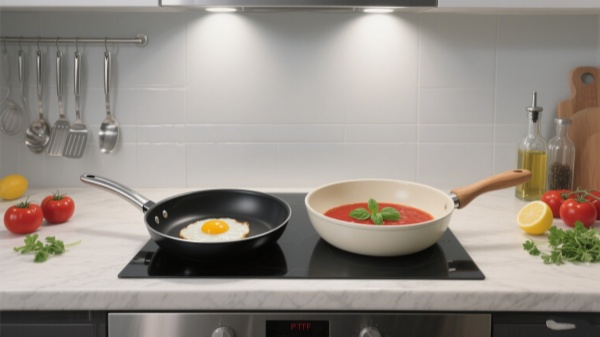
- Food type: Acidic foods (think tomatoes, vinegar, citrus) increase aluminum dissolution.
- Heat & time: The longer and hotter you cook, the more chance for metal to migrate.
- Pan condition: Scratches, pitting or worn coatings expose bare metal and raise transfer risk.
Put those together — a scratched pan simmering tomato sauce for two hours — and you get more leaching than a quick sauté. Laboratory studies consistently show this pattern. (So yes, the chemistry is real; in everyday, typical cooking it’s usually small, but the combination above matters.)
Why coatings make a big difference
Two common surface treatments matter most:
- Anodized (hard-anodized) aluminum: an electrochemical process forms a dense oxide layer on the metal. It’s tough and reduces metal transfer substantially — this is why many cooks prefer anodized gear.
- Nonstick coatings (PTFE, ceramic-like): these create a barrier between metal and food — again, effective only while the coating is intact. High heat or abrasive cleaning can damage them.
How to choose, use and maintain cast aluminum
Buying tips
Buy from trusted sources; check labels for “hard-anodized” or manufacturer guidance about dishwasher/oven use. Clear instructions and certifications reduce unknowns.
Cooking habits that help
- Don’t simmer highly acidic dishes for hours in bare aluminum — pick anodized or ceramic coating cast aluminum for those recipes.
- Avoid overheating an empty pan; very high dry heat can damage coatings.
- If a nonstick or anodized surface is flaking or shows deep scratches, replace the pan — the protective barrier is compromised.
Cleaning & storage
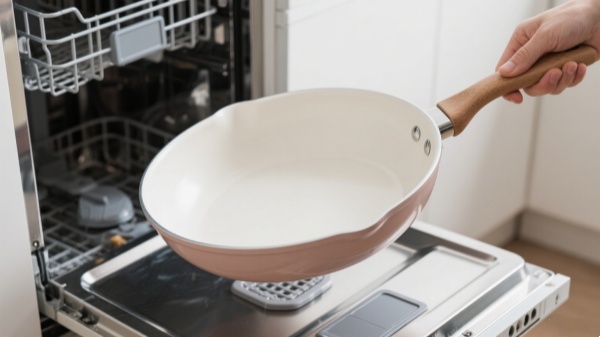
Use mild dish soap and soft sponges. Steel wool and harsh scrubs accelerate wear. Even when a product claims “dishwasher safe,” repeated cycles and strong detergents can shorten coating life — hand washing preserves it longer. Health agencies advise that most cookware is safe when well maintained and used as intended.
Alternatives — short comparison table
| Material | Pros | Cons |
|---|---|---|
| Anodized Aluminum | Light, great heat, low transfer when intact | Needs gentle care; damaged coating reduces benefits |
| Stainless Steel | Non-reactive; durable; easy to clean | Typically needs heavier base for even heat |
| Cast Iron | Excellent heat retention; long-lived | Heavy; needs seasoning or enamel; can rust |
| Ceramic-Coated | Often marketed as “nontoxic”; nonstick-like | Coating quality varies widely; durability varies by brand |
Short FAQs & common myths
Does aluminum in cookware cause Alzheimer’s?
Short answer: not proven. Some studies have looked for links between very high aluminum exposure and neurodegeneration, but routine dietary exposure from cookware has not been shown to directly cause Alzheimer’s disease — evidence is inconsistent and not definitive. Regulatory risk assessments use conservative tolerable intake values to keep exposures well below levels of concern.
Is an anodized pan “bulletproof”?
No. Anodized finishes are robust but not invulnerable. Treat them well, and they perform very well; abuse them and their protective value drops.
Conclusion — the practical bottom line
Cast aluminum cookware can be a sensible, safe choice if you pick quality (anodized or intact coated), use it smartly, and replace it when the surface is damaged. If you cook acidic dishes for long periods, prefer stainless steel or enamel-lined pots. In short: don’t panic — use common-sense care, and your cookware will serve you well.
Solamex is a trusted wholesale cookware company specializing in high-performance die cast aluminum cookware, offering diverse product lines with materials ranging from hard-anodized to ceramic-coated options. As a manufacturer, we empower bulk buyers with extensive customization capabilities — including bespoke coatings, handles, and branding — to meet specific market demands. Our direct-to-trader model delivers significant cost savings of 25-40% compared to retail brands while maintaining rigorous safety certifications (FDA, LFGB) across all collections
- Prefer anodized for aluminum-based pans.
- Avoid long simmering of acidic foods in bare aluminum.
- Hand wash when possible; inspect surfaces regularly.
- Replace pans with deep scratches, flaking, or pitting.
Selected sources & guidance used while editing: WHO/JECFA and EFSA evaluations on dietary aluminium; Health Canada guidance on cookware safety. These informed both the factual content and the humanization edits.
Stainless Steel Cookware: Pros, Cons, Comparisons & How to Use It Well
Is Cast Aluminum Cookware Safe? An Evidence-Based Guide