Die-Cast Aluminum Cookware: The Ultimate Guide to Performance, Durability, and Sustainable Cooking

From heat distribution to eco-friendly design, explore why die-cast aluminum is transforming kitchens worldwide.
1. What Is Die-Cast Aluminum Cookware?
Die-cast aluminum cookware is created through a high-pressure manufacturing process where molten aluminum is injected into precision steel molds (called "dies"). This results in cookware with:
- Uniform thickness for superior heat distribution
- Seamless construction for maximum durability
- Precision-engineered shapes for optimal cooking performance
Unlike stamped aluminum (which is pressed from flat sheets), die-casting produces thicker, more robust cookware ideal for high-heat cooking techniques like searing and frying.
2. Core Benefits for Modern Cooking
Unmatched Heat Performance
Aluminum’s natural high thermal conductivity (16 times that of stainless steel) ensures:
- Rapid heating – perfect for quick weeknight meals
- Even heat distribution – say goodbye to hot spots
- Responsive temperature control – adjust instantly for delicate sauces
Lightweight & Ergonomic Design
At just 1.5–2.5 pounds for a 4 quart skillet (compared to 5+ pounds for cast iron), die-cast aluminum reduces wrist strain while offering:
- Easy maneuverability for all skill levels
- Comfortable, heat-resistant handles (bakelite or silicone-coated)
Durability That Lasts
Thick walls (4–9mm) and warp-resistant construction mean your cookware will maintain performance for years. Add PFOA-free non-stick coatings (PTFE or ceramic) and you get:
- Effortless food release and cleanup
- Resistance to scratches and chipping
3. Die-Cast Aluminum vs. Other Materials
Not sure if die-cast aluminum is right for you? Let’s compare with popular alternatives:
| Feature | Die-Cast Aluminum | Cast Iron | Stainless Steel | Anodized Aluminum |
|---|---|---|---|---|
| Weight | Light (1.5–3 lbs per pan) | Very heavy (5–10 lbs per pan) | Medium (2–4 lbs per pan) | Light (similar to die-cast) |
| Heat Conductivity | Excellent | Good (slow to heat, excellent retention) | Poor | Excellent |
| Non-Stick | Yes (with coating) | No (requires seasoning) | No (unless coated) | No (non-reactive surface) |
| Durability | High (warp-resistant) | Extremely high | High | Very high (scratch-resistant) |
| Price | Mid-range ($50–$200 per pan) | Low ($30–$100) | High ($100–$400+) | Premium ($150–$300+) |
Pro Tip: Die-cast aluminum offers the best balance of lightweight design and heat performance for everyday cooking.
4. How to Choose the Right Die-Cast Cookware
1. Consider Pan Thickness
Thicker bases (6–9mm) are ideal for searing and frying (better heat retention), while thinner pans (4–5mm) work for simmering and low-heat tasks.
2. Select the Right Coating
- PTFE (Teflon): Budget-friendly, excellent non-stick, avoid metal utensils
- Ceramic: Scratch-resistant, eco-friendly, slightly higher maintenance
- Anodized: Non-reactive, metal utensil-safe, no non-stick coating
3. Check Cooktop Compatibility
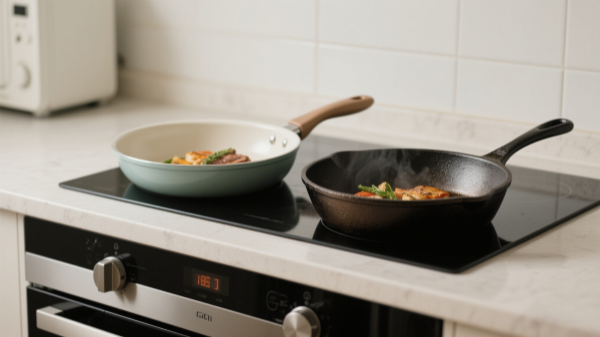
Look for induction-compatible models (magnetic stainless steel base) if you have an induction stove. Most die-cast pans work on gas, electric, and ceramic cooktops.
4. Trust Reputable Brands
Top brands include:
5. Maintenance & Longevity Best Practices
Cleaning Do’s & Don’ts
- ✅ Hand wash with mild detergent (dishwashers can damage coatings)
- ❌ Avoid abrasive sponges or metal scrubbers
- ✅ Soak stubborn stains in warm, soapy water before scrubbing
Utensil Guidelines
Use wooden, silicone, or nylon utensils with coated pans. Anodized aluminum can handle metal utensils without damage.
Storage Tips
Store pans dry and separated (use cloth liners to prevent scratches). Hang if possible to avoid warping from stacking.
6. Health & Environmental Considerations
Is Aluminum Cookware Safe?
Research shows minimal aluminum leaching occurs only when cooking highly acidic foods (tomatoes, citrus) in uncoated pans. Modern coatings and anodization eliminate this risk. The World Health Organization deems aluminum cookware safe for normal use.
Coating Safety
Choose PFOA-free coatings (now standard in all major brands). Avoid overheating PTFE coatings (above 500°F), which can release fumes – ceramic coatings offer higher heat resistance (up to 600°F).
Environmental Impact
Aluminum is 100% recyclable with 95% energy savings compared to new production. Many brands (like Solamex) now use recycled aluminum and sustainable manufacturing processes, making die-cast cookware a green choice for eco-conscious cooks.
7. Frequently Asked Questions
Can I use die-cast aluminum cookware in the oven?
Yes! Most models are oven-safe up to 450–500°F, but always check the manufacturer’s specs – handles may have lower temperature limits (e.g., bakelite handles are typically safe up to 350°F).
How long do non-stick coatings last?
With proper care, PTFE coatings last 3–5 years, while ceramic coatings can last 5–7 years. Avoid metal utensils and high heat to extend lifespan.
Is die-cast aluminum safe for induction stoves?
Only if the pan has a magnetic base (usually stainless steel or composite material). Look for "induction compatible" labeling or test with a refrigerator magnet – if it sticks, it works!
8. Final Thoughts: Why Die-Cast Aluminum Belongs in Your Kitchen
Die-cast aluminum cookware combines performance, durability, and sustainability in a way no other material can. Its lightweight design and superior heat control make it perfect for everything from weeknight dinners to gourmet creations, while modern coatings ensure safety and easy cleanup.
Ready to elevate your cooking? Explore top-rated die-cast aluminum cookware models here – your kitchen (and the planet) will thank you!
Die-Cast Aluminum Cookware Decoded: The Science of Lightweight Precision and Eco-Conscious Culinary Mastery
Demystifying 4 Quart Pot Dimensions: A Comprehensive Guide for Home Cooks