Cast Aluminum Cookware: The Lightweight Champion Outperforming Cast Iron & Stainless Steel
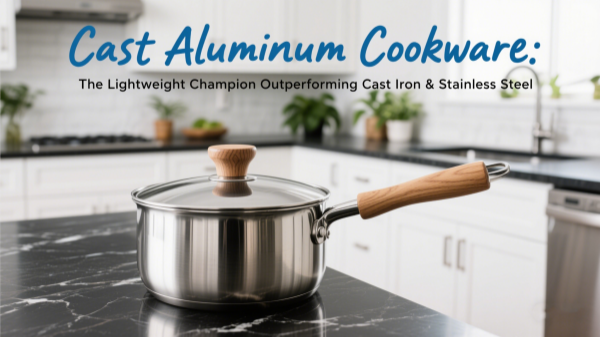
Introduction: Why Material Matters in Cookware
Choosing the right cookware material is more than just a matter of aesthetics—it directly impacts heat performance, ease of use, and longevity. Home cooks often struggle with issues like uneven hot spots, heavy pans that tire the wrist, or food that sticks and ruins a pristine sear. Enter cast aluminum cookware: a versatile, lightweight option that heats quickly, distributes temperature evenly, and pairs beautifully with modern non-stick finishes. In this article, we’ll explore why cast aluminum is gaining traction among home chefs and how it stacks up against traditional materials.
What Is Cast Aluminum Cookware?
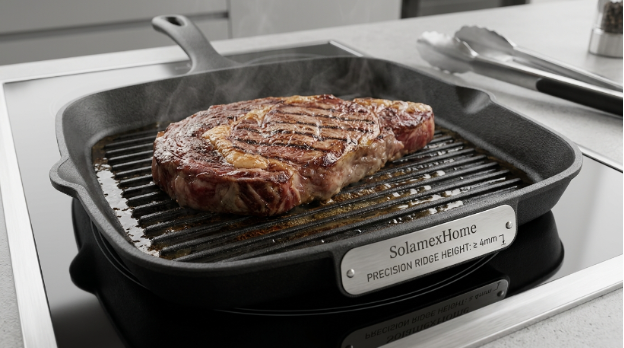
Cast aluminum cookware is produced by pouring molten aluminum into precision molds, then cooling and finishing the pieces through processes like hard-anodizing or enamel glazing. Unlike stamped or spun aluminum pans, cast pieces offer uniform thickness and robust walls, giving them superior durability and consistent heat distribution. This manufacturing method sets cast aluminum apart from:
- Cast iron, which is denser, slower to respond, and requires seasoning.
- Stainless steel, prized for durability but prone to hot spots without an aluminum or copper core.
- Copper, celebrated for rapid responsiveness but expensive and high-maintenance.
Cast Aluminum vs. Cast Iron: Weight & Responsiveness
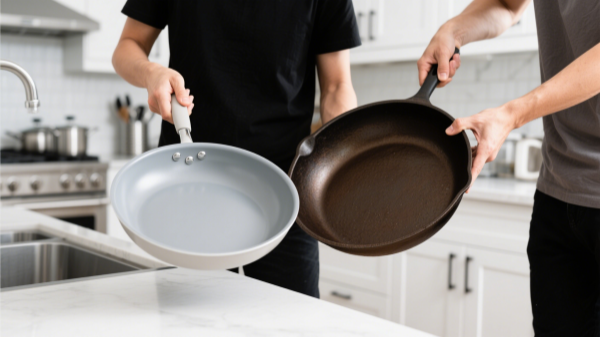
Comparing cast aluminum to cast iron reveals two clear differences: weight and thermal response. Cast aluminum pans often weigh more than 40% less, making them easy to lift, flip, and maneuver—especially important for delicate tasks like omelettes or fish fillets.
Furthermore, aluminum’s high thermal conductivity means it heats up and cools down in a fraction of the time; cast iron can take several minutes to reach temperature and just as long to cool off. This rapid temperature control gives cooks precise command over sautés, sauces, and quick-turn recipes.
Cast Aluminum vs. Stainless Steel: Conductivity & Maintenance
Stainless steel, particularly tri-ply or clad varieties, remains a professional staple—but it generally relies on aluminum or copper cores to even out heat. Pure cast aluminum, by contrast, offers uniform conductivity across its entire body, minimizing “hot spots” that can burn delicate foods.
In terms of maintenance, stainless steel is non-reactive and dishwasher-safe, while bare aluminum can discolor or pit when exposed to acidic ingredients. However, modern cast aluminum is almost always finished with anodization or a non-reactive enamel, combining aluminum’s performance with easy upkeep.
Cast Aluminum vs. Copper: Cost & Practicality
Copper cookware excels at instant temperature changes but carries a high price tag and demands regular polishing to maintain its luster. Cast aluminum delivers comparable responsiveness—thanks to aluminum’s thermal conductivity—at a fraction of copper’s cost. Plus, aluminum needs no polishing and is structurally robust, making it a more practical choice for busy home kitchens.
Many cast aluminum lines now offer heat-treated cores or layered bases to further smooth temperature transitions, narrowing the performance gap with premium copper pieces.
The Power of Non-Stick Coatings on Cast Aluminum
One of cast aluminum’s greatest advantages is its compatibility with advanced non-stick coatings. The even, dense aluminum substrate bonds superbly with PTFE, ceramic, or diamond-infused layers, yielding surfaces that release food effortlessly and clean up in seconds.
Today’s triple-layer, PFAS-free coatings on cast aluminum can endure higher temperatures and more rigorous use than ever before. Some brands claim up to 5× longer lifespan compared to entry-level non-stick pans, making them cost-effective over time.
Key Advantages of Cast Aluminum Cookware
- Lightweight Handling: Ideal for cooks of all strengths, from home chefs to seniors.
- Even Heat Distribution: Consistent cooking surface with minimal hot spots.
- Rapid Temperature Control: Perfect for recipes needing quick heat adjustments.
- Affordability: Entry-level cast aluminum sets start under \$50, with premium non-stick models in the \$70–\$120 range.
- Non-Reactive Surface: Anodized or enameled finishes prevent aluminum from interacting with acidic foods.
Potential Drawbacks & What to Watch For
- Induction Compatibility: Pure aluminum isn’t magnetic; look for a built-in magnetic base if you have an induction cooktop.
- Coating Durability: Metal utensils can scratch non-stick layers—use silicone, wood, or nylon tools.
- Heat Limits: Check manufacturer specs—some coatings degrade above 500°F. Click here to view instructions for oven safe pans and pots.
How to Choose the Best Cast Aluminum Piece
When shopping, match the pan’s design to your cooking style:
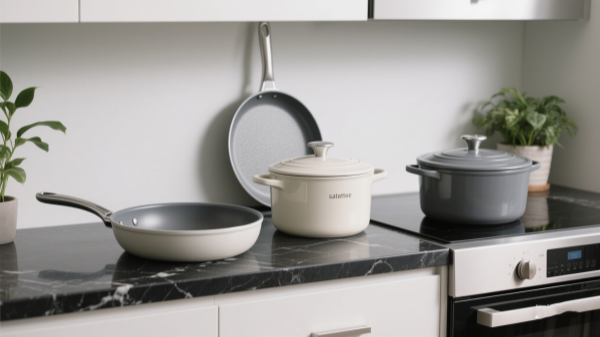
- Frying Pan: Low sides, wide surface for searing and flipping.
- Sauté Pan: Taller walls, perfect for sauces and reductions.
- Casserole Dish: Deeper profile for braises and one-pot meals.
Then, evaluate:
- Coating Type: PTFE for classic non-stick, ceramic for toxin-free cooking, or diamond-reinforced for durability.
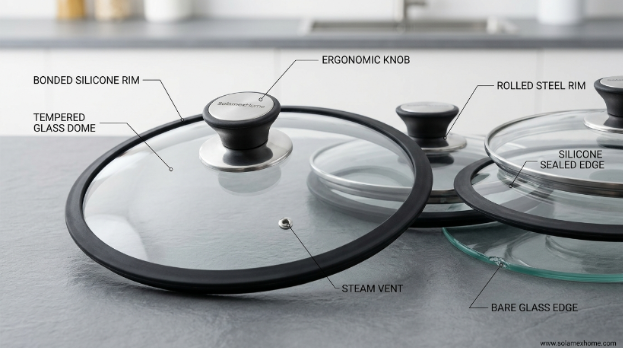
- Handle & Lid: All-metal, riveted handles; oven-safe lids up to at least 400°F.
- Brand & Warranty: Look to experts like Swiss Diamond (exclusive cast aluminum with proprietary coatings), Solamex (Ceramic & Cast Aluminum Co. – Commercial Kitchenware Wholesale), and Gunter Wilhelm for robust guarantees.
Care & Maintenance Tips for Longevity
- Hand Wash Only: Use mild detergent and soft sponge; avoid abrasive scrubbing.
- Gentle Utensils: Stick to silicone, wood, or nylon tools.
- Even Storage: Place pan protectors or soft liners when stacking to prevent scratches.
- Periodic Inspection: Check coating integrity and base flatness; replace if warping or peeling occurs.
Conclusion & Actionable Takeaways
Cast aluminum cookware strikes an exceptional balance between lightweight handling, rapid temperature control, and affordable purchasing. Its seamless integration with modern non-stick coatings elevates everyday cooking—whether you’re flipping pancakes, simmering sauces, or roasting a sheet-pan dinner. Next time you shop for new pans, consider a cast aluminum set: you’ll enjoy professional-grade performance without the premium price tag. Ready to test it out? Try a simple skillet omelette or one-pot stir-fry tonight and feel the difference!
Cast Aluminum Cookware: The Ultimate Guide to Efficiency, Health, and Versatility
The Ultimate Guide to Oven-Safe Skillets & Pots: Unlocking Versatility in Modern Cooking