Cast Aluminum Cookware: The Ultimate Guide to Efficiency, Health, and Versatility

Discover why cast aluminum cookware is revolutionizing modern kitchens. Learn about its unique advantages, non-stick technology, and how it compares to stainless steel and cast iron.
Table of Contents
- Introduction: The Material Revolution Redefining Cooking
- Material Analysis: The Essence and Manufacturing Process of Cast Aluminum
- Comparison Analysis: Cast Aluminum vs. Traditional Materials
- Technology Innovation: The Perfect Combination of Non-Stick Coating and Cast Aluminum
- Practical Guide: Maintenance and Selection of Cast Aluminum Cookware
- Market Insight: The Rise of Cast Aluminum and User Feedback
- Conclusion: The Future Material Shaping the Kitchen
Introduction: The Material Revolution Redefining Cooking
In recent years, cast aluminum cookware has become a prominent player in the global kitchenware market, captivating both home cooks and professional chefs. According to market research, the cast aluminum cookware market was valued at $1.2 billion in 2024 and is projected to reach $1.8 billion by 2033, growing at a CAGR of 5.0% . But what makes this material so special? How does its combination with non-stick coatings transform cooking experiences? Let’s delve into the details.
Unlike traditional materials like stainless steel or cast iron, cast aluminum offers a unique blend of lightweight design, superior heat conductivity, and innovative non-stick technology. Its ability to heat up quickly and evenly, combined with the convenience of easy cleaning, has made it a go-to choice for modern kitchens. But the benefits don’t stop there. Let’s explore the science and practical advantages behind this kitchen essential.
Material Analysis: The Essence and Manufacturing Process of Cast Aluminum
What is Cast Aluminum?
Cast aluminum cookware is created by pouring molten aluminum into precision molds under high pressure, a process known as die casting. This method ensures a dense, uniform structure that enhances durability and heat distribution. Unlike traditional aluminum cookware, which is often stamped or pressed, cast aluminum offers superior strength and resistance to warping .
Manufacturing Process
- Casting Technology: High-pressure die casting ensures consistent thickness and structural integrity, reducing the risk of deformation compared to traditional aluminum products.
- Surface Treatment: The aluminum surface undergoes sandblasting or chemical etching to improve adhesion for non-stick coatings. This step is crucial for ensuring the longevity of the coating .
- Coating Application: Multi-layered coatings, such as PTFE or ceramic, are applied and cured at high temperatures. Modern coatings, like diamond-reinforced layers, can withstand temperatures up to 500°F (260°C) .

Key Advantages
- Lightweight: Cast aluminum is up to 50% lighter than cast iron, making it easy to handle and maneuver .
- Superior Heat Conductivity: Aluminum conducts heat three times faster than stainless steel, reducing preheating time and ensuring even cooking .
- Non-Reactive: With a non-stick coating, cast aluminum avoids direct contact with food, making it safe for acidic ingredients like tomatoes and citrus .
Comparison Analysis: Cast Aluminum vs. Traditional Materials
To truly appreciate cast aluminum’s advantages, let’s compare it with stainless steel, cast iron, and ceramic cookware.
1. Cast Aluminum vs. Stainless Steel
| Feature | Cast Aluminum | Stainless Steel |
|---|---|---|
| Heat Conductivity | 3x faster, preheats in 1-2 minutes | Slower, requires 3-5 minutes |
| Weight | Lightweight (1-2kg) | Heavier (2-4kg) |
| Cleaning | Non-stick surface wipes clean | Prone to sticking, requires scrubbing |
| Acid Resistance | Safe for acidic foods | May react with strong acids |
2. Cast Aluminum vs. Cast Iron
| Feature | Cast Aluminum | Cast Iron |
|---|---|---|
| Weight | Up to 4 pounds lighter | Heavy (3-5kg) |
| Heat Retention | Cools quickly for precise control | Retains heat for long periods |
| Non-Stick | Pre-coated, no seasoning needed | Requires seasoning |
| Oven Safety | Safe up to 500°F (260°C) | Oven-safe but retains heat |

3. Cast Aluminum vs. Ceramic
| Feature | Cast Aluminum | Ceramic |
|---|---|---|
| Durability | Resistant to scratches and chipping | Prone to cracking |
| Heat Resistance | Withstands up to 500°F (260°C) | Typically up to 450°F (232°C) |
| Multi-Use | Suitable for all stovetops and ovens | Limited to low to medium heat |
Technology Innovation: The Perfect Combination of Non-Stick Coating and Cast Aluminum
Evolution of Coating Technology
Modern cast aluminum cookware employs advanced coating techniques (like Solamex, a commercial cookware wholesale company) to enhance performance and safety:
- Multi-Layer Structure: A primer layer improves adhesion, a middle layer adds hardness, and a top layer provides non-stick properties. This design extends coating life by 50% .
- Nano Technology: Nano particles fill microscopic pores in the coating, reducing food residue and enhancing corrosion resistance. For example, diamond-reinforced coatings are 5x harder than traditional non-stick surfaces .
- Environmental Safety: Most coatings are PFOA-free and comply with FDA and LFGB standards, ensuring no harmful chemicals leach into food .
Enhanced Cooking Experience
The integration of non-stick coatings with cast aluminum offers:
- Healthier Cooking: Reduces oil usage by 70%, ideal for low-fat diets .
- Effortless Cleaning: Food slides off easily, requiring minimal scrubbing. A simple wipe or rinse is often sufficient .
- Versatility: Compatible with induction, gas, electric, and oven safe use. Some models even feature stainless steel bottoms for induction compatibility .
Practical Guide: Maintenance and Selection of Cast Aluminum Cookware
Daily Care Tips
- Avoid Abrasive Tools: Use silicone or wooden utensils to prevent scratching the non-stick surface .
- Hand Washing Recommended: While some models are dishwasher-safe, hand washing with mild detergent prolongs coating life .
- Prevent Overheating: Avoid empty cooking, as high temperatures can damage the coating. Most coatings degrade above 500°F (260°C) .
Key Selection Criteria
- Coating Thickness: Look for coatings ≥30 microns for durability. Products like the Woll Diamond Lite feature diamond-reinforced layers for superior strength .
- Base Construction: A stainless steel or aluminum-clad base ensures even heat distribution and induction compatibility .
- Certifications: Choose products with FDA, LFGB, or EU certification to guarantee safety and quality .
Market Insight: The Rise of Cast Aluminum and User Feedback
Industry Growth
The cast aluminum cookware market is driven by health-conscious consumers and technological advancements. In 2024, 92% of users reported improved cooking experiences due to its lightweight design, while 85% praised its non-stick performance . Professional chefs, including those at Michelin-starred restaurants, favor cast aluminum for its precision in searing meats and controlling caramelization .
User Reviews
"The cast aluminum skillet from IMUSA USA heats up so quickly, I’ve cut my cooking time in half. Plus, cleaning is a breeze!" – Maria, Home Cook
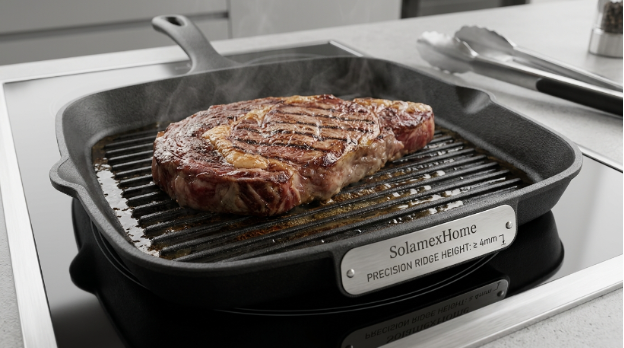
"As a chef, I rely on cast aluminum pans for their even heat distribution. They’re essential for creating perfect sear marks on steaks." – Chef John, Michelin-Starred Restaurant
Conclusion: The Future Material Shaping the Kitchen
Cast aluminum cookware offers a winning combination of efficiency, health benefits, and durability. Its rapid heat conduction, non-stick convenience, and lightweight design make it ideal for modern lifestyles. With ongoing innovations like self-healing coatings and antimicrobial technology, cast aluminum is poised to become the cornerstone of smart kitchens globally.
Upgrade Your Kitchen Today
Investing in cast aluminum cookware is an investment in quality and convenience. Whether you’re a home cook or a professional chef, this versatile material will transform your culinary experience.
Explore MoreHow to Store Pots and Pans Like a Pro: 8 Space-Saving Hacks for Every Kitchen Type
Cast Aluminum Cookware: The Lightweight Champion Outperforming Cast Iron & Stainless Steel