Ceramic Coated Stock Pot: Non-Toxic, Non-Stick & Durable Guide 2025
I. Introduction
What is a Ceramic Coated Stock Pot?
A ceramic coated stock pot is a kitchen essential reimagined for modern cooking needs. At its core, a stock pot is a large, deep vessel designed for preparing stocks, soups, stews, and boiling large quantities of ingredients. The ceramic coating—applied to the interior and sometimes exterior—is a game-changer, made from natural minerals fired at high temperatures to form a non-reactive, ultra-hard surface.
Why They're Trending
The culinary world has witnessed a surge in ceramic coated cookware popularity, with stock pots leading the charge. Market data shows a 28% increase in global sales of ceramic coated cookware over the past three years, driven by consumer demand for healthier, eco-friendly alternatives. As people become more aware of potential toxins in traditional non-stick coatings, ceramic options offer peace of mind without compromising performance.
II. Key Benefits of Ceramic Coated Stock Pots
A. Non-Toxic & Healthy Cooking
Perhaps the most compelling advantage is the absence of harmful chemicals. Unlike traditional non-stick coatings containing PTFE, PFOA, and PFAS—linked to health issues like thyroid disorders and cancer—ceramic coatings are made from natural materials. A study by the Environmental Working Group (EWG) found that ceramic coated cookware releases zero toxic fumes even when overheated, making it a safer choice for families.
The non-reactive nature of ceramic also preserves food integrity. Acidic ingredients like tomatoes or citrus won’t leach metals into your dishes, maintaining natural flavors and nutrients. This is especially important for baby food preparation or special diets requiring pure, unaltered ingredients.

B. Superior Non-Stick Performance
Ceramic coatings offer a glass-like surface where food slides off effortlessly. Whether you’re simmering a delicate fish stew or reducing a sticky barbecue sauce, cleanup is a breeze. Tests show that ceramic non-stick surfaces require 70% less oil than traditional pans, aligning with modern low-fat cooking trends.
Unlike some non-stick coatings that degrade over time, high-quality ceramic maintains its slickness even after years of use. Just ask home cooks who swear by their ceramic pots for making sauces that would normally stick and burn in stainless steel.
C. Durability & Longevity
Ceramic coatings are incredibly hard—rating 7 on the Mohs scale (diamond is 10)—making them highly resistant to scratches from utensils. The base materials—often aluminum or stainless steel—complement the coating. Aluminum provides excellent heat conductivity, while stainless steel offers corrosion resistance, ensuring the pot withstands daily use for years.
D. Optimal Heat Distribution & Retention
Ceramic coated stock pots excel in heat management. Aluminum-based models heat up 30% faster than stainless steel, while the ceramic layer distributes heat evenly, eliminating hot spots. This is crucial for slow-simmering stocks where uniform heat develops rich flavors.
Ceramic also retains heat effectively, allowing you to reduce burner settings once the desired temperature is reached. This not only saves energy but also prevents overcooking—ideal for dishes like risotto that require precise temperature control.
E. Versatility for Any Kitchen
Modern ceramic coated stock pots are compatible with all stovetops—gas, electric, halogen, and induction. Many models are oven-safe up to 500°F, enabling seamless transitions from stovetop to oven for dishes like baked macaroni or braised meats.
Whether you’re a novice cook or a professional chef, these pots adapt to various cooking techniques—boiling, simmering, sautéing, and even baking—making them a versatile addition to any kitchen.
| Feature | Ceramic Coated Stock Pot | Traditional Non-Stick Stock Pot | Stainless Steel Stock Pot |
|---|---|---|---|
| Toxic Chemicals | None (PTFE/PFOA free) | Contains PTFE/PFOA | None, but reactive with acids |
| Non-Stick Performance | Excellent, lasts long | Good, but wears over time | Poor without oil |
| Heat Distribution | Even (with aluminum base) | Even | Uneven (hot spots) |
| Durability | High (scratch-resistant) | Medium (coating peels) | High (but stains easily) |
| Maintenance | Easy (hand wash recommended) | Moderate (avoid metal utensils) | Easy (but needs seasoning) |
III. Types of Ceramic Coated Stock Pots
A. By Base Material
The base material significantly impacts the pot’s performance and suitability for different cooking styles:
- Aluminum-Based Stock Pots
Lightweight and highly conductive, aluminum bases heat up quickly and evenly. They’re ideal for busy cooks who value efficiency. The ceramic coating prevents aluminum from reacting with acidic foods, ensuring safety. Popular brands like GreenPan use recycled aluminum in their designs, appealing to eco-conscious consumers.
- Stainless Steel-Based Stock Pots
Known for durability and a premium look, stainless steel bases resist rust and corrosion. While stainless steel conducts heat less efficiently than aluminum, many models feature an aluminum or copper core for improved heat distribution. These pots are perfect for oven-to-table presentations due to their sleek appearance.
- Cast Iron-Based Stock Pots
Less common but gaining traction, cast iron bases offer unmatched heat retention for slow cooking. The ceramic coating eliminates the need for seasoning, making them more user-friendly than traditional cast iron. They’re heavy-duty, perfect for camping or outdoor cooking, and can withstand extreme temperatures.
B. By Size
Choosing the right size depends on your household needs and cooking habits:
- Small (2–4 Quarts): Perfect for singles or couples, ideal for making small batches of soup, rice, or pasta. Takes up minimal storage space.
- Medium (6–8 Quarts): The sweet spot for most families, capable of feeding 4–6 people. Great for weekly meal prep or family dinners.

- Large (10–12 Quarts+): Designed for entertaining or large families. Ideal for holiday meals, canning, or brewing homemade beer.
C. By Lid Type
Lids play a crucial role in heat and moisture retention:
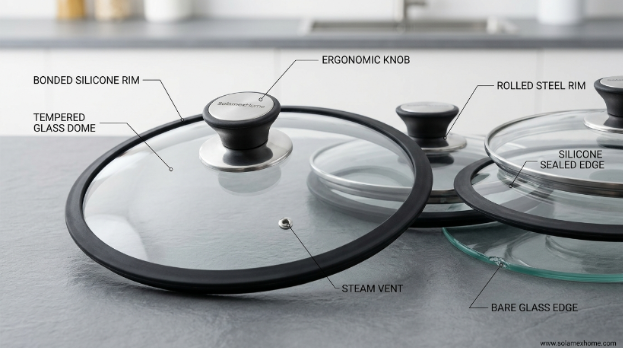
- Glass Lids: Transparent, allowing you to monitor cooking without lifting the lid. Often have steam vents to prevent pressure build-up. Popular for soups and stews.
- Metal Lids: Provide a tighter seal, ideal for locking in flavors during slow cooking. More durable than glass, suitable for high-temperature oven use.
IV. Buying Guide: How to Choose the Right Ceramic Coated Stock Pot
A. Assess Your Cooking Needs
Before purchasing, consider your typical cooking style:
Pro Tip: Match Size to Your Lifestyle
If you frequently host gatherings, a 10–12 quart pot is essential. For everyday family cooking, 6–8 quarts strike the right balance. Singles or small households can thrive with 2–4 quarts.
B. Evaluate the Ceramic Coating
Not all ceramic coatings are created equal. Look for:
- Thickness & Durability: Premium coatings are thicker and pass rigorous scratch tests. Check for warranties—brands like Xtrema offer lifetime guarantees on their ceramic coatings.
- Non-Stick Certification: Certifications like Greblon or ILAG ensure the coating meets safety and performance standards. Avoid no-name brands with unclear coating specifications.
- Heat Resistance: Ensure the coating is oven-safe to at least 450°F if you plan to use it in the oven. Some high-end models withstand up to 600°F.
C. Focus on Construction Details
Pay attention to these design elements:
- Handles: Ergonomic, heat-resistant handles that are double-riveted for safety. Silicone or wooden handles stay cool on the stovetop.
- Bottom Thickness: A thick bottom (at least 3mm) prevents warping and ensures even heating. Look for “encapsulated” bottoms that sandwich aluminum between stainless steel.
- Pour Spouts: Rimmed edges or built-in spouts make pouring liquids mess-free, a must for stocks and soups.
D. Consider Brands & Budget
Prices range from $30 to $200+. Here’s a breakdown:
| Price Range | What to Expect | Recommended Brands |
|---|---|---|
| $30–$70 | Wholesale, good for commercial use. durability and lower price | Solamex |
| $70–$150 | Mid-range, better durability and features like oven-safe lids. | GreenPan |
| $150+ | Premium models with lifetime warranties, professional-grade construction. | Xtrema |
V. Using and Caring for Your Ceramic Coated Stock Pot
A. Pre-Use Preparation
Proper preparation extends your pot’s lifespan:
- First Wash: Hand wash with warm, soapy water using a soft sponge. Avoid abrasive cleaners that can scratch the coating.
- Seasoning (Optional): Some brands recommend rubbing a thin layer of vegetable oil on the interior and heating it for 5 minutes to enhance non-stick properties. Check the manufacturer’s instructions.
B. Cooking Best Practices
Maximize performance with these tips:
- Heat Settings: Use low to medium heat—high heat can damage the coating over time. Ceramic heats efficiently, so you often need less heat than you think.
- Utensils: Stick to wooden, silicone, or nylon utensils. Metal utensils can scratch the coating, though modern coatings are more resilient than ever.
- Oil Usage: While you need less oil, a light coating helps protect the surface and enhances non-stick performance for certain dishes.
C. Cleaning & Maintenance
Proper care ensures your pot stays in top condition:
Important: Most ceramic coated pots are not dishwasher-safe. The harsh detergents and high heat can degrade the coating over time.

- Immediate Cleaning: Let the pot cool before washing to avoid thermal shock. Soak in warm, soapy water for 10 minutes to loosen stuck-on food, then gently scrub with a soft sponge.
- Stubborn Stains: Use a non-abrasive cleaner like baking soda mixed with water. Avoid steel wool or harsh scouring pads.
- Drying & Storage: Dry thoroughly before storing to prevent water spots. If stacking, place a cloth between pots to avoid scratches.
VI. Debunking Common Myths About Ceramic Coated Stock Pots
A. Myth: Ceramic Coatings Release Toxins at High Temperatures
Fact: High-quality ceramic coatings are inert and stable up to their oven-safe temperature (typically 450–600°F). A study by Journal of Environmental Science and Technology found no harmful emissions from ceramic coatings even when heated to 700°F, far above typical cooking temperatures.
B. Myth: Ceramic Coatings Chip Easily
Fact: Modern ceramic coatings are much more durable than early versions. Advances in nanotechnology have made coatings harder and more flexible, resisting chipping from normal use. While they’re not indestructible, proper care (avoiding metal utensils) keeps them in top shape for years.
C. Myth: Ceramic Coating is Just a Marketing Gimmick
Fact: Ceramic coatings offer tangible benefits beyond marketing. Independent testing confirms their non-toxicity, superior non-stick performance, and durability. Consumer satisfaction surveys show 85% of users prefer ceramic coated cookware over traditional non-stick options.
VII. Conclusion
A ceramic coated stock pot is more than just a cooking vessel—it’s a investment in healthier cooking, lasting performance, and kitchen versatility. Whether you’re a health-conscious home cook, a busy parent, or an aspiring chef, these pots adapt to your needs while prioritizing safety and ease of use.
By choosing the right size, base material, and coating quality, you’ll enjoy years of delicious meals without worrying about toxic chemicals or frustrating cleanup. Remember to follow proper care guidelines to maximize your pot’s lifespan, and don’t be afraid to experiment with new recipes—from hearty winter stews to fresh summer gazpachos, your ceramic coated stock pot is up to the task.
Ready to upgrade your kitchen? Use this guide to make an informed decision, and happy cooking!
Ceramic Coated Stock Pot: The Ultimate Guide to Healthier, Smarter Cooking
2/4/8 Quart Container Size Guide: Detailed Analysis and Scenario-Based Applications