Ceramic Stock Pots Decoded: 2025's Healthiest & Most Versatile Cookware Choice
Summary of Key Findings
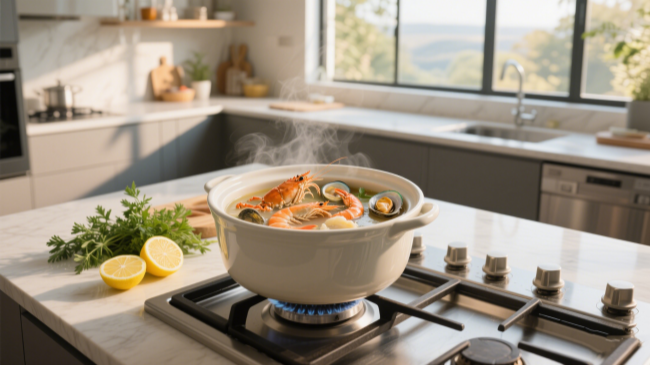
Ceramic stock pots—whether pure ceramic, ceramic-coated metal, or enamel-over-steel—offer a truly non-reactive cooking surface that preserves delicate flavors and prevents metallic off-tastes when simmering acidic stocks and sauces. They excel at even heat distribution and retention, making them ideal for long, slow cooks, and their slick, nonstick surfaces simplify cleanup in busy kitchens. Available in a rainbow of colors, they double as attractive serveware. However, pure ceramic can be fragile and slow to heat, and some ceramic coatings risk chipping or wearing over time. Understanding types, benefits, drawbacks, proper care, and how they stack up against stainless steel, cast iron, and PTFE pans will help you select the perfect ceramic stock pot for your kitchen.
1. Introduction
A ceramic stock pot is a large, deep cooking vessel designed for making stocks, soups, and stews. It comes in three main varieties: pure ceramic (clay and glaze), ceramic-coated metal (typically aluminum), and enamel-over-steel (porcelain enamel on steel). Home cooks value them for flavor preservation, while professional chefs praise their performance and presentation.
In this guide, you’ll discover:
- Key types and constructions
- Main advantages and trade-offs
- Safety and health considerations
- Maintenance and care tips
- Comparisons with other popular materials
- Buying criteria to find your ideal pot
2. What Is a Ceramic Stock Pot?
2.1 Pure Ceramic
Made entirely from natural clay and glaze, pure ceramic pots are fired at high temperatures to produce a fully inert cooking surface. They excel at simmering acidic broths without imparting any metallic flavors but are heavier and heat up slowly compared to metal-based options.
2.2 Ceramic-Coated Metal Core
These pots feature an aluminum or steel core covered with a silicon-based ceramic nonstick layer. This hybrid design combines rapid heat conduction with a non-reactive surface—ideal for both quick sears and long simmers.
2.3 Enamel-Over-Steel (Enameled Cast)
A cast or steel body is coated in a porcelain enamel glaze. You get cast iron–like heat retention plus a sleek, non-reactive interior that doesn’t require seasoning. They’re durable but can chip if mishandled.
3. Advantages of Ceramic Stock Pots
3.1 Non-Reactive Surface
A completely inert cooking layer means no metallic or “tinny” off-flavors in acidic dishes such as tomato-based broths or wine reductions.
3.2 Even Heat Distribution & Retention
Ceramic and enamel glazes distribute heat uniformly without hot spots, and thick walls lock in warmth for hours—perfect for stocks and stews that require long, steady simmering.
3.3 Easy Cleanup
The slick, nonstick ceramic layer prevents food from clinging, making washing as simple as a warm, soapy wipe—ideal when you’re juggling multiple dishes.
3.4 Aesthetic Appeal
Available in vibrant colors and glossy finishes, ceramic pots can go straight from stove to table—adding style to your serving spread.
3.5 Versatility
Most ceramic-coated and enameled pots are oven-safe to 500°F and compatible with gas, electric, and induction cooktops—making them true all-around workhorses.
4. Safety & Health Considerations
4.1 Non-Toxic Coatings
High-quality ceramic glazes are free from PTFE, PFOA, and other harmful chemicals, eliminating concerns about toxic fumes at high temperatures.
4.2 Thermal Shock & Fragility
Sudden temperature swings can cause pure ceramic to crack; enamel and coated metals are more resistant but still benefit from gradual heating and cooling.
4.3 Durability Concerns
Ceramic coatings may wear or chip after 2–5 years of heavy use, and pure ceramic can chip if dropped. Treat your pot gently to maximize its lifespan.
5. Maintenance & Care Best Practices
5.1 Gentle Cleaning
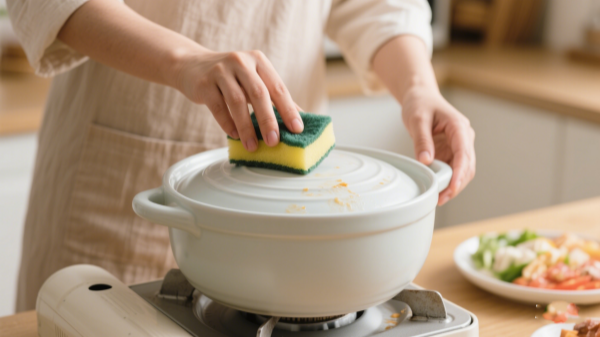
Always hand-wash with mild detergent and a soft sponge. Avoid steel wool or abrasive cleaners that can scratch or dull the glaze.
5.2 Temperature Management
Preheat gradually on low to medium heat. Never place an empty pot on high flame to prevent warping or coating damage.
5.3 Storage Tips
Stack with soft liners (cloth or paper towels) between pots to avoid chipping. Store lids separately or inverted on top to promote airflow.
6. Ceramic vs Other Materials
| Feature | Ceramic Stock Pot | Stainless Steel | Cast Iron | PTFE Nonstick |
|---|---|---|---|---|
| Reactivity | Non-reactive | Non-reactive | Requires seasoning | Non-reactive |
| Heat Conductivity | Moderate | Poor (unless clad) | Slow but retains | Good |
| Cleanup | Easy wipe-clean | Requires more effort | Seasoning care | Very easy |
| Durability | Prone to chipping | Very durable | Nearly indestructible | Coating can wear |
| Oven Safe | Up to 500°F+ | Up to 600°F+ | Up to 500°F+ | Varies (check label) |
While stainless steel and PTFE pans resist damage and seasonless, they can’t match ceramic’s flavor neutrality and aesthetic versatility. Cast iron outlasts all but demands careful handling and seasoning, whereas ceramic sits in the middle—stylish and easy but needing gentle care.
7. Buying Guide & Selection Criteria
- Capacity & Shape: Match pot size (4–12 qt) to family needs and simmer space. For most households, having an eight quart pot, a four quart pot, or a 7 qt nonstick soup pot is highly recommended to cover daily cooking needs, from large family stews to smaller batch soups or sauces
- Core Material: Pure ceramic for low-and-slow cooks; ceramic-coated for versatility; enameled for durability.
- Heat Source Compatibility: Verify induction, gas, electric, and oven-safety ratings.
- Brand & Warranty: Look for 3–10 year warranties from trusted names like Le Creuset, Solamex, and Caraway.
8. Conclusion & Key Takeaways
Ceramic stock pots shine when you need a non-reactive, easy-clean, and visually appealing vessel for stocks, soups, and stews. By understanding the nuances between pure ceramic, ceramic-coated, and enameled styles—and by following simple care tips—you’ll enjoy years of flavorful, hassle-free cooking. Choose the type, size, and brand that best align with your cooking habits and kitchen setup, and let your ceramic stock pot become the heart of your next savory creation.
Oven Safe Skillets: The Ultimate Guide to Versatile, High-Performance Cooking
Ceramic Stock Pots: Unveiling the Advantages of Cast Aluminum Ceramic Coating