Complete Guide to Frying Pan Sizes: Choose the Perfect Pan for Your Kitchen
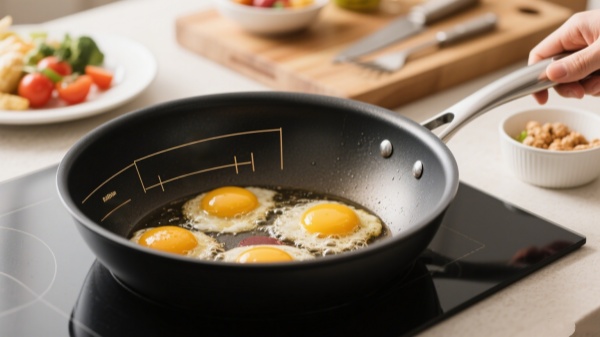
The difference between restaurant-quality results and mediocre home cooking often comes down to using the right frying pan size. Most home cooks unknowingly sabotage their meals by using oversized pans that spread food too thin or cramming ingredients into undersized pans that prevent proper browning.
How Frying Pan Sizes Are Actually Measured
Frying pans are measured by their rim-to-rim diameter at the top, not the actual cooking surface. This means your "10-inch" pan typically offers only 7-8 inches of usable cooking space where food actually touches the pan bottom.
Quick Measurement Tip
To find your pan's true cooking capacity, flip it upside down and measure across the bottom—that's your actual cooking surface.
Complete Frying Pan Size Comparison
| Pan Size | Cooking Surface | Serves | Best For | Weight Range |
|---|---|---|---|---|
| 6-inch | 4-4.5 inches | 1 person | Single egg, melting butter, small portions | 1-2 lbs |
| 8-inch | 6-6.5 inches | 1-2 people | Omelets, single protein, small vegetables | 2-3 lbs |
| 10-inch | 7-8 inches | 2-3 people | Most versatile, general cooking | 3-4 lbs |
| 12-inch | 9-10 inches | 4-6 people | Family meals, stir-fries, batch cooking | 4-6 lbs |
Matching Pan Size to Cooking Tasks
The 60-70% Rule
Professional chefs follow a simple principle: your food should cover 60-70% of the pan's cooking surface. This ensures proper heat distribution and prevents overcrowding or spreading food too thin.
Protein Guidelines
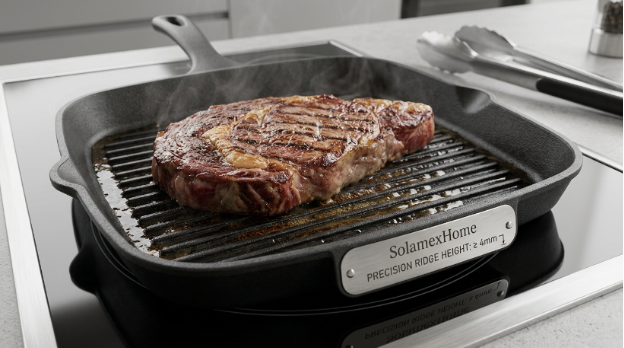
For individual proteins (chicken breast, fish fillet, steak), use an 8-10 inch pan. For multiple proteins, use a 12-inch pan or cook in batches to avoid overcrowding.
Stovetop Compatibility
Your pan should match your burner size for optimal heating. A pan significantly larger than the burner creates cold spots, while oversized pans on small burners heat unevenly.
Optimal pairing: 8-inch pan on 6-inch burner, 10-inch pan on 8-inch burner, 12-inch pan on 10+ inch burner.
Strategic Pan Collection Building
Single Pan Start
Choose a 10-inch pan. Handles 80% of home cooking tasks and works for both small and medium portions.
Two-Pan Foundation
8-inch + 10-inch combination covers individual portions through family meals efficiently.
Complete Collection
8, 10, and 12-inch trio handles everything from single servings to large family gatherings.
Small Kitchen
Stick with 8-inch and 10-inch that nest together for space-efficient storage.
Common Sizing Mistakes to Avoid
The "Bigger is Better" Trap
Large pans use more energy, require more oil, and make temperature control difficult on home stovetops. Choose the smallest pan that comfortably fits your food.
Ignoring Your Cooking Patterns
Buy based on your actual cooking habits, not aspirational ones. If you rarely cook for more than two people, that 12-inch pan will likely collect dust.
Energy Efficiency
A 12-inch pan uses 40% more energy than an 8-inch pan to reach the same temperature. Right-sizing saves energy and improves cooking control.
Material Considerations by Size
Non-stick: Smaller sizes (8-inch and under) maintain coating longer due to less thermal stress.
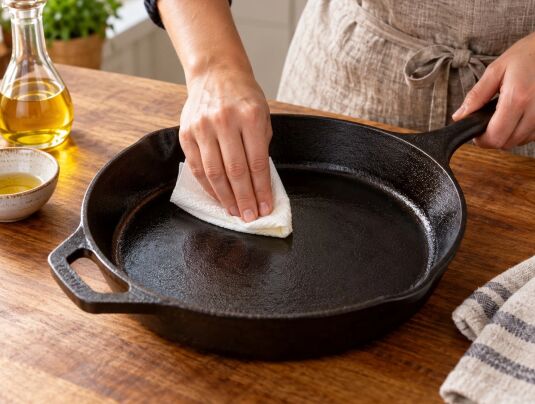
Cast Iron: 10-inch provides optimal balance of heat retention and manageable weight for most home cooks.
Stainless Steel: Performs consistently across all sizes, though larger pans require longer preheating.

Frequently Asked Questions
Final Recommendations
The right frying pan size depends on your specific cooking needs, not generic rules. Start with a quality 10-inch pan if you're unsure—it handles most home cooking tasks effectively.
Build your collection gradually based on actual usage patterns rather than complete sets. Focus on quality over quantity, investing in fewer, better-made pans that will serve you for years.
Whether you're searing a single steak in an 8-inch pan or preparing a family feast in a 12-inch workhorse, the right size transforms ordinary ingredients into extraordinary meals. Choose thoughtfully, cook confidently, and let proper pan sizing elevate your culinary results.
Are Aluminum Pans Safe? What Science, Regulators and Chefs Say
Your Pan's Too Small? Understanding Frying Pan Sizes from 8 to 14 Inches