Cooking Pots For Gas Stoves: Materials, Performance, And Buyer Checklist
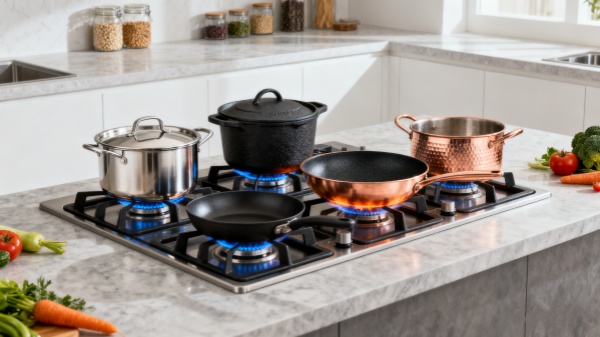
Practical, testable guidance for picking pots that stand up to open flame, distribute heat evenly, and last longer on gas ranges.
Why Gas Stoves Need Specific Pots
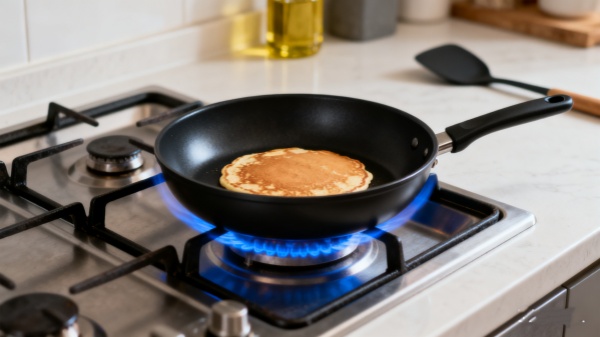
Gas burners deliver heat as an open flame that contacts the pot at several small points and around the base perimeter. That creates rapid temperature rises, lateral (edge-to-center) heating patterns, and frequent temperature changes when you move a pan between burners or adjust the flame. Those dynamics increase the risk of warping, hot spots, and uneven cooking when using thin or poorly engineered cookware.
Best Materials For Gas Stoves And Why
Below are concise verdicts plus pros and cons for each material.
| Material | Verdict For Gas | Pros | Cons |
|---|---|---|---|
| Cast Iron (Including Enameled) | Excellent for steady, even low-to-medium heat and long cooks | Huge heat retention, tolerates high flames, durable | Heavy; raw cast iron reactive with acid unless enameled; slow to heat |
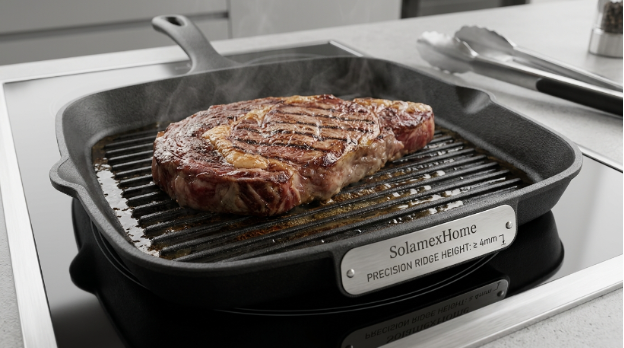
| Carbon Steel | Great for high-heat searing and quick temperature changes | Lighter than cast iron, forms natural seasoning, fast response | Needs seasoning/proper care; can rust if neglected |
| Clad (Multi-Ply) Stainless Steel | Best all-rounder for even heating on domestic gas | Good heat distribution with aluminum/copper core; durable, non-reactive surface | Quality varies by ply thickness; cheaper thin clad still warps |
| Anodized Aluminum / Heavy-Gauge Aluminum (like Cast Aluminum) | Good conductor if heavy gauge; avoid thin cheap pans | Excellent conduction; lightweight | Thin bases warp on strong flame; nonstick coatings degrade on high heat |

Authoritative buying guides and testing programs consistently recommend heavy bases or multi-ply designs for gas stoves because they resist warping and reduce hot spots.
Pot Design Features To Watch For
Material matters, but so does how a pot is built. Look for:
- Thick, flat base: reduces immediate warping and improves burner contact.
- Encapsulated base / multi-ply construction: aluminum or copper cores bonded into the base for even conduction.
- Handle construction: welded or long, rivet-free handles that stay cooler and avoid wobble.
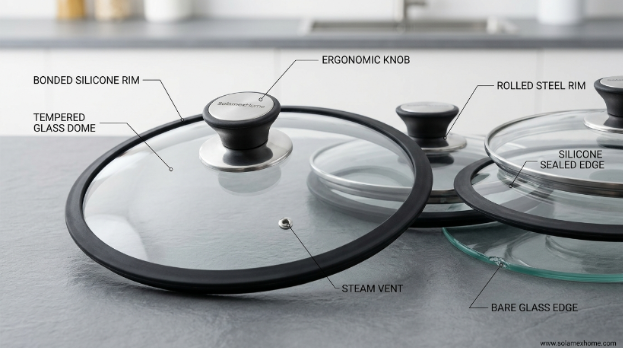
- Good lid fit: a close-fitting lid preserves steam and stabilizes interior temperature.
Size Guidance: Which Pot For Which Task On A Gas Stove
Match the pot diameter and capacity to the task and burner size to keep flame contact optimal.
| Task | Recommended Size | Material Suggestion |
|---|---|---|
| Sauces / Simmering | 1–2 Quarts saucepot (16–18 cm) | Clad stainless or heavy aluminum |
| Family Soups / Stocks | 4–6 quarts stockpot (24–28 cm) | Clad stainless, heavy gauge aluminum |
| Searing / Saute | 24–30 cm sauté pan or skillet | Carbon steel or thick-base stainless |
| Braising / Roasting | 4 quarts–6 quarts Dutch oven | Enameled cast iron or heavy steel |
Cooking Performance: Heat Distribution, Hot Spots, And How To Test At Home
Before you trust a pot for a recipe or commercial line, run these simple checks at home.
1) Water Heat Test (Evenness)
- Fill the pot with 1 L of room-temperature water and mark the start time.
- Set flame to medium and start a stopwatch; record the time to reach a gentle boil.
- Move a digital kitchen probe to center and then edge — note any °C/°F differences after 2 minutes.
Small temperature spread (< 5 °C) after circulation indicates good conduction.
2) Warp / Flatness Check
Place the pot on a known-flat glass surface; roll a slim feeler (or use a credit card) under the base rim to detect gaps. More than a finger width of separation or visible wobble means the base may not seat on small burners; return or avoid high-precision tasks with such pots.
Maintenance And Care For Gas-Stove Pots
- Cast & Carbon Steel: season and dry immediately; avoid soaking; re-oil after cleaning.
- Clad Stainless: use warm soapy water for everyday cleaning; remove discoloration with a paste of baking soda + water.
- Avoid thermal shock: don’t pour cold water into a red-hot pan — that stresses the base and can warp or crack enamel.
- Nonstick: avoid continuous high flame; if you must use, match pan to medium or low heat to preserve coating life.
Safety And Durability Considerations For High Flame Use
On commercial-grade or very large burners, tips change: handles get hot, enamel may crack under extreme localized heat, and thin-gauge pans will warp faster. If you cook on high flame often, favor thicker bases and cookware rated for high oven temperatures (the higher the max temp, the more robust the construction typically is).
Buying Checklist For Gas Stove Pots (Quick Pro Checklist)
- Material and core: cast, carbon steel, or multi-ply clad.
- Base thickness or # of plies: find numeric values in specs (e.g., 3-ply, 5-ply, thickness in mm).
- Flat base diameter: match to your most used burner size.
- Handle attachment: welded or long rivets; good clearance from flame.
- Lid fit: close fit reduces fuel use and temperature swings.
- Warranty & supplier spec sheet: request a spec sheet on cookware bulk/B2B buys.
- Maintenance requirements: is seasoning required? is the item dishwasher-safe?
If you are buying for a B2B or restaurant environment, add: lead times, MOQ, available finish options (polish vs. matte), and certification or metal gauges in the spec sheet.
Top Picks (Examples By Use Case)
Below are illustrative examples (use your SKU/spec sheet or measured values in production pages to replace placeholders).
Carbon Steel Skillet — 12" pre-seasoned. Fast heat, light, responsive for high-flame searing.
Enameled Cast Iron Dutch Oven — 5 L. Excellent heat retention for long stews and braises.
3-ply Clad Stainless 3 L Saucepot — versatile, oven-safe, even heat.
Replace these sketch picks with your actual SKUs and measured performance numbers to increase uniqueness and trust.
FAQ
What Is The Best Material For Pots On A Gas Stove?
For most home cooks: cast iron for heat retention, carbon steel for high-heat searing, and multi-ply clad stainless for even, everyday performance.
Can I Use Any Pot On A Gas Stove?
Technically yes, but thin, cheap single-layer pans commonly warp and produce hot spots; choose heavier bases or multi-ply construction for predictable results.
Why Do Pots Warp On Gas Stoves?
Warping is mainly caused by rapid, uneven heating and thermal stress — when the rim and center expand at different rates. Thicker, better-engineered bases resist this effect.
How Do I Prevent Hot Spots On A Gas Stove?
Use pot sizes that match your burner, favor multi-ply or thicker bases, and preheat gradually rather than blasting the flame to maximum instantly.
Are Enamel Pots Safe On High Flame?
Enameled cast iron handles high heat well, but sudden extreme localized flame on thin enamel edges can risk chipping; follow manufacturer flame recommendations and avoid direct high-edge flame.
How To Test If A Pot Is Right For Gas Stove?
Do the water heat test and a simple warp check described above — and record times/ΔT for objective comparison.

Solamex — Wholesale Pots and Pans Expertise
Solamex offers wholesale pots and pans, combining durable materials, precise craftsmanship, and flexible product customization. From premium stainless steel to advanced nonstick lines, our catalog is built for both retail distribution and demanding commercial kitchens — ensuring consistency in performance and presentation.
Your Gas Stove's Best Friend: Choosing the Right Cooking Pots
Is Caraway Cookware Truly Non-Toxic? Into Its Safety, Materials, and User Concerns