Cooking with Aluminum Cookware Demystified: Smart Choices for Safety, Efficiency & Flavor
Table of Contents
Introduction
Aluminum cookware has long been a cornerstone in kitchens worldwide, celebrated for its exceptional heat conductivity, lightweight design, and affordability. Whether you're a professional chef crafting gourmet dishes or a home cook preparing family meals, understanding the nuances of aluminum cookware—from raw aluminum to advanced ceramic coatings—can transform your culinary experience. This guide explores the different types of aluminum cookware, their health implications, maintenance tips, and how they stack up against other materials like stainless steel and cast iron.
Why Aluminum? Popularity and Advantages
Aluminum has earned its place in kitchens for several compelling reasons:
- Excellent Heat Conductivity: Aluminum Cookware heats up quickly and distributes heat evenly, making it ideal for precise temperature control during frying, sautéing, or simmering. This responsiveness allows chefs to react swiftly to changes in cooking demands, ensuring perfectly seared steaks or evenly cooked vegetables every time.
- Lightweight and Cost-Effective: Compared to materials like cast iron or copper, aluminum is significantly lighter, reducing arm fatigue during long cooking sessions. It also offers comparable performance at a fraction of the cost, making it a practical choice for both budget-conscious home cooks and professional kitchens.
- Versatility Across Price Points: Aluminum cookware spans a wide range, from affordable raw aluminum pans for basic cooking to high-end clad cookware sets with premium finishes. This versatility means there’s an aluminum option for every cooking style and budget.
While aluminum’s core properties are impressive, the way it’s treated—through processes like anodization or coating—greatly impacts its performance, durability, and safety.
Types of Aluminum Cookware: Raw, Anodized, and Coated
1. Raw (Mill-Finish) Aluminum
Raw aluminum cookware is untreated, retaining its natural metallic surface. Here’s what you need to know:
- Pros: Extremely lightweight and budget-friendly, raw aluminum offers excellent heat conductivity, making it suitable for high-heat tasks like stir-frying. Its simplicity appeals to those seeking basic, functional cookware.
- Cons: The porous surface is reactive with acidic or alkaline foods (think tomatoes, citrus, or vinegar), which can leach aluminum into dishes and affect flavor. It’s also prone to scratches, oxidation, and discoloration, limiting its lifespan without careful maintenance.
2. Anodized Aluminum
Anodized aluminum undergoes an electrochemical process that hardens its surface, creating a durable oxide layer. This treatment elevates its performance significantly:
- Process: By passing an electric current through the aluminum in an electrolyte bath, a dense, non-porous oxide layer forms, up to 10 times harder than the base metal (source: Best Hard-Anodized Aluminum Cookware (Prudent Reviews)).
- Benefits:
- Scratch Resistance: Resists abrasion from utensils, making it ideal for daily use.
- Non-Reactive: The oxide layer prevents interactions with acidic foods, ensuring no metallic taste in your dishes.
- Longevity: With proper care, anodized cookware can last 8–10 years, outlasting raw aluminum (source: Non Stick vs. Hard Anodized Cookware (Made In)).
3. Coated Aluminum (Ceramic Nonstick)
Ceramic-coated cast aluminum combines the heat-conductive benefits of aluminum with a safe, nonstick surface. Here’s why it’s a popular choice:

- Construction: A core of aluminum is layered with a ceramic-based coating, typically made from natural minerals like silica and clay.
- Key Advantages:
- Health-Conscious Design: Free from PTFE (Teflon) and PFOA, ceramic coatings are a greener alternative, eliminating concerns about toxic fume release at high temperatures (source: Ceramic-Coated Cookware and Its Benefits (Good Maison)).
- Superior Nonstick Performance: The smooth surface requires minimal oil, making it perfect for delicate foods like eggs or fish, while ensuring easy cleanup.
- Aesthetic Appeal: Available in sleek, colorful finishes, ceramic-coated pans add style to any kitchen.
- Limitations:
- Coating Lifespan: Heavy use or abrasive cleaning can degrade the coating in 2–5 years.
- Care Requirements: Requires gentle utensils (wooden or silicone) and hand-washing to preserve the nonstick surface.
Quick Comparison: Raw vs Anodized vs Ceramic
| Type | Heat Conductivity | Nonstick Performance | Durability | Food Reactivity | Cleaning Difficulty | Safety |
|---|---|---|---|---|---|---|
| Raw | Excellent | Poor | Low | High (reactive with acids) | High (prone to staining) | Moderate |
| Anodized | Excellent | Moderate (natural nonstick) | High | Low (non-reactive) | Moderate (easy to clean) | High |
| Ceramic-Coated | Excellent | High (superior nonstick) | Medium-High | None (non-reactive) | Low (easy to wipe clean) | Very High |
Solamex: Your Wholesale Partner for Premium Cookware
For businesses seeking reliable bulk solutions, Solamex stands out as a leading wholesale supplier of aluminum cookware, offering a diverse range of high-quality products designed for commercial and retail use. Their extensive catalog includes not only raw, anodized, and ceramic-coated aluminum cookware but also stainless steel and cast iron options, all available in bulk quantities. From 8-quart stockpots and 4-quart skillets to 30cm non-stick wok pans, Solamex provides retailers and hospitality chains with versatile, durable kitchenware that balances performance and affordability.
Health & Safety Considerations
Concerns about aluminum leaching into food have lingered, but scientific research and regulatory guidance provide clarity on its safety:
1. Leaching & Reactivity
Uncoated raw aluminum can leach small amounts of aluminum into acidic or salty foods, especially when heated for long periods. However, studies show these levels remain well below the World Health Organization’s safe intake limits (source: What Cookware Is 100% Non-Toxic?). Anodized and ceramic-coated cookware significantly reduce leaching due to their protective layers, making them safer choices for everyday use.
2. Scientific Findings
Early studies linking aluminum exposure to Alzheimer’s disease have been widely discredited, as no conclusive evidence of a causal relationship exists. Modern research focuses on moderate aluminum intake from food and cookware, concluding that anodized and ceramic-coated options pose negligible health risks when used as directed.
3. Regulatory Guidance
Leading health authorities worldwide endorse treated aluminum cookware as safe:
- The FDA (Letter to Retailers and Distributors of Cookware) confirms that aluminum migration from cookware is within safe limits for human consumption.
- The EFSA (Safety of Aluminium from Dietary Intake) states that anodized and coated aluminum does not pose a risk under normal use conditions.
With safety established, proper maintenance becomes key to maximizing your cookware’s performance and lifespan.
Maintenance & Care Best Practices
Follow these tips to keep your aluminum cookware in top condition:
1. Cleaning Guidelines
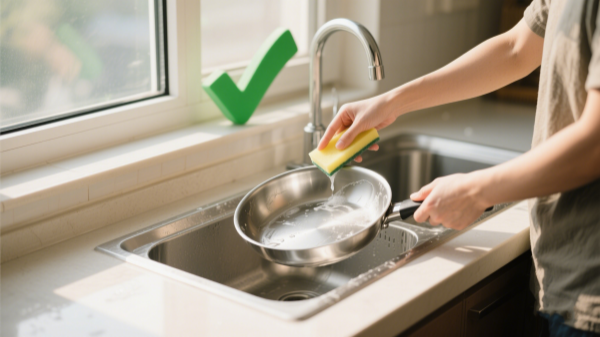
- Always hand-wash with mild dish soap and a soft sponge or cloth. Avoid dishwashers, as the harsh detergents and high heat can damage coatings and accelerate oxidation in raw aluminum.
- For stubborn stains on anodized or ceramic-coated pans, use a non-abrasive scrub pad. Never use steel wool or metal scrapers, which can scratch the surface.
2. Utensil and Heat Management
- Use wooden, silicone, or nylon utensils to protect nonstick coatings from scratches. Metal utensils can create micro-scratches that trap food and reduce nonstick performance.
- Never heat an empty pan, as this can damage coatings and cause warping. Preheat pans over medium heat and gradually increase temperature as needed.
3. Storage Tips
- Dry cookware thoroughly before storing to prevent water spots and oxidation, especially for raw aluminum.
- Stack pans with protective liners or paper towels to avoid scratches. Hang coated pans if possible to reduce pressure on the nonstick surface.
To truly master aluminum cookware, it’s essential to understand how it compares to other popular materials in your kitchen.
Aluminum vs Other Cookware Materials
1. Aluminum vs Stainless Steel
Two kitchen staples, but with distinct strengths:
| Feature | Aluminum | Stainless Steel |
|---|---|---|
| Heat Conductivity | Superior—heats quickly and evenly | Inferior—requires a copper or aluminum core for even heating |
| Weight | Lightweight (ideal for daily use) | Heavier (provides stability but can be cumbersome) |
| Reactivity | Raw aluminum reacts with acids; anodized/coated are non-reactive | Inert—safe for all foods, including highly acidic dishes |
| Price | Generally more affordable | Higher cost, especially for quality clad sets |
When to choose aluminum: For quick-cooking tasks like stir-frying or sautéing. When to choose stainless steel: For slow simmering, boiling, or dishes that require a non-reactive surface, like tomato-based sauces.
2. Aluminum vs Cast Iron
A battle of speed vs. endurance:
- Heat Responsiveness: Aluminum adjusts to temperature changes instantly, perfect for searing or frying where precision matters. Cast iron, on the other hand, takes longer to heat but retains heat exceptionally well, ideal for slow-cooked stews or oven-to-table dishes.
- Weight and Maintenance: Aluminum is lightweight and low-maintenance, while cast iron is heavy and requires regular seasoning to prevent rust.
- Nonstick Properties: Cast iron develops a natural nonstick surface over time, but aluminum (especially ceramic-coated) offers immediate nonstick performance with less effort.
3. Aluminum (Ceramic-Coated) vs PTFE Nonstick
Choosing between two nonstick options:
- Safety: Ceramic coatings are PFOA-free and release no harmful chemicals when overheated, unlike traditional PTFE pans which can emit toxic fumes at temperatures above 500°F (260°C).
- Durability: PTFE coatings tend to last longer with proper care, but ceramic coatings are more scratch-resistant and eco-friendly.
- Performance: Both offer excellent nonstick, but ceramic may require slightly more oil for high-heat cooking.
Armed with this knowledge, let’s explore how to select the right aluminum cookware for your needs.
Selecting & Using Aluminum Cookware
1. Match Pan to Task
- Raw Aluminum: Best for occasional high-heat tasks like grilling or camping, where affordability and weight are priorities. Avoid for acidic or delicate foods.
- Anodized Aluminum: The workhorse of the kitchen—ideal for everyday searing, roasting, and sauce-making. Its non-reactive surface makes it safe for most ingredients.
- Ceramic-Coated Aluminum: Perfect for nonstick convenience with health benefits. Use for eggs, fish, and recipes where minimal oil is desired; great for quick breakfasts and light meals.
2. Seasoning Tips (for Ceramic-Coated Pans)
While ceramic coatings are naturally nonstick, a light seasoning can enhance performance:
- Wash the pan with mild soap and dry thoroughly.
- Apply a thin layer of vegetable or coconut oil to the surface.
- Heat the pan over low heat for 5–10 minutes, then let it cool.
3. Handling Acidic Foods
Always use anodized or ceramic-coated pans for acidic dishes like lemon chicken or tomato soups. Raw aluminum should never be used for these, as prolonged contact can lead to metal leaching and altered flavors.
4. Budget vs. Longevity
Raw aluminum is the most affordable but requires frequent replacement due to reactivity and wear. Anodized and ceramic-coated options are higher investments but offer better safety, durability, and performance over time—making them smarter long-term choices for most kitchens.
Conclusion & Key Takeaways
Aluminum cookware’s enduring popularity stems from its unique blend of conductivity, affordability, and versatility. Whether you opt for the rugged durability of anodized aluminum, the eco-friendly nonstick of ceramic coatings, or the budget-friendly simplicity of raw aluminum, understanding each type’s strengths and limitations is key to safe and enjoyable cooking.
By choosing the right type of aluminum cookware and using it mindfully, you can harness its many benefits while ensuring a safe and efficient cooking experience. Whether you’re a novice or a seasoned chef, aluminum cookware has a place in every kitchen—adaptable, reliable, and ready to help you create delicious meals with ease.
Mastering Aluminium Wok Cooking: Safety, Techniques & Maintenance Guide
Cooking with Aluminum Cookware: Expert Tips for Safety, Efficiency & Sustainability