Die-Cast Aluminum Cookware Decoded: The Science of Lightweight Precision and Eco-Conscious Culinary Mastery

1. Introduction
Die‑cast aluminum cookware has become a mainstay in kitchens worldwide due to its remarkable balance of performance, durability, and value. From home enthusiasts seeking quick heat‑up times to professional chefs needing consistent searing power, die‑cast aluminum meets a wide range of culinary demands. In this guide, we’ll dive into the science behind its manufacture, compare it with other materials, and offer practical tips on selection, care, and more—all backed by current industry insights.
2. What Is Die‑Cast Aluminum Cookware?
2.1 Die‑Casting Process
The die‑casting process involves forcing molten aluminum at high pressure into precisely engineered steel molds (dies), resulting in seamless cookware with uniform wall and base thickness—typically 6–9 mm for optimal heat retention.
This method eliminates weak spots from welding or stamping, delivering pans that resist warping under high heat and distribute temperature evenly across the cooking surface.
2.2 Material Characteristics
Manufacturers use food‑grade aluminum alloys prized for being lightweight and corrosion‑resistant—up to 70% lighter than cast iron counterparts—while maintaining dimensional stability during repeated heating cycles.
Surface treatments further enhance performance:
- Anodized Aluminum: An electrochemical process thickens the naturally occurring oxide layer, yielding a hard, scratch‑resistant, and non‑reactive surface.
- Non‑Stick Coatings: Modern PTFE (Teflon) or ceramic finishes are now universally PFOA‑free, typically rated safe up to 500 °F (260 °C) for PTFE and even higher for ceramic variants.
3. Core Benefits & Features
3.1 Heat Performance
With a thermal conductivity around 235 W/m·K, aluminum transfers heat more than 16× faster than stainless steel, resulting in rapid, uniform heating and minimal hotspots—ideal for searing and sautéing.
Aluminum’s fast cool‑down also gives precise temperature control, a must for delicate sauces and reductions.
3.2 Weight & Handling
Die‑cast pans are significantly lighter than cast iron—e.g., a 10″ skillet weighs about 1.5 lbs—reducing wrist strain during handling.
Ergonomic handles, often made of bakelite or silicone‑coated steel, remain cool and offer a secure grip even under stovetop heat.
3.3 Durability & Non‑Stick Coatings
Thick walls (≥4 mm) prevent warping and extend lifespan compared to stamped aluminum variants.
High‑quality ceramic coatings (e.g., Carote’s granite finish) resist scratches, while PTFE surfaces require only gentle utensils to maintain non‑stick properties.
3.4 Sustainability
Aluminum is 100% recyclable; recycling uses up to 95% less energy than producing virgin metal, aligning with circular economy goals.
Faster heating also translates to lower energy consumption compared to heavier materials like cast iron or stainless steel.
4. Die‑Cast vs. Other Cookware Materials
| Material | Heat Conductivity | Weight | Durability |
|---|---|---|---|
| Stamped Aluminum | Lower (100–150 W/m·K) | Very Light | Prone to warping |
| Die‑Cast Aluminum | High (235 W/m·K) | Light | Warp‑resistant |
| Cast Iron | Moderate (~80 W/m·K) | Heavy | Extreme heat retention, prone to rust |
| Stainless Steel | Low (~16 W/m·K) | Medium | Highly durable, poor heat spread |
| Anodized Aluminum | High | Light | Scratch‑resistant, non‑reactive |
5. Buying Guide
5.1 Pan Thickness
6–9 mm bases are ideal for balanced heat retention; thinner pans (4–5 mm) excel at gentle tasks like simmering.
5.2 Coating Selection
- Anodized: Best for acidic foods and safe with metal utensils.
- PTFE: Budget‑friendly non‑stick; avoid overheating above 500 °F.
- Ceramic: Durable, non‑toxic, but typically more expensive.
5.3 Cooktop Compatibility
Look for magnetic stainless steel or multi‑layered bases for induction stovetops.
Verify handle materials for oven safety—bakelite handles often rated up to 400 °F.
5.4 Brand & Warranty
Top brands include SEB, Alluflon, Ballarini (Italy), and Solamex (ceramic specialists).
Premium labels like Scanpan offer warranties over 10 years; budget lines (e.g., Amazon Basics) may cover 2–5 years.
5.5 Price & Value
Entry‑level sets range $50–$100, while professional-grade individual pieces can cost $200–$500.
For retailers and hotel chains sourcing cookware in bulk, Solamex offers a robust die‑cast aluminum line covering frying pans, pots, sauté pans and more, with over 100 SKUs readily available for bulk procurement. Solamex’s ISO 9001‑certified processes and dedicated R&D team allow for custom branding and strict quality control, keeping brand consistency intact across hospitality environments.
6. Care & Maintenance
Always hand‑wash with mild detergent and a soft sponge; dishwashers can degrade non‑stick surfaces.
Use wooden, silicone, or nylon utensils to avoid scratching; anodized surfaces tolerate metal better than PTFE.
Stack pans with protective liners or hang them to prevent abrasion and warping.
7. Cooking Tips & Recipe Inspirations
Searing with Precision
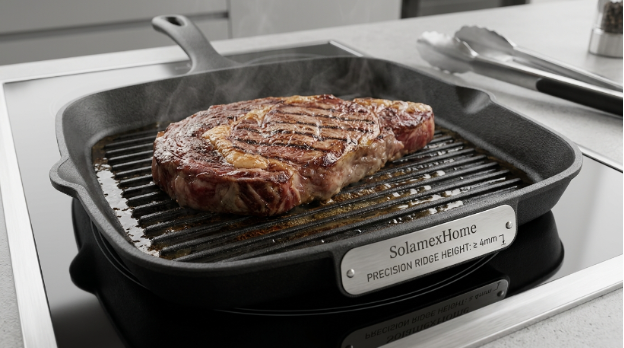
Die‑cast aluminum’s rapid, even heating makes it perfect for searing. Preheat your pan over medium–high until oil shimmers, then add your protein—whether a thick-cut steak or a salmon fillet—and let it form a crisp crust without moving it for at least 2–3 minutes. The pan’s precise temperature control ensures you get an even, golden sear every time.
Sautéing & Stir‑Frying
The lightweight build and heat responsiveness of die‑cast aluminum excel at quick‑fire techniques. For sautéing, heat a thin film of oil until it ripples, then add vegetables or small pieces of meat. Keep ingredients moving with a gentle toss—your pan will cool and reheat faster than cast iron, preventing burning and ensuring crisp-tender results in under 5 minutes.
For authentic stir‑fries, preheat the pan on high, add oil, aromatics (garlic, ginger), then proteins and vegetables in batches. The pan’s warp‑resistant base stays flat, so ingredients cook evenly without hot spots.
One‑Pan Recipe Ideas
Take advantage of the pan’s oven‑safe handles (up to 400 °F) by starting on the stovetop and finishing in the oven for depth of flavor:
- Pan‑Roasted Herb Chicken: Brown seasoned chicken thighs in the skillet, then transfer straight to a 375 °F oven with lemon slices and fresh thyme for 20 minutes.
- Sheet‑Pan Breakfast Hash: Sauté diced potatoes, bell peppers, and onions on medium heat—then crack eggs over the top and slide the whole pan under the broiler until whites set.
- Skillet Chocolate Chip Cookie: Mix dough directly in the pan (using its even heat), press evenly, and bake at 350 °F for 15 minutes for a gooey, golden‑browned treat.
8. Environmental & Health Considerations
While aluminum leaching into acidic foods can occur (2.9–35 mg/kg), PFOA‑free coatings and anodized surfaces minimize metal transfer.
Avoid overheating PTFE above 500 °F to prevent degradation and harmful fumes.
Opt for brands using recycled aluminum content and eco‑friendly processes to reduce your carbon footprint.
9. Frequently Asked Questions
Is die‑cast aluminum cookware induction‑compatible?
Yes—if equipped with a magnetic base or multi‑layered construction. Test with a magnet to be sure.
What temperatures are safe?
PTFE: up to 500 °F; Ceramic: up to 600 °F; Anodized: up to 700 °F.
Can I use it in the oven?
Most die‑cast pans are oven‑safe; verify handle temperature rating in manufacturer specs.
How to remove stains or discoloration?
Soak in warm soapy water or use a baking soda paste on stubborn residue.
10. Conclusion
In summary, die‑cast aluminum cookware delivers a winning combination of fast, even heating, light weight, and long‑term durability. By selecting quality materials, safe coatings, and reputable brands—and following proper care practices—you’ll enjoy efficient, eco‑friendly, and healthy cooking for years to come.
How to Choose the Right Size for Pots and Skillets: A Comprehensive Guide
Die-Cast Aluminum Cookware: The Ultimate Guide to Performance, Durability, and Sustainable Cooking