Die-Cast Aluminum Cookware: Safety, Performance & Buying Guide
Die-cast aluminum cookware has surged in popularity among home cooks and professional chefs alike. Its promise of fast, even heat distribution and lightweight handling makes it a compelling choice in modern kitchens. But before you invest, let’s start by defining exactly what this material is.
1. What Is Die-Cast Aluminum Cookware?
At its core, die-cast aluminum cookware is made by injecting molten aluminum into a precision mold. Once cooled, the resulting pan is thicker and more uniform than stamped or forged counterparts.
- Stamped Aluminum: Thin sheets pressed into shape; lighter but less even heat.
- Forged Aluminum: Hammered or extruded; offers flexibility but less mass.
With this foundation, let’s explore the manufacturing steps that give die-cast cookware its unique edge.
2. Manufacturing Process Unveiled
The die-casting procedure involves:
- Melting a specific aluminum alloy blend at around 660 °C.
- Injecting the molten metal into a steel mold under high pressure.
- Cooling, ejection, and precise surface finishing.
During finishing, modern pans receive PTFE-free ceramic or mineral-rich coatings that outperform older Teflon treatments in both safety and durability.

3. Core Advantages
Once fabricated, die-cast aluminum pans deliver:
- Even Heat Distribution: Thick walls conduct heat uniformly across the cooking surface.
- Lightweight Handling: Up to 50% lighter than cast iron, making flips and pours effortless.
- Cost Efficiency: High-volume production lowers unit cost, offering great value.
While these benefits are compelling, the foremost question remains: is it truly safe?
4. Safety: Is Die-Cast Aluminum Cookware Safe?
Aluminum Core Stability
After high-temperature molding, the aluminum core is chemically inert for typical cooking applications. There’s minimal risk of aluminum leaching when the pan is intact and properly coated.
PTFE-Free Coatings
Many leading brands now offer PTFE-free ceramic and mineral coatings. These alternatives:
- Withstand temperatures up to 450 °C without degradation.
- Contain no fluoropolymers, eliminating concerns about PFOA or PTFE breakdown.
- Offer excellent scratch resistance and easy food release.
Regulatory Endorsements
The U.S. FDA and European EFSA have both evaluated nonstick ceramics and mineral coatings, confirming their safety for food contact at standard cooking temperatures.
Having established safety, let’s turn to practical usage considerations.
5. Usage Considerations & Potential Risks
- Coating Integrity: Avoid dry heating and metal utensils to prevent scratches.
- Acidic Foods: Prolonged contact with highly acidic or alkaline ingredients can affect finish.
- Cleaning Method: Always hand-wash with a soft brush; skip the dishwasher and harsh scouring pads.
Next, we’ll compare die-cast aluminum against popular alternatives to see where it truly shines.
6. Material Comparison
Die-Cast vs. Forged Aluminum
Die-cast offers thickness and heat retention; forged is lighter and quicker to warm.
Die-Cast Aluminum vs. Cast Iron
Aluminum heats faster and cools quickly; cast iron excels at steady heat retention but is much heavier.

Die-Cast Aluminum vs. Stainless Steel
Aluminum conducts heat far better; stainless steel wins for scratch resistance and searing capability.
With these comparisons in mind, you’ll know exactly what features to prioritize.
7. Buying Guide: Choosing the Right Die-Cast Pan
- PTFE-Free Coating: Look for ceramic or mineral finishes explicitly labeled “PTFE-free.”
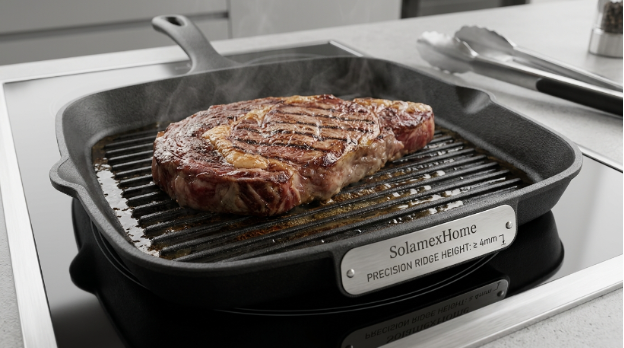
- Wall Thickness: Aim for at least 4 mm for even heat and warp resistance.
- Handle Design: Ergonomic shape, securely riveted or bolted.
- Brand & Warranty: Select brands offering ≥2 years warranty and clear certification of PTFE-free coatings.
Once you’ve selected a top-quality pan, proper care will keep it performing like new.
8. Cleaning & Maintenance Tips
- Wash with warm water and mild detergent using a soft brush.
- For stubborn spots, apply a baking soda paste and gently scrub.
- Rinse thoroughly, dry completely, and store with pan protectors or liners to avoid scratches.
Finally, let’s address your most pressing questions directly.
9. FAQ
What is die-cast aluminum cookware?
It’s cookware formed by high‑pressure injection of molten aluminum into molds, resulting in a thick, uniform body.
Is die-cast aluminum cookware safe?
Yes—when coated with PTFE-free ceramics or minerals, it meets safety standards and poses no health risk at normal cooking temperatures.
Why choose PTFE-free coatings?
They eliminate concerns over fluoropolymer breakdown and offer excellent nonstick performance without chemical risk.
Can you use metal utensils on die-cast aluminum pans?
To prolong coating life, opt for silicone, nylon, or wooden utensils instead of metal.
How do I clean and maintain die-cast aluminum cookware?
Hand-wash with warm water and mild detergent; use a soft brush or cloth. Treat tough stains with a baking soda paste.
10. Conclusion & Call to Action
Die-cast aluminum cookware offers an unbeatable combination of even heating, lightweight handling, and modern PTFE-free coatings for total peace of mind. Ready to upgrade your kitchen? Share your experiences in the comments below, and explore our Buying Guide to find the perfect pan for your cooking style.
What Size Frying Pan Do You Need? A Complete Breakdown of Sizes & Uses
Die Cast Aluminum Cookware: The Home Cook's Handbook – From Prep to Purchase