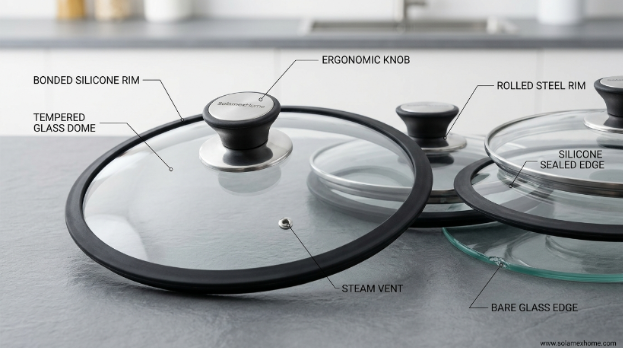
Die Cast Aluminum Cookware: Ultimate Guide to Benefits, Care & Top Brands
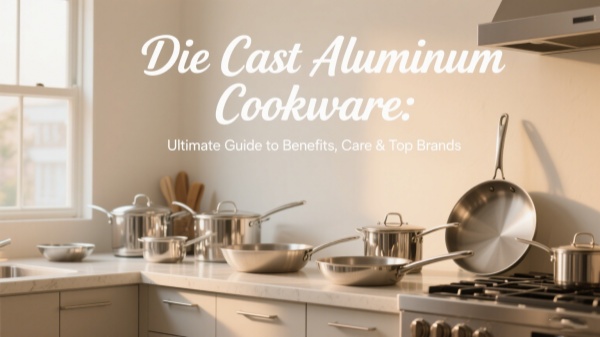
Die cast aluminum cookware heats 40% faster than stainless steel and is 30% lighter than cast iron, making it ideal for quick, even cooking.
Discover why professional chefs choose die cast aluminum, how to care for it, and which brands offer the best value and performance.
What is Die Cast Aluminum Cookware?
Die cast aluminum cookware is created by forcing molten aluminum into steel molds under high pressure. This manufacturing process results in:
- Seamless construction with no joints or weak points
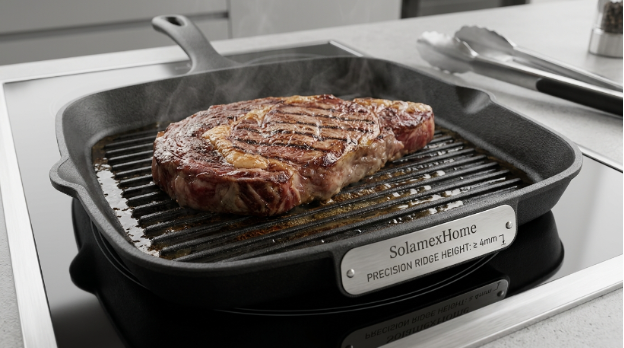
- Thicker walls (typically 2.5-4mm) compared to traditional aluminum cookware
- Precision shapes that ensure perfect heat distribution
Die Cast Aluminum vs. Other Materials
| Feature | Die Cast Aluminum | Stainless Steel | Cast Iron |
|---|---|---|---|
| Heat Conductivity | Excellent (heats quickly and evenly) | Poor (requires copper/aluminum core) | Good (retains heat well) |
| Weight | Lightweight | Medium | Very Heavy |
| Reactivity | Non-reactive with coatings | Non-reactive | Reactive with acidic foods |
| Maintenance | Easy (dishwasher safe) | Easy | High maintenance |
| Price Range | $ - $$ | $$ - $$$ | $ - $$$ |
5 Key Benefits of Die Cast Aluminum Cookware
Superior Heat Distribution
Die cast aluminum spreads heat 40% more evenly than traditional cookware. This means no hot spots when searing meats or sautéing vegetables. The thick base ensures consistent temperature across the entire cooking surface.
Lightweight Yet Durable
Despite its strength, die cast aluminum is surprisingly lightweight. A 10-inch skillet weighs just 3.5 lbs compared to 7+ lbs for cast iron. The seamless construction prevents warping even at high temperatures.
Cost-Effective Performance
Offering professional-grade performance at consumer prices, die cast aluminum provides the best value in cookware. Expect 10+ years of daily use with proper care.
Oven-Safe Versatility
Most die cast aluminum cookware is oven-safe up to 260°C (500°F), allowing seamless transitions from stovetop to oven. Perfect for finishing dishes or keeping food warm.
Non-Reactive Cooking Surface
With proper coatings (ceramic, non-stick, or anodized), die cast aluminum won't react with acidic foods like tomatoes or citrus, preserving flavors and preventing metallic tastes.
How to Choose the Perfect Set
Select Your Coating Type
- Ceramic: Non-toxic, eco-friendly, and scratch-resistant (ideal for health-conscious cooks)
- PTFE Non-Stick: Most durable non-stick surface (perfect for eggs and delicate foods)
- Hard-Anodized: Most durable option, twice as hard as stainless steel
Check Critical Specifications
- Base thickness: Minimum 3mm for even heating
- Handle construction: Riveted handles with heat-resistant materials
- Certifications: Look for PFOA-free, FDA-approved materials
Top Brand Comparison
Care & Maintenance Guide
Initial Preparation
Before first use, wash with warm soapy water and season with a thin layer of oil for non-ceramic surfaces.
Daily Cleaning
Use soft sponges and mild detergents. Avoid abrasive cleaners that can damage coatings.
Stain Removal
For stubborn stains, mix equal parts water and vinegar, bring to simmer, then clean as usual.
Long-Term Storage
Place paper towels between stacked pans to prevent scratching. Store in a dry place to prevent oxidation.
Frequently Asked Questions
Yes, when properly coated. Modern die cast aluminum cookware uses PFOA-free non-stick coatings or ceramic surfaces that prevent aluminum from leaching into food. The WHO has confirmed that aluminum cookware poses no significant health risks when used correctly.
Standard die cast aluminum won't work on induction, but many brands now offer induction-compatible versions with magnetic stainless steel bases. Look for "induction-ready" specifications when purchasing.
With proper care, expect 5-10 years of regular use. The aluminum base itself can last decades, but non-stick coatings typically wear out sooner. Ceramic-coated options tend to have longer-lasting surfaces.
Die Cast Aluminum Cookware Complete Guide: Benefits, Care & Best Brands
2 vs 4 vs 8 Quart Pots: Capacity, Uses & Buying Guide