Is Cast Aluminum Cookware Safe? Performance, Sustainability, and Modern Kitchen Use Explaine
Introduction: The Resurgence of Cast Aluminum in Modern Cooking
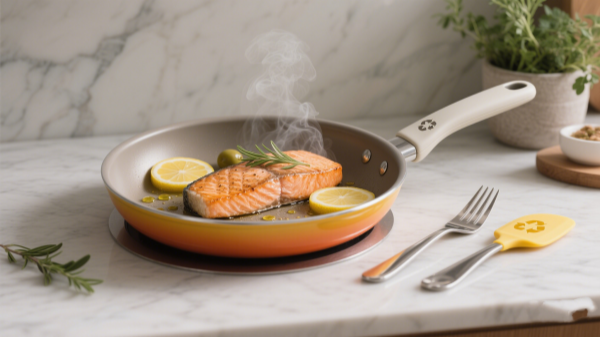
Cast aluminum cookware has quietly become a kitchen staple, blending industrial durability with modern design. Its lightweight yet robust nature, coupled with exceptional heat conductivity, makes it a favorite among home cooks and professional chefs alike. In 2025, the global aluminum cookware market is projected to grow at a 6.53% CAGR from 2025–2032, driven by sustainability trends and demand for versatile kitchen tools [1].
This article explores why cast aluminum is redefining modern cooking, from its material science to real-world applications. We’ll address health concerns, compare it to other materials, and highlight innovations that position it as a sustainable and high-performance choice.
Core Properties of Cast Aluminum Cookware
Material Science and Heat Conductivity
Cast aluminum is formed by pouring molten aluminum into molds, creating a dense, uniform structure. Alloys like 3003/3004 aluminum enhance durability, while its thermal conductivity (205 W/m·K) outperforms stainless steel (16 W/m·K) and rivals copper, ensuring even heat distribution for perfect searing and sautéing [2].
Key Advantages
- Lightweight & Maneuverable: 50% lighter than cast iron, ideal for daily use and one-handed cooking [3].
- Non-Stick Coatings: PTFE, ceramic, and anodized finishes offer easy cleaning and reduced oil use. PFOA-free options dominate the market, addressing health-conscious consumers [4].
- Cost-Effective: Affordable compared to stainless steel or copper, making it accessible for budget-conscious buyers.
Limitations
Health and Safety about Cast Aluminum Cookware: Debunking Myths and Misconceptions
Aluminum Leaching and FDA Warnings
Is cast aluminum safe? The FDA has raised concerns about lead in certain aluminum alloys (e.g., Hindalium) used in imported cookware. Tests revealed lead levels exceeding 100 ppm in some products, prompting import bans on specific manufacturers [7]. To stay safe, choose certified, lead-free cast aluminum and avoid prolonged use with acidic foods.
Aluminum and Alzheimer’s Disease
While early studies linked aluminum to Alzheimer’s, recent research (e.g., WHO analysis) concludes no conclusive evidence supports this claim. Aluminum intake from cookware is minimal and well below the 50 mg/day safety threshold [8]. Modern coatings further reduce leaching risks.
Coating Safety
- PTFE/PFOA: Avoid overheating (keep below 500°F) to prevent toxic fume release.
- Anodized Aluminum: Harder than stainless steel and non-reactive, ideal for acidic dishes [9].
- Ceramic Coatings: Ceramic-coated cast aluminum offers a non-toxic, eco-friendly alternative, free of PTFE and PFOA. These coatings are derived from natural minerals, making them ideal for health-conscious cooks. They provide excellent scratch resistance, even heat distribution, and effortless food release—perfect for delicate dishes like fish or eggs. Ceramic coatings also tolerate moderate high heat (up to 600°F) and are non-reactive, ensuring no metallic flavors leach into food. Easy to clean and durable, they’re a top choice for sustainable, safe cooking.

For businesses seeking reliable wholesale cast aluminum cookware, Solamex specializes in wholesale solutions of cookware that prioritize safety and quality. Our products(like Frying Pans & Skillets, Dutch Oven & Stockpots, Sauté Pans and so on) feature certified lead-free alloys and non-toxic coatings (ceramic, anodized), meeting strict FDA and EU standards. Beyond cast aluminum, we offer a wide range of cookware materials—ideal for both home and commercial use.
Custom & Wholesale Options: We welcome OEM/ODM partnerships, allowing tailored designs and bulk orders to suit your needs. Trust Solamex for durable, compliant cookware that combines safety with performance.
Cast Aluminum vs. Other Cookware Materials: A Comparative Analysis
| Material | Pros | Cons | Best For |
|---|---|---|---|
| Cast Aluminum | Lightweight, fast heating, affordable, non-stick options | Reactivity with acid, not induction-ready (unless hybrid) | Searing, sautéing, everyday cooking |
| Cast Iron | Excellent heat retention, seasoning benefits, induction-compatible | Heavy, rust-prone, acidic food limitations | Slow cooking, baking, high-heat tasks |
| Stainless Steel | Durable, corrosion-resistant, induction-friendly | Poor heat distribution, higher cost | High-heat cooking, sauces |
| Ceramic/Titanium | Eco-friendly, scratch-resistant, non-toxic | Higher cost, limited heat retention | Low-fat cooking, health-conscious users |
Conclusion: Cast aluminum strikes a balance between speed, cost, and versatility, making it a versatile choice for most kitchens.
Sustainability and Innovation in Cast Aluminum Production
Environmental Impact
Aluminum is 95% recyclable, requiring only 5% of the energy needed to produce virgin aluminum. Brands like Hydro use renewable energy (hydropower, wind) to produce Reduxa, a low-carbon aluminum with a 4.0 kg CO2/kg footprint—just a quarter of the global average [10].
Technological Advances
- Anodization: Enhanced durability and eco-friendliness through hard-anodized finishes.
- Digital Twins: AI-driven simulations optimize production, reducing waste by 20% in some factories [11].
Practical Use and Maintenance Tips
Cooking Techniques
- Searing & Sautéing: Ideal for quick, high-heat dishes due to rapid heat-up.
- Avoiding Pitfalls: Use wooden utensils to protect non-stick coatings; avoid thermal shock (e.g., sudden temperature changes) [12].
Care Routine
- Cleaning: Hand-wash with mild soap; avoid abrasive pads.
- Seasoning: For uncoated pans, apply food-grade mineral oil to prevent oxidation [13].
Troubleshooting
- Scratches: Repair minor damage with mineral oil; replace heavily worn pans.
- Warping: Avoid extreme temperature changes and use even heat distribution [14].
Case Studies: Cast Aluminum in Professional and Home Kitchens
Commercial Applications
Chef Richard Rupp praises cast aluminum for its durability in high-volume kitchens, while camping enthusiasts favor lightweight designs for portable cooking [15].
Home Use
- User Testimonials: Versatile for searing steaks, baking bread, and even table-to-kitchen aesthetics (e.g., NeoFlamm Midas’ detachable handles and vibrant colors) [16].
- DIY Sustainability: Repurpose old pans as planters or garden decor, reducing waste.
Future Trends and Industry Outlook
Market Growth
The cast aluminum cookware market is projected to reach $10.49 billion by 2032, driven by home cooking trends and sustainability demands [17].
Innovations
- Smart Cookware: Integration of temperature sensors for precision cooking (e.g., MOVA’s AI-driven grills) .
- Eco-Friendly Coatings: Biodegradable alternatives to PTFE, such as ceramic and mineral-reinforced finishes [18].
Challenges
- Regulatory Compliance: Navigating FDA and EU standards on material safety.
- Competition: Rising demand for ceramic and titanium alternatives [19].
Conclusion: Why Cast Aluminum Remains a Kitchen Staple
Cast aluminum cookware embodies the perfect blend of performance, affordability, and sustainability. Its rapid heat-up, lightweight design, and eco-friendly production make it a versatile choice for modern kitchens. While health concerns and material limitations exist, certified products and mindful usage address these effectively.
Final Recommendation: Invest in high-quality, induction-compatible cast aluminum cookware for everyday cooking, and explore its innovative applications—from smart technology to DIY sustainability projects.
Appendices (Optional)
Glossary
- Anodization: A surface treatment enhancing durability and corrosion resistance.
- PTFE: Polytetrafluoroethylene, a non-stick coating material.
- Die Casting: A manufacturing process for shaping molten metal.
Buying Guide
- Look for induction-compatible bases, PFOA-free coatings, and eco-certifications (e.g., ISO 14064 for low-carbon products).
References
- Fortune Business Insights. (2025). Aluminum Cookware Market Size, Share & Industry Analysis.
- Elyshine Cookware. (2023). The Composition and Process of Cast Aluminum Cookware Sets.
- Hydro. (2024). Reduxa Low-Carbon Aluminum.
- Finishing.com. (n.d.). Cast Aluminum Cookware: Is It Dangerous?
- Healthfully. (2018). Poisons From Aluminum Cookware.
- Prolean Tech. (2025). Aluminum vs Cast Aluminum: An In-depth Comparison.
- FDA. (2025). Lead in Imported Aluminum Cookware.
- ATSDR. (1999). Aluminum Toxicology Profile.
- Hunker. (n.d.). How to Clean Cast Aluminum Cookware.
- Sunrise Metal. (2023). Sustainability in Die Cast Aluminum Alloys.
- ResearchGate. (2020). Evaluation of Indigenous Technology for Cast Aluminium Cookware Production in Nigeria.
- KnowBend. (2023). How To Clean Cast Aluminum Cookware.
- Baker Tilly. (n.d.). Cookware Manufacturer Case Study.
- Global Growth Insights. (2025). Cast Aluminum Cookware Market Forecast.
- Emp Cast. (n.d.). Aluminum Die Casting in Automotive Industry.
- NeoFlamm. (2024). Midas Collection Product Details.
- Allied Market Research. (2023). Aluminum Casting Market Report.
- Roots Cast. (n.d.). The Future of Aluminium Die Casting.
- LIVESTRONG. (2020). Health Risks of Cooking in Aluminum.
Oven-Safe Pots & Pans: Your 2025 Guide to Effortless Stovetop-to-Oven Cooking
The Ultimate Guide to Griddle Cooking: Mastering Techniques, Maintenance, and Material Selection